🎉 Free Shipping on Orders Over $100 | ✨ New Arrivals Just Added


Genuine Leather vs Fake Leather NZ — The NZ Buyer’s Guide

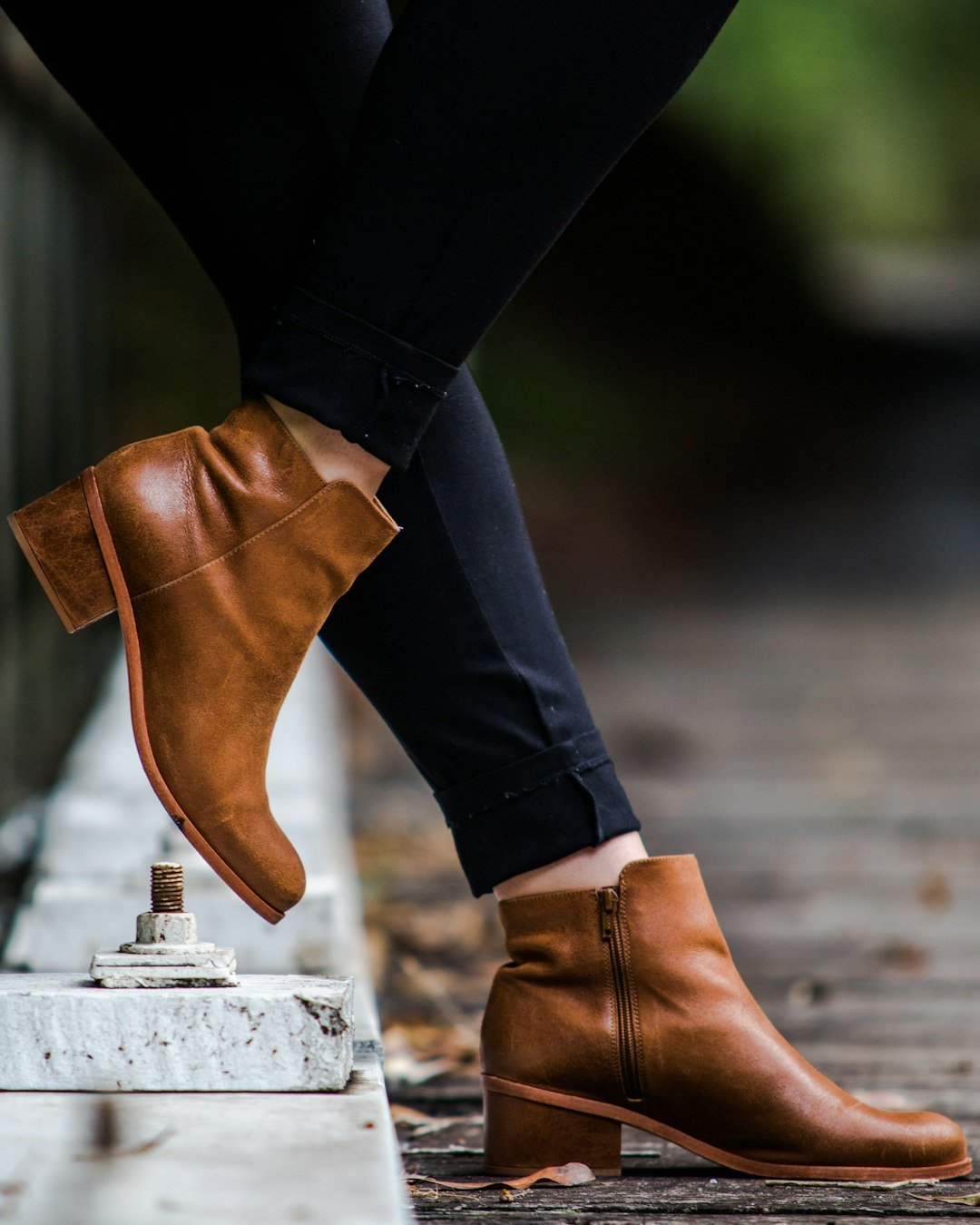
Walk into any shoe store or browse online in New Zealand and you’ll find products labelled “leather” at wildly different price points. A pair of boots for $49 and another for $349 — both claiming to be leather. So what’s the difference, and how do you know what you’re actually buying?
This guide ‘genuine leather vs fake leather NZ’ breaks down exactly how to tell genuine leather from fake leather, what the different grades of real leather mean, and why it matters for Kiwi buyers who want footwear and accessories that last.
First Up: What Is Genuine Leather?
Here’s where it gets confusing — and where many NZ shoppers get caught out. The term “genuine leather” sounds like the highest quality, but it’s actually one of the lowest grades of real leather.
Real leather comes in four main grades, from best to worst:
| Grade | What It Is | Quality | Lifespan |
|---|---|---|---|
| Full-Grain Leather | The entire hide, completely unaltered. Natural surface, marks and all. | Highest | Decades |
| Top-Grain Leather | The top layer of the hide, lightly sanded to remove imperfections. | High | 10–20 years |
| Genuine Leather | Lower layers of the hide bonded together. Heavily processed. | Medium–Low | 2–5 years |
| Bonded Leather | Leather scraps and fibres glued to a backing. Only 10–20% real leather. | Very Low | 1–3 years |
At UnityPureMax, our footwear and accessories are made from full-grain and top-grain leathers — including horsehide, cowhide, crocodile leather, lambskin, and vegetable-tanned leather. These are the grades that develop a beautiful patina over time and can last decades with proper care.
What Is Fake Leather?
Fake leather goes by many names in NZ stores and online — and manufacturers often use misleading language to make it sound more premium than it is. Watch out for these terms, all of which mean the product is not real leather:
- PU leather — polyurethane, the most common fake leather. Made from thermoplastic polymer.
- Vegan leather — a marketing term for synthetic leather, usually PU or PVC.
- Faux leather — French for “false leather.” Purely synthetic.
- Leatherette — a thin plastic-coated fabric designed to look like leather.
- Pleather — plastic leather. PVC or polyurethane-based.
- Synthetic leather — a broad catch-all term for any leather alternative.
- Bonded leather — the trickiest one, because it contains a small amount of real leather (10–20%) mixed with synthetic binders. Often peels and flakes within 1–2 years.
None of these are real leather. They won’t age the same way, can’t be reconditioned, and in most cases won’t last more than a few years before cracking, peeling, or breaking down entirely.
6 Ways to Spot Fake Leather — Before You Buy
Whether you’re shopping in-store in Auckland, Wellington, or Christchurch — or browsing online — these six tests will help you identify real leather from fake every time.
1. Read the Label
The fastest and most reliable method. By law, products must disclose their materials. Look for:
- Real leather labels: “Full-grain leather,” “Top-grain leather,” “Genuine leather,” “Cowhide,” “Horsehide,” “Lambskin,” or simply “Leather.”
- Fake leather labels: “PU,” “Polyurethane,” “Synthetic,” “Man-made material,” “Vegan leather,” “Faux leather,” or “Leatherette.”
If there’s no label at all — or the label is suspiciously vague — that’s a red flag. Quality leather products from brands like UnityPureMax always clearly state the leather type used.
2. The Touch Test
Run your hand across the surface and press down firmly:
- Real leather: Feels warm, slightly grainy, and soft. When you press down, it wrinkles and creases naturally — just like skin. It bounces back slowly.
- Fake leather: Feels cold, smooth, and plastic-like. It doesn’t crease or flex naturally when pressed. Higher-quality PU leather has improved significantly, but it still lacks the organic warmth of real leather.
This is especially useful when buying leather boots or leather shoes in person — just press the toe box or the upper firmly with your thumb.
3. The Smell Test
Genuine leather has a distinct, earthy, organic scent that’s hard to fake — literally. It’s one of the most reliable indicators of authenticity.
- Real leather: Rich, earthy, natural — the classic “leather smell.” Some describe it as woodsy or slightly musky.
- Fake leather: Smells like chemicals, plastic, or nothing at all. High-end PU leather is now often odourless, but it will never have that earthy leather scent.
This is why buying leather footwear in person, before purchasing online, is always a smart move if you’re unsure of a brand’s quality.
4. Check the Grain and Surface
Look closely at the surface texture under good light:
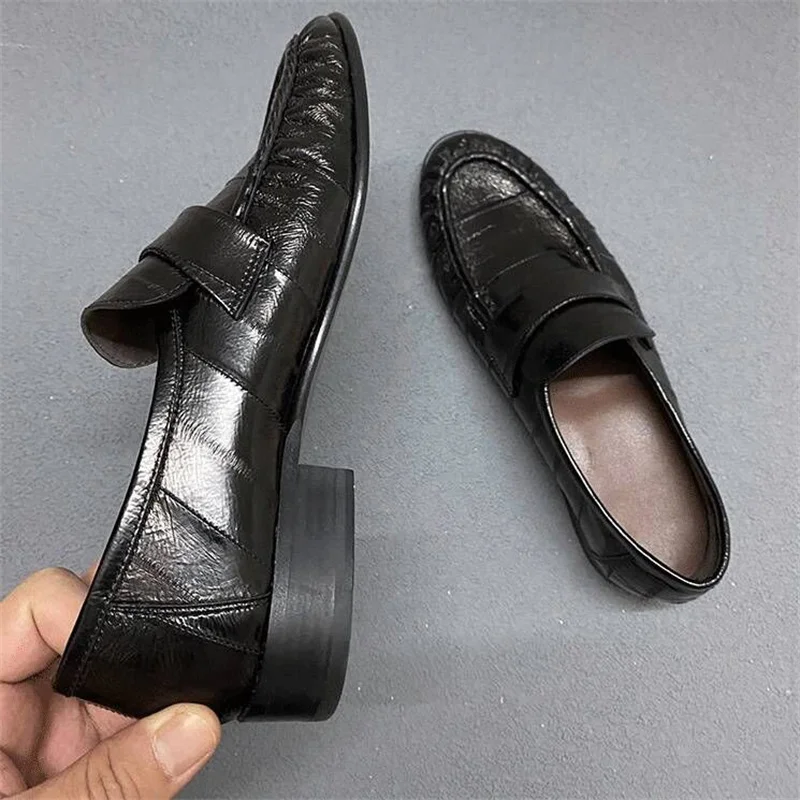
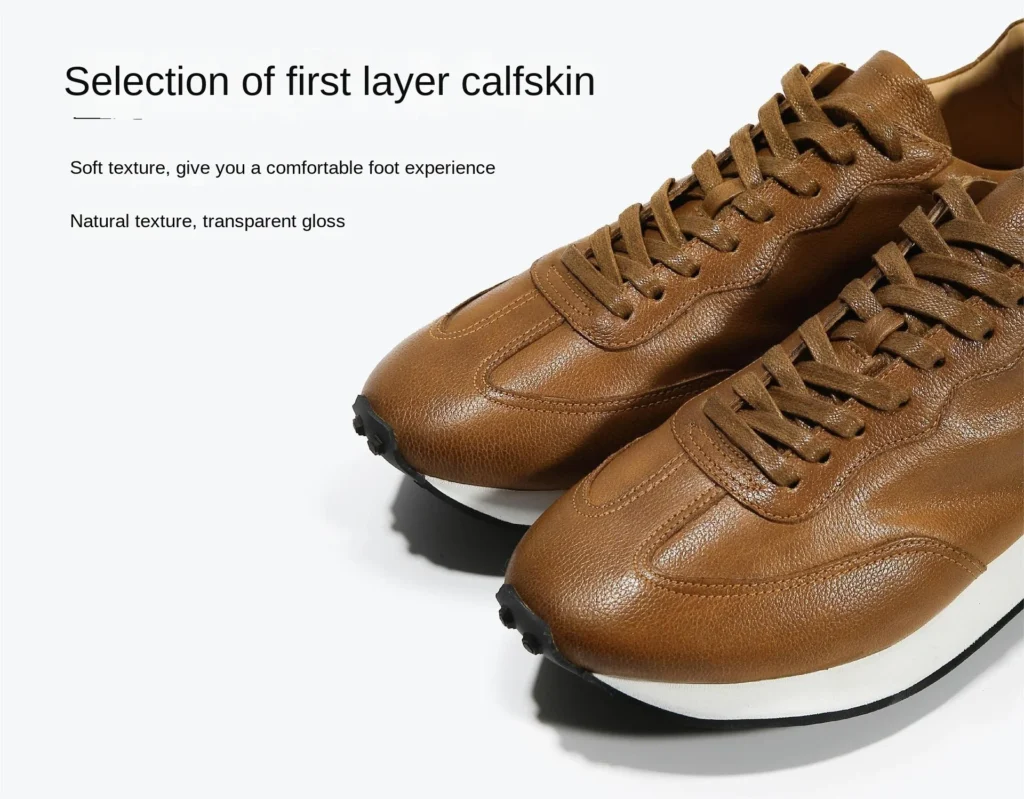
- Real leather: Has natural, slight irregularities in the grain. No two hides are exactly alike. You’ll see subtle variations, small pores, and natural markings — especially in full-grain leather.
- Fake leather: Has a perfectly uniform, repeating pattern. The “grain” is embossed or printed onto the surface and looks too consistent. Run your eye across the surface — if the pattern repeats perfectly, it’s synthetic.
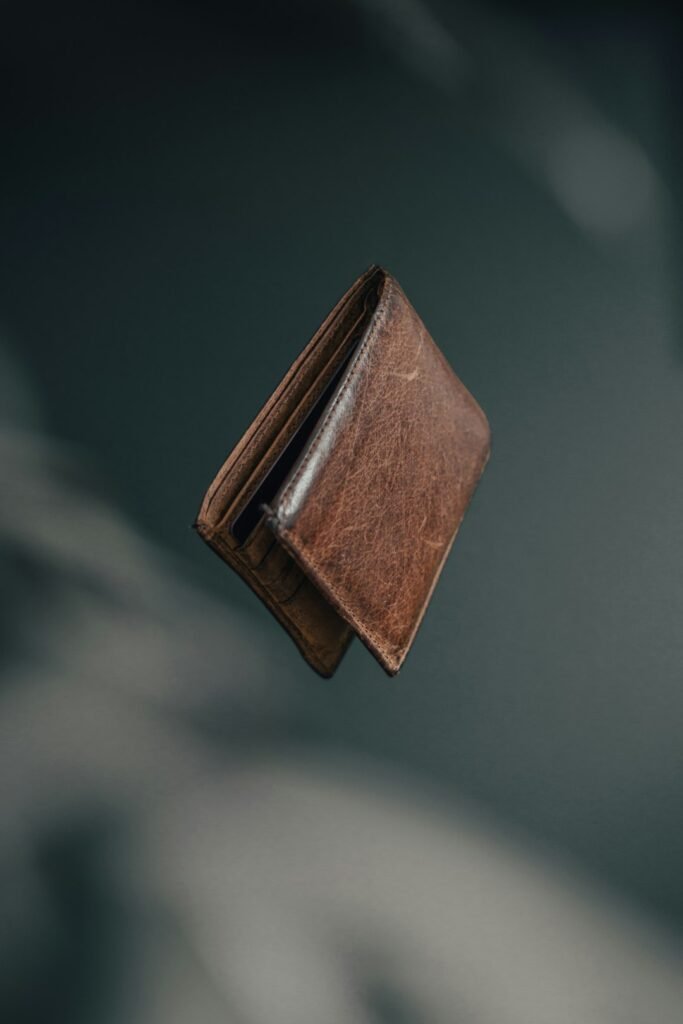
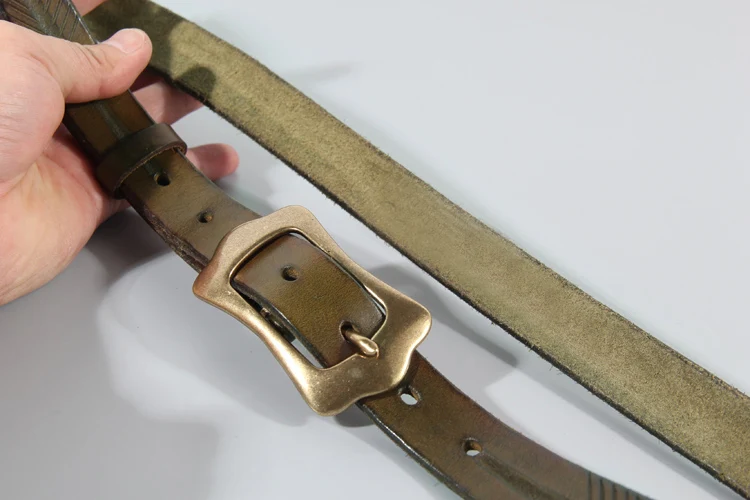
This is particularly useful when evaluating leather wallets and leather belts — the grain on genuine leather accessories should have subtle, natural variation.
5. The Water Drop Test
Place a small drop of water on an inconspicuous area:
- Real leather: Will slowly absorb the water and darken slightly in that spot (unless it’s been heavily waterproofed).
- Fake leather: Water beads up and rolls off immediately — it won’t absorb at all.
This is a particularly useful test for NZ buyers given our wet winters — real leather absorbs moisture, which is why waterproofing and care matters so much here.
6. Check the Edges and Backing
If you can see the back or edges of the material:
- Real leather: The backing has a suede-like, fibrous texture — visible natural fibres. Edges look slightly rough and uneven.
- Fake leather: The backing looks like fabric, foam, or a smooth synthetic material. Edges are perfectly clean and sealed — too neat to be natural.
Why Does It Matter for NZ Buyers?
New Zealand’s climate is tough on footwear. Wet winters, coastal salt air, and strong UV in summer all accelerate wear on any material — but especially on fake leather, which can’t be reconditioned or repaired.
Here’s the real cost comparison for Kiwi buyers:
| Fake Leather Boots ($49–$120) | Genuine Leather Boots ($200–$400) | |
|---|---|---|
| Lifespan | 1–3 years | 10–30+ years |
| Can be resoled? | No | Yes (multiple times) |
| Can be reconditioned? | No | Yes |
| Improves with age? | No — degrades and peels | Yes — develops rich patina |
| NZ winter performance | Poor — cracks in cold/damp | Good with proper waterproofing |
| 10-year cost | $490–$1,200 (replacing 4–10x) | $200–$400 (one pair + care) |
Genuine leather costs more upfront — but for Kiwis who want footwear that handles our climate and stands the test of time, it’s the smarter long-term investment.
What About “Vegan Leather” — Is It Better for the Environment?
This is a question we hear a lot in NZ. The honest answer is: it depends.
Most vegan leather (PU or PVC) is made from petrochemicals — plastics that don’t biodegrade and contribute to microplastic pollution when they break down. A pair of PU leather shoes that lasts 2 years and ends up in landfill has a significant environmental footprint.
Genuine leather, particularly vegetable-tanned leather (like that used in our Vegetable-Tanned Leather Riding Boots), is a natural by-product of the meat industry, tanned using plant-based processes, and biodegradable. A pair that lasts 20 years with resoling has a far lower per-wear environmental impact than cheap synthetic shoes replaced every 1–2 years.
New plant-based leathers (mushroom leather, cactus leather, apple leather) are emerging alternatives with a genuinely lower environmental footprint — but they’re still relatively rare, expensive, and not yet at the durability of full-grain leather.
How to Shop for Genuine Leather Online in NZ
Shopping for leather online requires extra care since you can’t touch, smell, or physically inspect the product. Here’s what to look for:
- Look for specific leather types — a trustworthy brand will name the exact leather used: “full-grain cowhide,” “horsehide,” “vegetable-tanned leather,” not just “leather” or “high-quality leather.”
- Check construction details — Goodyear welt construction, hand-stitching, and resolable soles are signs of genuine quality leather footwear.
- Look at the product photography — genuine leather has visible grain, natural variation, and subtle imperfections. If every product photo looks plasticky or too perfect, be cautious.
- Read reviews carefully — look for mentions of how the leather ages over time. Fake leather reviews often mention peeling, cracking, or flaking within the first year.
- Check the price against the market — if a pair of “leather boots” is $40–$60, they are almost certainly not genuine leather. Full-grain leather boots cost more to produce.
At UnityPureMax, every product listing clearly states the leather type — cowhide, horsehide, lambskin, crocodile leather, or vegetable-tanned leather — so you always know exactly what you’re buying.
UnityPureMax Leather Types — What We Use and Why
Here’s a quick guide to the genuine leathers used across our collection:
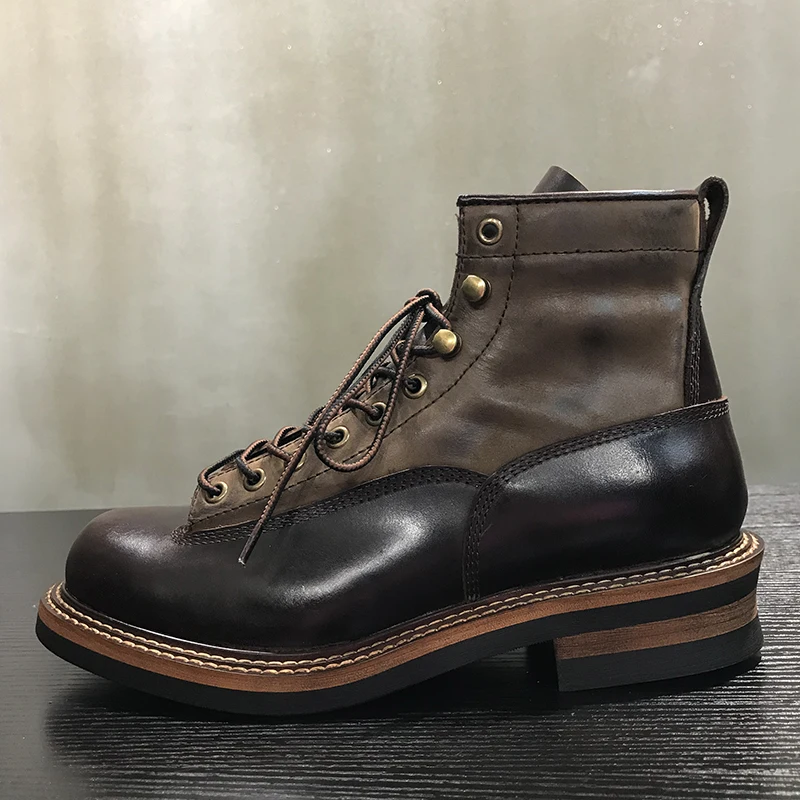
- Horsehide — denser and more durable than cowhide. Develops a distinctive patina over time. Used in our Goodyear Handmade Horse Leather Boots and Vintage Distressed Horsehide Sneakers.
- Full-grain cowhide — the most widely used premium leather. Tough, natural, ages beautifully. Found across our boots and men’s shoes collections.
- Vegetable-tanned leather — tanned using plant-based tannins. Firmer when new, moulds to your foot over time. Used in our Riding Boots.
- Crocodile leather — exotic, distinctive texture. Used in our Crocodile Leather Dress Boots and Crocodile Leather Oxford Shoes.
- Lambskin — incredibly soft and lightweight. Used in our Lambskin German Army Trainers.
- Suede (cowhide) — a buffed finish on cowhide. Soft texture, requires specific care. Used in our Goodyear Welt Suede Derby Boots.
The Bottom Line for NZ Shoppers
Fake leather has its place — it’s cheaper upfront and has improved significantly in appearance. But for footwear that handles New Zealand’s wet winters, lasts decades, improves with age, and can be resoled and reconditioned, there is no substitute for genuine leather.
Know what you’re buying. Read the label, check the grain, trust your nose — and invest in leather that rewards the care you put into it.
Browse the full range of genuine leather footwear and accessories at UnityPureMax — every product clearly labelled, every leather honestly described.

4 thoughts on “Genuine Leather vs Fake Leather NZ — The NZ Buyer’s Guide”