🎉 Free Shipping on Orders Over $100 | ✨ New Arrivals Just Added


How to Care for Leather Shoes & Boots NZ — The Complete Guide

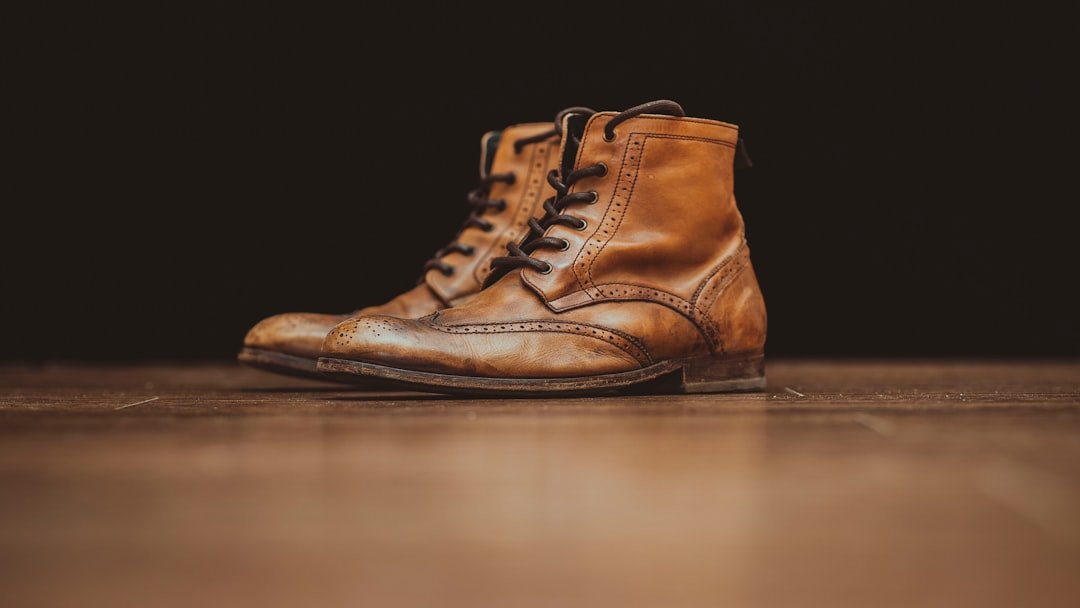
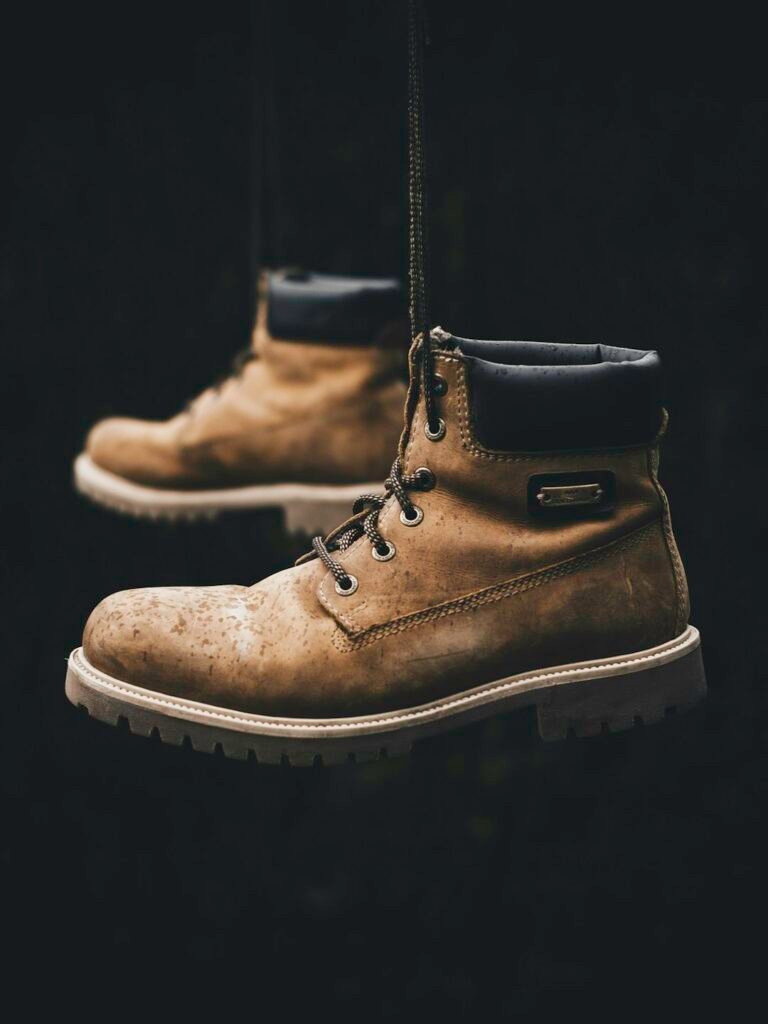
New Zealand’s unpredictable weather — wet winters, muddy trails, and everything in between — is tough on footwear. If you’ve invested in a quality pair of genuine leather shoes or boots, you already know that leather rewards care. Treat it well and it lasts decades, developing a rich patina that only gets better with age. Neglect it and even the finest leather will crack, dry out, and wear down fast.
This guide covers everything Kiwis need to know about How to Care for Leather Shoes & Boots — from everyday cleaning to NZ winter waterproofing, conditioning, proper storage, and knowing when it’s time to resole.
Why Leather Care Matters More in New Zealand
New Zealand’s climate presents a unique challenge for leather footwear. Compared to drier countries, NZ winters bring extended periods of rain, damp ground, and humidity — especially in Wellington, Dunedin, and the West Coast. Salt from coastal air accelerates leather degradation. UV exposure in summer (NZ has some of the highest UV levels in the world) dries out leather quickly and fades colour.
The good news? A simple care routine takes less than 10 minutes and can extend the life of your leather shoes or boots by years. Whether you own handmade horsehide sneakers, cowhide Chelsea boots, or genuine leather loafers, the fundamentals are the same.
What You’ll Need: The Essential Leather Care Kit
Before you start, gather these basics. Most are available at supermarkets, shoe stores, or online in NZ:
- Soft horsehair brush — for removing dry dirt and dust
- Damp cloth or sponge — for light surface cleaning
- Leather cleaner — a dedicated pH-balanced product (not dish soap)
- Leather conditioner — beeswax, mink oil, or a quality cream conditioner
- Waterproofing spray or wax — essential for NZ winters
- Shoe trees (cedar preferred) — to maintain shape during storage
- Soft polishing cloths — lint-free cloths for buffing
For suede or nubuck leathers (like those used in our Goodyear Welt Suede Derby Boots and Cowhide Suede Sneakers), you’ll also want a suede brush and suede-specific protector spray — suede requires different care from smooth leather.
Step 1: Regular Cleaning — The Foundation of Leather Care
The number one enemy of leather is dirt that sits on the surface and works its way into the grain. After every few wears — or after any wet or muddy outing — give your leather shoes a quick clean.
How to clean leather shoes and boots:
- Remove the laces if your shoes have them. This lets you clean around the tongue and eyelets properly.
- Brush off dry dirt with a horsehair brush using firm strokes. Don’t scrub wet mud — let it dry first, then brush it off.
- Apply leather cleaner to a damp cloth (not directly to the shoe) and work it in small circles across the upper. Focus on creased areas, the toe cap, and anywhere dirt accumulates.
- Wipe clean with a fresh damp cloth.
- Allow to dry naturally at room temperature — never use a hairdryer or put them near a heater. Heat destroys leather.
For our Handmade Leather Chelsea Boots and American Retro Chelsea Boots, pay extra attention to the elastic side panels — dirt tends to collect in the elasticated gussets and can cause premature cracking if left in place.
Step 2: Conditioning — Feed the Leather
Leather is skin. Just like your own skin dries out without moisture, leather loses its natural oils over time through wear, cleaning, and exposure to sun and heat. In New Zealand, the combination of strong summer UV and damp winter cold creates a cycle that accelerates this drying process.
Conditioning replenishes the oils and fats in the leather, keeping it supple, flexible, and resistant to cracking.
How to Care for Leather Shoes & Boots:
- Start with clean leather — always condition after cleaning, never on dirty leather.
- Apply a small amount of conditioner to a soft cloth. A little goes a long way.
- Work it into the leather in circular motions, paying special attention to areas that flex with movement — the toe box, the vamp, and around the ankle.
- Let it absorb for 10–15 minutes.
- Buff off any excess with a clean dry cloth.
How often? Every 4–6 weeks for regularly worn shoes. Monthly for boots worn through a NZ winter. And always condition before storing shoes away for a season.
Horsehide leather — used in our Vintage Distressed Horsehide Sneakers, Goodyear Handmade Horse Leather Boots, and Handmade Horsehide Leather Pumps — is denser than regular cowhide and needs slightly less frequent conditioning, but it still benefits greatly from a regular routine.
Step 3: Waterproofing for NZ Wet Winters
This is the step most New Zealanders skip — and it’s the most important one for our climate. Leather is naturally porous. Without a waterproofing layer, repeated wetting causes the leather to absorb water, then dry out unevenly. Over time this leads to stiffness, cracking, salt staining, and colour loss.
Waterproofing doesn’t make your leather shoes 100% waterproof — but it creates a barrier that slows water absorption significantly, giving you time to dry them properly before damage occurs.
How to waterproof leather boots and shoes:
- Start with clean, conditioned leather — waterproofing seals the surface, so condition first.
- Choose the right product:
- Wax-based products (like Dubbin or beeswax polish) — best for smooth leather boots and work boots. Provides excellent protection but slightly darkens the leather.
- Spray-based waterproofers — best for suede, nubuck, and lighter coloured leathers where you don’t want to change the colour or texture.
- Apply in a thin, even coat — for wax, use a cloth; for spray, hold 20–30cm from the shoe surface.
- Let dry completely before wearing.
- Re-apply every 4–8 weeks during the wet winter months, or whenever you notice water no longer beading on the surface.
Our Handmade Cow Leather Motorcycle Boots already come with a thick sole and rugged construction built for New Zealand conditions, but adding a wax waterproofing layer each season will dramatically extend their life. The same goes for our Genuine Leather High-Top Work Boots — ideal candidates for regular Dubbin treatment if you’re wearing them outdoors.
What to Do When Your Leather Gets Soaked
Despite your best efforts, NZ weather will sometimes win. Here’s what to do when your leather boots or shoes get properly soaked:
- Remove the insoles and laces immediately to allow air circulation inside.
- Stuff with newspaper — it absorbs internal moisture and helps the shoe hold its shape as it dries. Replace the newspaper every few hours.
- Dry at room temperature — away from direct heat, radiators, or sunlight. Patience is key here.
- Once fully dry, condition immediately — wet-then-dry cycles strip moisture from the leather. Conditioning after drying restores what was lost.
- Re-waterproof once conditioned.
Never ever use a heater or hairdryer. The rapid heat causes the leather fibres to contract and split. It’s one of the fastest ways to ruin a quality pair of boots.
Step 4: Polishing — For Leather That Lasts and Looks Great
Polishing isn’t just about looks — a good leather polish adds a thin protective layer to the surface that helps repel light moisture and scuffs. For smooth leather dress shoes and boots, regular polishing is part of the care routine.
- Choose a matching polish colour — or a neutral/clear polish if you’re unsure.
- Apply with a small brush or cloth in circular motions, working the polish into the grain.
- Let it dry for a few minutes.
- Buff vigorously with a horsehair brush or polishing cloth until you achieve the desired shine.
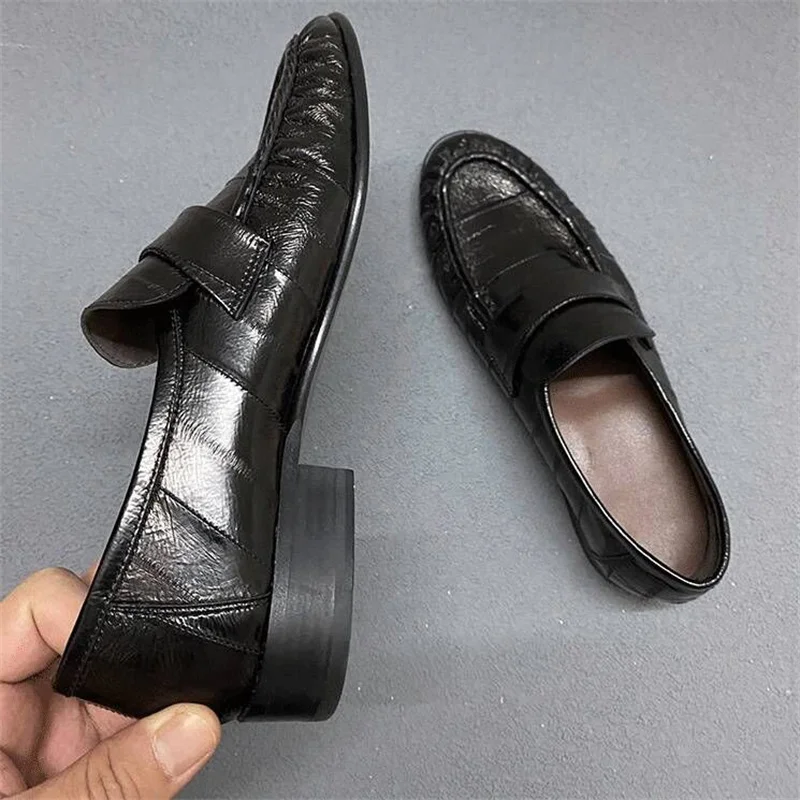
Our Crocodile Leather Casual Dress Boots and Handmade Crocodile Leather Oxford Shoes benefit from regular light polishing with a neutral wax polish to maintain their distinctive texture and sheen.
Step 5: Proper Storage — Protecting Your Leather Between Wears
How you store leather shoes is just as important as how you clean them. Poor storage is a major cause of leather damage that most people don’t think about.
Storage rules for leather shoes and boots:
- Always use shoe trees — cedar shoe trees absorb moisture, neutralise odour, and crucially maintain the shoe’s shape. Without them, leather creases and distorts over time. This is especially important for our Handmade Cowhide Derby Shoes and Genuine Leather Slip-On Loafers.
- Store in a cool, dry, well-ventilated spot — not in plastic bags or airtight containers. Leather needs to breathe. Damp storage leads to mould; airtight storage accelerates drying out.
- Keep out of direct sunlight — UV fades and dries leather over time. A wardrobe or shoe cabinet is ideal.
- For boots, use boot shapers or stuff with acid-free tissue paper to keep the shaft upright and prevent creasing. Avoid letting leather boots fold or slump to one side.
- Dust bags are great for longer-term storage — an old pillowcase works just as well.
- Condition before storing seasonally — if you’re putting boots away for summer, clean and condition them first. They’ll be in great shape when winter returns.
Step 6: When to Resole — Extending the Life of Quality Boots
One of the greatest advantages of quality leather boots — especially those constructed using Goodyear welt or traditional stitched-down methods — is that they can be resoled multiple times. This is one of the main reasons genuine leather footwear is a better long-term investment than fast fashion shoes.
Signs it’s time to resole:
- The heel has worn down unevenly or the rubber has worn through to the midsole
- You can feel the ground through the sole when walking
- The welt (the strip between the upper and sole) is coming apart or showing wear
- You’re getting wet feet on dry days — the sole has worn through enough to let moisture in
Don’t wait until the sole is completely destroyed — once wear reaches the welt or the upper, repair becomes significantly more expensive (or impossible). A resole at the right time costs a fraction of replacing the boots entirely.
Our Goodyear Handmade Horse Leather Boots and Vegetable-Tanned Leather Riding Boots are constructed with resoling in mind — the kind of boots worth investing in a cobbler relationship for. Most NZ cities have quality cobblers who can handle resoling work.
Special Care: Suede and Nubuck Leather
Suede and nubuck require a different approach from smooth leather. They’re more delicate, stain more easily, and should never be treated with standard leather conditioner or wax polish.
- Brush regularly with a suede brush to restore the nap and remove surface dirt
- Use suede-specific protector spray — apply before first wear and re-apply regularly
- Treat stains immediately — blot (never rub) liquid spills. For dry stains, use a suede eraser
- Never get suede wet if you can avoid it — in NZ’s wet winters, consider reserving suede for dry days or always protecting with a spray barrier
Our Goodyear Welt Suede Derby Boots and Lambskin German Army Trainers are beautiful suede pieces that reward attentive care.
Quick Reference: Leather Care Schedule for NZ
| Task | Frequency |
|---|---|
| Brush off surface dirt | After every wear |
| Full clean | Every 2–4 weeks |
| Condition | Every 4–6 weeks (monthly in winter) |
| Waterproof | Every 4–8 weeks in winter / before wet weather |
| Polish (smooth leather) | Every 2–4 weeks |
| Check for resoling | Every 6 months |
| Seasonal deep clean + condition before storage | Twice yearly |
Invest in Leather That’s Worth Caring For
Leather care is only worth the effort if you start with genuine, quality leather. Unfortunately, much of what’s sold as “leather” today is bonded leather or PU — materials that can’t be reconditioned, can’t be resoled, and won’t last more than a few years regardless of how well you treat them.
At UnityPureMax, every pair is crafted from genuine leathers — full-grain cowhide, horsehide, vegetable-tanned leather, and suede — chosen because they respond to care and improve over time. Whether you’re after handcrafted leather boots, leather loafers, or leather sneakers, you’re investing in footwear designed to be worn, maintained, and worn for years to come.
Browse the full UnityPureMax collection and find your next pair worth caring for.

5 thoughts on “How to Care for Leather Shoes & Boots NZ — The Complete Guide”