🎉 Free Shipping on Orders Over $100 | ✨ New Arrivals Just Added


Full Grain vs Genuine Leather Shoes | What’s the Difference 2026

Full Grain vs Genuine Leather Shoes: What You’re Really Paying For
“Genuine leather” sounds premium—but in reality, it’s one of the most misunderstood terms in footwear.
In 2026, as consumers become more informed, the difference between full-grain, top-grain, suede, and lower-grade leather is no longer niche knowledge—it directly influences buying decisions.
This guide breaks down what each type actually means—and what you’re paying for.
1. Full-Grain Leather: The Highest Standard
Full-grain leather is the top layer of the hide—unaltered, uncorrected, and the most durable.
Key characteristics:
- Retains natural grain and imperfections
- Extremely durable
- Develops a rich patina over time
- Highly breathable
This is the leather used in high-end, long-lasting footwear.
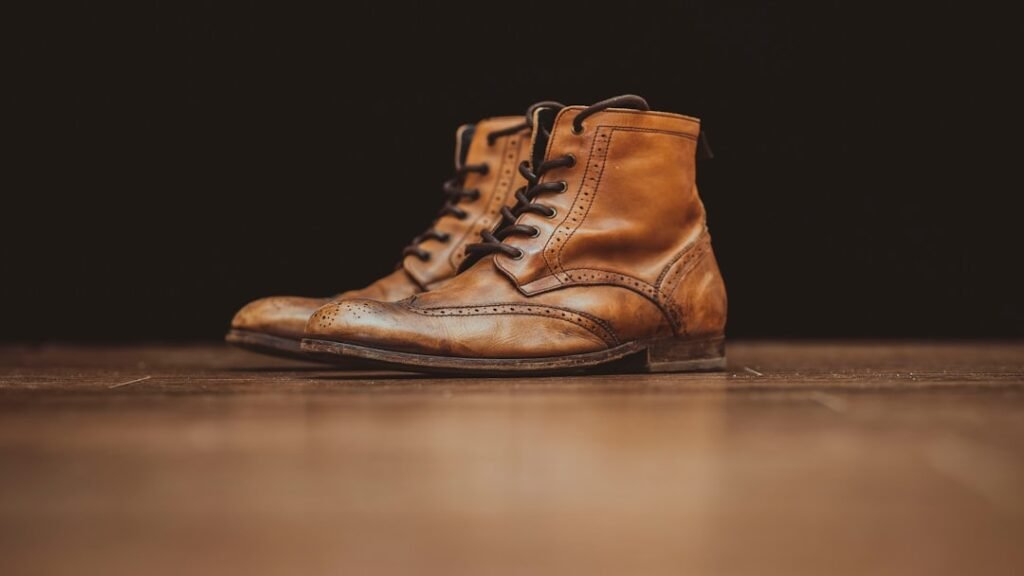
Products built with full-grain or near full-grain quality—like the
UNITYPUREMAX™ Goodyear Handmade Horse Leather Boots—are designed for longevity, aging character, and structural integrity.
What you’re paying for:
Longevity, strength, and natural aging.
2. Top-Grain Leather: Refined but Slightly Processed
Top-grain leather is sanded and treated to remove imperfections.
It offers:
- Smoother appearance
- Slightly softer feel
- Good durability (but less than full-grain)
This is common in modern casual footwear where balance between aesthetics and performance matters.
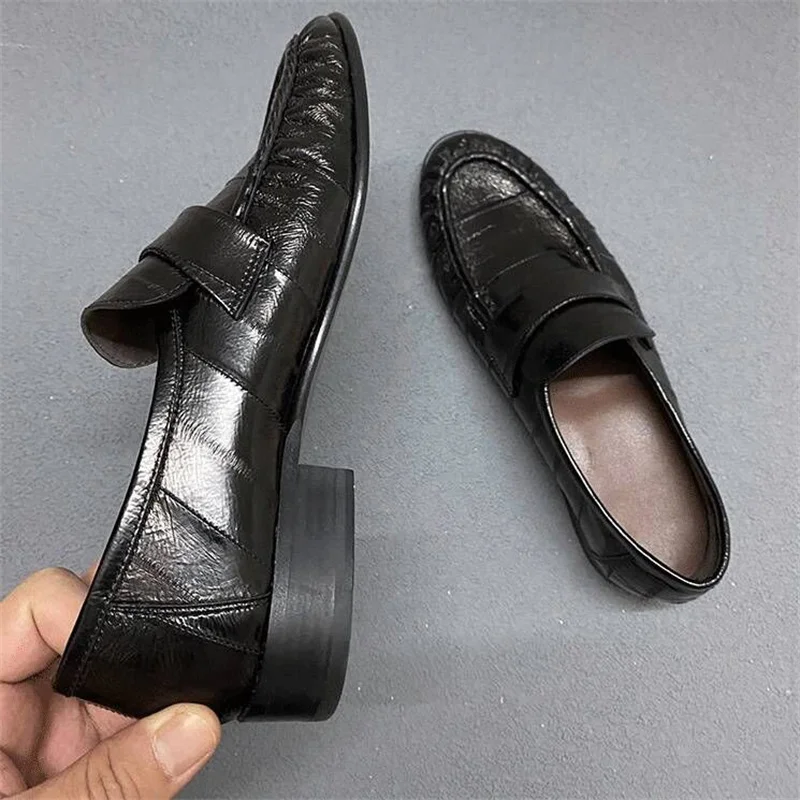
Everyday designs—like the
UNITYPUREMAX™ Handmade Cowhide Derby Shoes—often use high-quality cowhide that falls into this category, offering both comfort and durability.
What you’re paying for:
Consistency in look with solid performance.
3. Genuine Leather: The Most Misleading Term
Despite the name, “genuine leather” is actually a lower tier.
It typically refers to:
- Split layers of the hide
- Heavily processed surfaces
- Less durability compared to higher grades
It’s still real leather—but not premium.
However, construction and design still matter. Well-crafted shoes can still perform effectively depending on how they’re built.
What you’re paying for:
Affordability and accessibility—not long-term performance.
4. Suede Leather: Soft, Breathable, and Textured
Suede is made from the underside of the hide.
Characteristics:
- Soft and flexible
- More breathable than polished leather
- Distinct matte texture
It’s ideal for comfort-focused and seasonal footwear.
A good example is the
UNITYPUREMAX™ Cow Suede Leather Shoes – Mary Jane Platform Wedge Flats—designed for lightweight wear and airflow, especially in warmer conditions.
What you’re paying for:
Comfort, softness, and visual texture.
5. Cowhide Leather: The Everyday Workhorse
Cowhide is the most commonly used leather—and for good reason.
It offers:
- Strong durability
- Balanced flexibility
- Wide usability across styles
From sneakers to casual shoes, cowhide adapts well to daily wear.
Versatile options like the
UNITYPUREMAX™ Cowhide Outdoor Sneakers and UNITYPUREMAX™ Women Retro Leather Sneakers demonstrate how cowhide supports both structure and comfort in everyday footwear.
What you’re paying for:
Durability and versatility.
6. Horsehide Leather: Dense, Durable, and Premium
Horsehide is less common but highly regarded.
It is:
- Denser than cowhide
- More resistant to wear
- Capable of developing deep patina
This makes it ideal for boots and long-term use.
Higher-end constructions—like Goodyear welted boots—often pair well with horsehide due to its strength and longevity.
What you’re paying for:
Premium durability and aging character.
7. What Actually Determines Value
Leather type matters—but it’s only part of the equation.
Real value comes from the combination of:
- Material quality
- Construction method
- Fit and design
- Intended use
A well-constructed shoe with good leather will always outperform a poorly made one—even if both use similar materials.
How to Choose the Right Leather for You
Use this quick framework:
Daily Wear:
Cowhide or top-grain leather
Long-Term Investment:
Full-grain or horsehide
Warm Weather:
Suede or softer leather
Style-Focused Pieces:
Choose based on texture and finish
Final Thoughts
Understanding leather is not about memorizing terms—it’s about recognizing value.
- Full-grain = durability and aging
- Top-grain = balance
- Suede = comfort and breathability
- Horsehide = strength and longevity
“Genuine leather” is not a guarantee of quality—it’s just a starting point.
The real difference lies in how the material is used.
Invest With Clarity
When you understand leather, you buy differently.
Focus on footwear that combines material integrity with craftsmanship.
Explore handcrafted leather designs from UNITYPUREMAX™—built with purpose, not shortcuts.
Full Grain vs Genuine Leather Shoes | What’s the Difference 2026
Learn the difference between full-grain, top-grain, suede, and genuine leather. Discover what you’re really paying for when buying leather shoes.
full grain vs genuine leather shoes, types of leather footwear explained, top grain leather vs full grain, suede leather shoes benefits, cowhide leather shoes durability, horsehide leather boots quality, what is genuine leather meaning, leather quality guide shoes, best leather for shoes men, premium leather footwear guide
To properly clean and preserve your leather, follow these professional leather conservation tips.
Read our guide on How to Break In Leather Shoes Fast Without Pain | Step-by-Step Guide →