🎉 Free Shipping on Orders Over $100 | ✨ New Arrivals Just Added


Exotic Leather Tabi Boots: Crocodile, Ostrich, and Hair-On Split-Toe Craftsmanship

Exotic Leather Tabi Boots: Crocodile, Ostrich, and Hair-On Split-Toe Craftsmanship
Exotic leather tabi boots occupy a rare space in footwear — a silhouette built on centuries of Japanese tradition, reworked in materials usually reserved for the world’s finest dress shoes and accessories. At UNITYPUREMAX™, the split-toe form is not a passing trend borrowed from the runway. It is a construction we’ve paired with crocodile, ostrich, and hair-on leathers to create boots that read as collector pieces first, footwear second.
The tabi silhouette has spent the last year moving from niche reference into the mainstream — split-toe collaborations have shown up everywhere from skate shoes to running silhouettes. But almost none of that attention has touched genuine exotic leather. Sneaker collaborations use canvas and mesh. Fashion runways use calfskin. What’s been missing is a boot built the way an exotic leather dress shoe would be built — Goodyear welted, hand-finished, made to be resoled and worn for a decade rather than a season.
The Tabi Silhouette: A Split-Toe Legacy
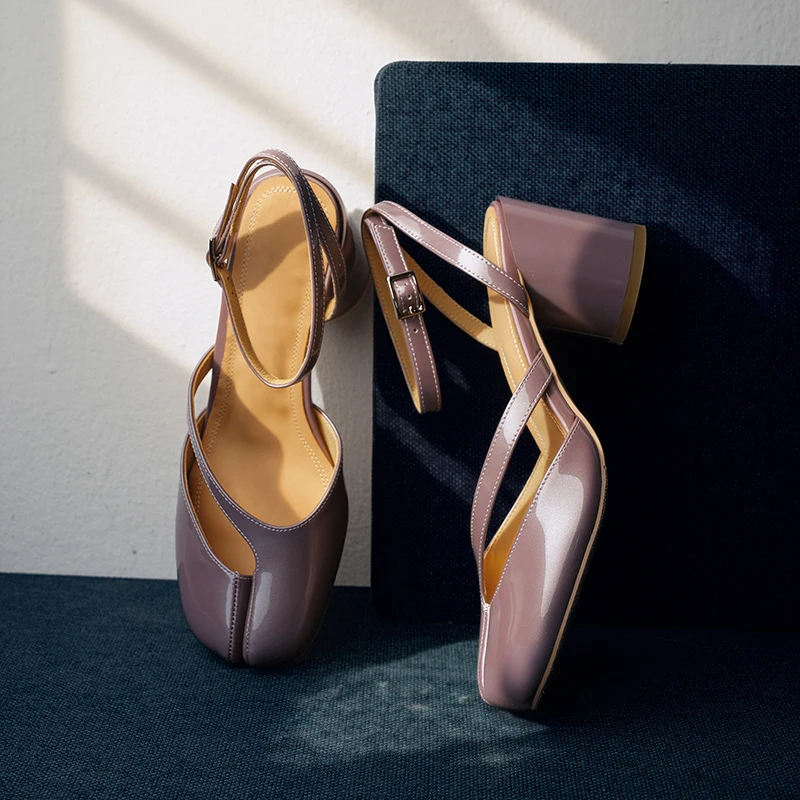
The split-toe design traces back to traditional Japanese tabi socks, built to separate the big toe for balance, grip, and a distinct visual line. When translated into leather footwear, that structure does something most Western boot lasts don’t: it moves with the foot rather than boxing it in. The result is a boot that looks sculptural at rest and feels deliberate in motion — a silhouette that rewards close attention rather than fading into the background.
Most tabi footwear on the market today treats that history as a shape to reference, not a construction to honor. Ours doesn’t.
Why Exotic Leather Elevates the Tabi Silhouette
Split-toe construction already draws the eye with its unconventional lines. Exotic leather gives those lines something worth looking at twice.
Crocodile Tabi Boots — Natural scale patterning follows the split-toe seam in a way calfskin never could, turning the construction line itself into part of the design. Crocodile is cut and matched by hand so the scale pattern flows continuously across the vamp.
Ostrich Tabi Boots — The quill-point texture of ostrich leather is unmistakable and impossible to replicate synthetically. On a split-toe last, the texture reads as intentional and architectural rather than decorative.
Hair-On Tabi Boots — Zebra and pony hair-on leathers bring a bolder, more graphic finish to the silhouette — a version of the tabi built for someone who wants the construction to be seen from across a room, not just admired up close.
Each pair starts from the same foundation as the rest of our catalog: Goodyear welt construction, full-grain leather linings, and soles built to be replaced rather than the whole boot discarded. Explore the full range in Men’s Tabi Boots → and Women’s Tabi Boots →, or step into the sneaker and loafer interpretations of the same silhouette through Men’s Tabi Sneakers →, Men’s Tabi Loafers →, Women’s Tabi Sneakers →, and Women’s Tabi Loafers →.
Styling Guide
Exotic leather tabi boots are a statement piece — the styling principle is to let them anchor an otherwise restrained outfit rather than compete with other bold elements. Pair crocodile tabi boots with tailored trousers and a monochrome palette; the boots supply the texture, the rest of the outfit supplies the calm. Ostrich pairs naturally with raw denim and structured outerwear, where the quill texture plays against harder fabrics. Hair-on styles are best worn with simple, dark layers that let the pattern carry the look.
For a lower-profile entry point into the silhouette, our Men’s Tabi Loafers → and Women’s Tabi Loafers → offer the same construction in a more everyday form, and pair well with the boots as a two-piece collection.
Why Choose UNITYPUREMAX™
We build every exotic leather tabi boot the way we build the rest of our catalog — Goodyear welted, hand-lasted, and finished by artisans who treat the construction as seriously as the material. We don’t chase every color drop or collaboration cycle. Each exotic hide is sourced and confirmed before it becomes a listing, and every pair is made to be worn, resoled, and passed down rather than replaced. This is footwear for people who see the split-toe form as a piece of design history worth investing in, not a trend to try once.
Care Guide for Exotic Leather Tabi Boots
Exotic leathers require more attentive care than standard cowhide, and the split-toe seam is a point worth watching closely. Store boots with cedar shoe trees to preserve the toe shape at the seam. Clean crocodile and ostrich with a soft, dry cloth after each wear — avoid saturating the scale or quill pattern with conditioner, which can flatten the texture over time. Hair-on leathers should be brushed gently in the direction of the hair growth and kept away from prolonged direct sunlight, which fades color unevenly. Condition exotic leathers no more than twice a year with a product formulated specifically for that hide type, and always test on an inconspicuous area first. Keep all exotic leather footwear away from moisture and store in a breathable dust bag rather than plastic.
Frequently Asked Questions
1. What makes tabi boots different from standard boots?
Tabi boots use a split-toe last that separates the big toe from the rest of the foot, a structure rooted in traditional Japanese tabi socks. It changes both the visual silhouette and how the boot moves with the foot.
2. Are exotic leather tabi boots durable enough for regular wear?
Yes. Ours are built on Goodyear welt construction with full-grain leather linings, meaning the sole can be replaced without disturbing the upper — the same standard we hold for our full catalog.
3. What’s the difference between crocodile, ostrich, and hair-on leather?
Crocodile has a natural scale pattern, ostrich has a distinctive quill-point texture, and hair-on leathers (zebra, pony) retain the natural hair for a bolder graphic finish. Each ages and cares for differently.
4. Do tabi boots run true to size?
The split-toe last fits differently than a standard round or pointed toe. We recommend checking our sizing guide for tabi-specific fit notes before ordering.
5. How should I break in a new pair of tabi boots?
Wear them in short sessions over the first one to two weeks to let the leather and welt settle to your foot, particularly around the split-toe seam.
6. Can exotic leather tabi boots be resoled?
Yes. Goodyear welt construction means the sole is stitched rather than glued, so a cobbler can replace it without damaging the upper.
7. How do I clean crocodile or ostrich leather boots?
Wipe with a soft, dry cloth after wear. Avoid saturating the leather with water or heavy conditioner, which can flatten the natural texture.
8. Are these boots appropriate for everyday wear or special occasions only?
Both. The construction is built for regular wear, though most collectors treat exotic leather pairs as a rotation piece rather than a daily boot.
9. What’s the best way to store exotic leather boots between wears?
Use cedar shoe trees and a breathable dust bag, kept away from direct sunlight and humidity.
10. Do you offer tabi styles beyond boots?
Yes. The tabi last is also available as sneakers and loafers for both men and women, in standard and exotic leathers.
Ready to Own a Piece of Split-Toe History
Explore the full exotic leather tabi collection at UNITYPUREMAX™ and find the pair that fits your rotation — from crocodile boots to hair-on loafers.