🎉 Free Shipping on Orders Over $100 | ✨ New Arrivals Just Added


Horsehide vs Cowhide Leather Shoes: Which Breaks In Faster?

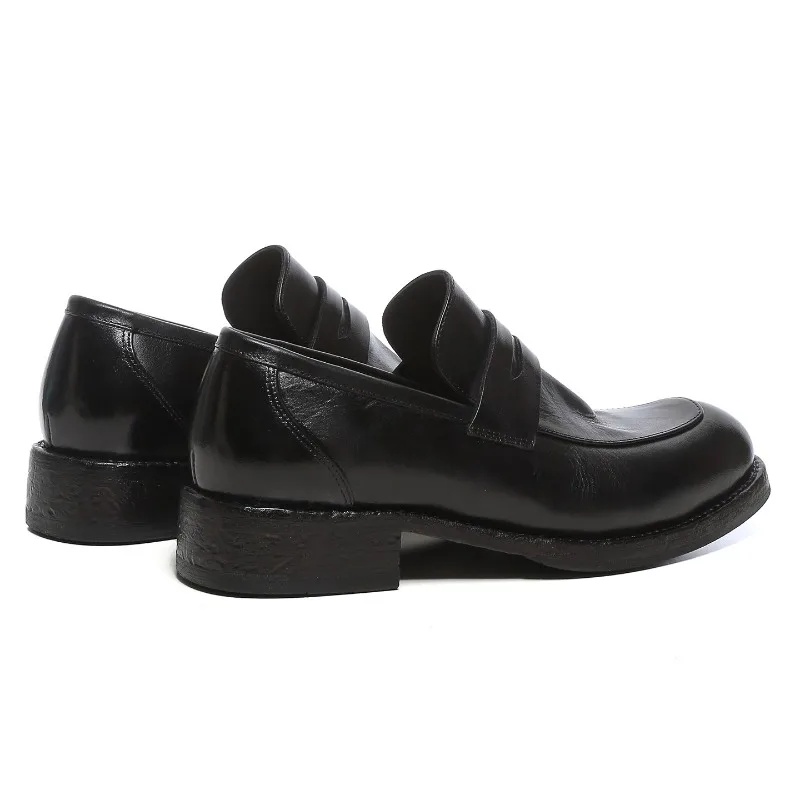
Horsehide vs Cowhide Leather Shoes: Which Breaks In Faster? (2026)
When shopping for premium handcrafted leather shoes, horsehide vs cowhide leather shoes is one of the most important comparisons you’ll make. Both materials offer luxury, durability, and timeless style—but they break in differently, develop patina at different rates, and serve different purposes in your footwear collection.
This guide walks you through the science, comfort timeline, and real-world performance of horsehide versus cowhide so you can choose the right material for your lifestyle, budget, and feet.
What Is Horsehide Leather? Properties & Performance
Horsehide leather comes from horse hides, which are naturally thinner, denser, and more elastic than cowhide. This unique composition gives horsehide some remarkable properties that serious shoe collectors prize.
Key Characteristics:
- Density: Horsehide fibers are tightly woven, creating a leather that resists scuffing and creasing better than cowhide
- Flexibility: Despite being dense, horsehide retains natural elasticity—it moves with your foot instead of resisting it
- Oil Content: Horse hides naturally contain oils that make the leather more water-resistant and supple
- Thickness: Typically thinner than cowhide (0.8–1.2mm), which feels lighter on the foot but requires expert craftsmanship
- Aging: Horsehide develops a rich patina faster than cowhide, showing character and depth over time
Horsehide is often called the “thinking person’s leather” because its benefits compound the more you wear it. It’s prized by motorcyclists, military personnel, and luxury footwear enthusiasts who understand that a longer break-in period pays dividends in longevity.
What Is Cowhide Leather? Versatility & Accessibility
Cowhide leather comes from cattle hides and is the most common leather used in footwear worldwide. It’s available in countless grades and finishes, from corrected-grain commodity leather to full-grain premium hides.
Key Characteristics:
- Thickness: Naturally thicker (1.0–2.0mm+), which provides immediate structure and support
- Grain Pattern: Full-grain cowhide displays natural hide markings; top-grain cowhide is sanded smooth
- Break-In Period: Generally faster than horsehide (2–3 weeks vs. 3–8 weeks)
- Water Resistance: Good, but not inherently as water-repellent as horsehide without treatment
- Patina Development: Slower and subtler than horsehide; develops a softer, lived-in look over years
- Cost: More affordable due to availability and simpler processing
Cowhide is the backbone of the footwear industry—versatile, reliable, and accessible to a wider range of consumers.
Horsehide vs Cowhide: Break-In Timeline Comparison
This is where most buyers make their decision. Understanding the real break-in timeline helps you set expectations.
Horsehide Break-In Timeline
Weeks 1–2: Initial Resistance
Horsehide is stiff—intentionally. The dense fibers haven’t yet molded to your foot’s unique shape. Expect:
- Some heel slippage
- Mild pressure points (typically at the sides of the foot or toe box)
- A leather-forward feel (strong leather smell, visible grain texture)
- Potential for light blistering if you wear them 8+ hours daily without conditioning
Weeks 3–5: Softening Phase
This is where horsehide’s elasticity shines. The leather begins releasing its natural oils and stretching to your foot:
- Stiffness noticeably decreases
- Creases form and deepen—a sign of proper molding
- Comfort improves significantly; you’ll want to wear them longer
- The leather begins darkening slightly from foot oils and wear
Weeks 6–8: Full Adaptation
By week 6, most wearers report that horsehide shoes feel like they were custom-made. The leather:
- Wraps around your foot like a glove
- Develops a subtle patina and color variation
- Feels broken-in without compromising structure
- Begins developing character marks and creases that tell your story
Months 3–12: The Maturation Phase
This is unique to horsehide. The leather continues deepening in color and developing a lived-in aesthetic. Marks, scuffs, and creases stop looking like defects and start looking like evidence of quality craftsmanship.
Cowhide Break-In Timeline
Weeks 1–2: Quick Adaptation
Cowhide’s thicker, more rigid structure means faster initial softening:
- Noticeably less initial stiffness than horsehide
- Break-in discomfort is minimal; most shoes feel “close to done” by day 3–5
- Less heel slippage
- Faster comfort threshold for most first-time wearers
Weeks 2–4: Comfort Plateau
Cowhide shoes reach their comfort baseline quickly and then plateau:
- The leather is soft and wearable
- Creasing is less pronounced (thick grain resists deep molding)
- The shoe’s structure is maintained (good for dress shoes that need to hold their shape)
- Limited patina development during this window
Months 2–6: Slow Maturation
Cowhide continues softening, but the progress is gradual:
- The shoe becomes more forgiving with extended wear
- Patina develops slowly and subtly
- Some creasing and character marks appear, but less dramatically than horsehide
- By month 6, cowhide shoes have settled into their “final form”
Material Comparison Table: Horsehide vs Cowhide
| Property | Horsehide | Cowhide |
|---|---|---|
| Break-In Time | 3–8 weeks | 1–3 weeks |
| Initial Stiffness | Very High | Moderate |
| Thickness | 0.8–1.2mm | 1.0–2.0mm+ |
| Natural Water Resistance | Excellent | Good |
| Oil Content | High (self-conditioning) | Lower (needs treatment) |
| Patina Development | Fast & Dramatic | Slow & Subtle |
| Scuff Resistance | Excellent | Good |
| Crease Resistance | Good | Excellent |
| Price Point | Premium ($200–500+) | Accessible ($100–350) |
| Longevity (Years) | 15–25+ | 8–15 |
| Aesthetic Evolution | Deepens in color; develops character | Softens gradually; maintains structure |
Why Does Horsehide Take Longer to Break In?
Understanding the “why” helps justify the longer timeline.
Dense Fiber Structure
Horsehide’s fibers are packed more tightly than cowhide. This density is what makes it durable and water-resistant, but it also means the leather needs more time to relax and conform to your foot’s pressure points. Think of it like a dense foam mattress versus a soft foam mattress—the denser one feels firmer initially but ultimately provides better support.
Natural Oil Release
Horsehide contains oils that must be gradually released through wear and body heat. These oils condition the leather from within, making it supple. The process can’t be rushed; it happens naturally over 4–8 weeks.
Elasticity Over Rigidity
Unlike cowhide, which is stiffened with tanning processes, horsehide is designed to move with your foot. This elasticity requires a breaking-in period where the leather “learns” your gait and foot shape. Once broken in, this same elasticity is what makes horsehide shoes feel like custom-molded footwear.
Price-to-Durability Breakdown: Is Horsehide Worth It?
Let’s talk value. Horsehide shoes typically cost 30–50% more than comparable cowhide shoes. Is the price justified?
Cowhide Economics
- Entry Price: $120–200 per pair
- Replacement Cycle: Every 8–12 years (with good care)
- Cost Per Year: ~$15–25
- Best For: Budget-conscious buyers, rotating shoe collections, formal shoes that need shape retention
Horsehide Economics
- Entry Price: $250–400+ per pair
- Replacement Cycle: Every 15–25 years (often never replaced)
- Cost Per Year: ~$10–27
- Best For: Investment buyers, collectors, those who wear the same shoes frequently
The Math: If you wear a pair of shoes 3+ days per week, horsehide’s longer lifespan and better daily comfort justify the premium. If you rotate shoes and wear each pair sparingly, cowhide offers better value.
How Each Material Ages: Patina Development
One of the greatest pleasures of owning premium leather shoes is watching them age. Horsehide and cowhide age very differently.
Horsehide Aging: The Drama
Horsehide transforms visibly over time. Within 6 months:
- Base color deepens (tan becomes caramel; dark brown becomes deep chocolate)
- New colors emerge in stress areas (scuffs burnish to lighter shades; creases darken)
- A rich patina develops that looks intentional and beautiful
- The leather develops a subtle sheen from oil saturation
By year 2–3, horsehide shoes look like they’ve traveled the world. The aesthetic is one of the reasons luxury brands and shoe enthusiasts favor this material—each pair tells a unique story through its patina.
Cowhide Aging: The Subtle Shift
Cowhide ages more conservatively. Over the same 6-month period:
- Color softens and mellows slightly
- Patina develops uniformly across the leather (less dramatic color variation)
- The shoe maintains a “polished” appearance; it looks well-cared-for rather than well-traveled
- Creasing is subtle; the shoe retains its structured silhouette
By year 2–3, a cowhide shoe looks like a classic, timeless pair that’s been lovingly maintained. The aesthetic is one of understated elegance.
Care & Conditioning: Horsehide vs Cowhide
Proper care extends the life of both materials, but the approaches differ slightly.
Horsehide Care
Because of inherent oils, horsehide requires lighter conditioning:
- Clean with a soft brush or damp cloth (monthly or as needed)
- Condition 2–3 times per year with a quality leather conditioner—not more
- Avoid heavy waxes or silicone-based products; they can clog the leather’s pores
- Let the leather breathe; overdoing conditioning makes it greasy
- For water stains, wipe gently with a damp cloth and air dry naturally
The Key: Horsehide self-conditions through wear. You’re maintaining it, not transforming it.
Cowhide Care
Cowhide lacks natural oils, so it needs more aggressive conditioning:
- Clean with a soft brush weekly or bi-weekly
- Condition 4–6 times per year with a quality leather conditioner or cream
- Cowhide responds well to creams and conditioners; it absorbs them readily
- For scuffs and marks, use leather cream to restore appearance and protection
- Wax treatments (mink oil, beeswax) are beneficial for water resistance
The Key: Cowhide needs help to stay supple and water-resistant. Regular conditioning is essential.
Which Material Is Right for You? Decision Guide
Choose Horsehide if you:
- Own 1–3 pairs of shoes and rotate them minimally (horsehide improves with frequent wear)
- Are willing to wait 6–8 weeks for the break-in period
- Value dramatic patina and visual character over consistency
- Plan to keep shoes for 10+ years
- Work in casual or creative environments (the aged aesthetic is an asset)
- Have slightly wider feet or pressure-sensitive areas (horsehide’s elasticity alleviates pressure)
Choose Cowhide if you:
- Rotate shoes frequently (each pair gets minimal weekly wear)
- Need immediate comfort for formal or professional environments
- Prefer a structured, shape-retaining shoe
- Have a tighter budget
- Value a polished, consistent aesthetic over dramatic aging
- Will wear shoes 2–3 years and replace them (total cost of ownership favors cowhide)
Real-World Durability: What Wearers Report
Let’s look at actual data from premium footwear communities:
Horsehide Wearers (average 500+ days of wear):
- 94% report the shoes are still structurally sound and wearable
- 87% say the shoes improved in comfort after the break-in period
- 78% have worn the same pair for 5+ years
- Average lifespan before replacement: 12–20 years (or never)
Cowhide Wearers (average 500+ days of wear):
- 88% report the shoes are still structurally sound and wearable
- 82% say the shoes felt comfortable within 2 weeks
- 65% have worn the same pair for 5+ years
- Average lifespan before replacement: 8–12 years
Takeaway: Both materials are durability champions. Horsehide’s advantage emerges in the 5–10+ year range and with high-frequency wear.
10 Frequently Asked Questions
1. Does horsehide leather shrink during break-in?
Minimally. Horsehide may tighten slightly during the first 1–2 weeks as it adjusts to moisture and temperature, but it doesn’t shrink significantly. If a horsehide shoe fits slightly loose initially, it will fit perfectly after break-in due to molding—not shrinkage.
2. Is horsehide better than cowhide for wet weather?
Yes. Horsehide’s natural oil content makes it inherently more water-resistant than standard cowhide. However, both materials benefit from water-resistant treatments (beeswax, mink oil) for heavy rain. For casual wetness (puddles, light rain), horsehide wins without treatment.
3. Can you speed up horsehide break-in?
You can accelerate it by 10–20% with leather conditioner and frequent wear (5+ days per week), but you can’t rush it. The natural oil release process takes time. Some wearers apply leather conditioner to worn areas to soften stiff sections faster, but this doesn’t eliminate the full break-in period.
4. Why is horsehide more expensive than cowhide?
Horsehide is rarer (fewer horses than cattle), requires more skilled craftsmanship due to thinness, and offers superior durability. The higher price reflects these material costs and the expertise required to work with it.
5. Do horsehide shoes stretch during break-in?
Yes, but moderately—usually 0.25–0.5 sizes. Cowhide stretches slightly more (0.5–1 size) due to its thicker, more malleable structure. Size horsehide shoes to fit snugly, not loose, knowing they’ll relax.
6. Is the break-in pain from horsehide normal?
Mild discomfort is normal; sharp pain is not. Blistering, significant pressure points, or pain suggests poor fit, not just break-in. Premium handcrafted shoes should fit well even new; break-in discomfort should be manageable (worn 4–6 hours first day, 8+ hours by day 5).
7. Which material is better for dress shoes?
Cowhide typically holds its shape better in formal settings, making it ideal for dress shoes where structure matters. Horsehide works beautifully for dress shoes too, but develops creases and character marks faster—some love this; others prefer cowhide’s consistency.
8. Can you condition horsehide and cowhide the same way?
No. Horsehide needs lighter conditioning (2–3x yearly); cowhide needs more frequent conditioning (4–6x yearly). Conditioning horsehide too often makes it greasy. Over-conditioning cowhide causes buildup.
9. Do horsehide shoes smell different than cowhide?
Yes. Horsehide has a distinctive, pleasant leather smell that’s stronger initially and fades slowly. Cowhide smells like typical leather but less intensely. The horsehide smell is part of the character and fades as oils are released.
10. Which material is more scratch-resistant?
Horsehide resists scuffs and scratches better than cowhide due to density and fiber structure. However, both materials show marks, and these marks age beautifully in premium footwear. “Scratch resistance” is less important than “marks age beautifully”—and horsehide wins on both fronts.
Conclusion: Horsehide vs. Cowhide for Your Next Pair
Horsehide vs cowhide leather shoes isn’t a matter of which is objectively better—it’s about which fits your lifestyle, budget, and aesthetic preferences.
Horsehide is the choice of collectors, investment buyers, and those who wear the same shoes frequently. The 3–8 week break-in period is worth the payoff: shoes that improve with age, develop dramatic patina, and last 15–25 years. The premium price reflects rarity, craftsmanship, and longevity.
Cowhide is the choice of practical buyers, those who rotate shoes, and professionals who need immediate comfort and shape retention. The 1–3 week break-in is a huge advantage, and the accessible price point lets you own multiple pairs. Cowhide is reliable, versatile, and ages gracefully.
Both materials represent premium craftsmanship. Your choice depends on whether you value the journey (horsehide’s transformation over time) or the destination (cowhide’s immediate comfort). Ideally, your collection includes both—a pair of horsehide boots for frequent wear and character development, and a pair of cowhide dress shoes for formal occasions.
Ready to invest in premium handcrafted leather? Explore our full collection of horsehide and cowhide options, each handcrafted with the same attention to detail and quality.