🎉 Free Shipping on Orders Over $100 | ✨ New Arrivals Just Added


Leather Belt Buying Guide NZ — How to Match Your Belt to Your Shoes

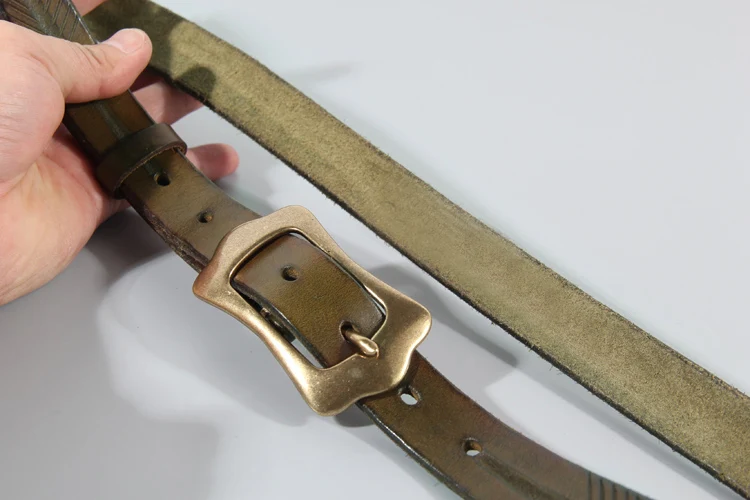
Leather belt buying guide NZ starts with understanding one simple rule that transforms how you dress: your belt and shoes should always speak the same language. Whether you’re dressing for a Wellington boardroom, an Auckland wedding, or a casual Saturday in Christchurch, getting the belt-to-shoe pairing right is one of the easiest ways to look polished and intentional.
This guide covers everything Kiwis need to know about buying quality leather belts — from matching your belt to your shoes, understanding leather grades, choosing the right width and buckle, and knowing when to invest in genuine leather over cheap alternatives.
The Golden Rule: Match Your Belt to Your Shoes
This is the foundation of belt buying in NZ or anywhere else. The rule is simple: your belt leather should match your shoe leather in both colour and finish.
- Brown shoes = brown belt
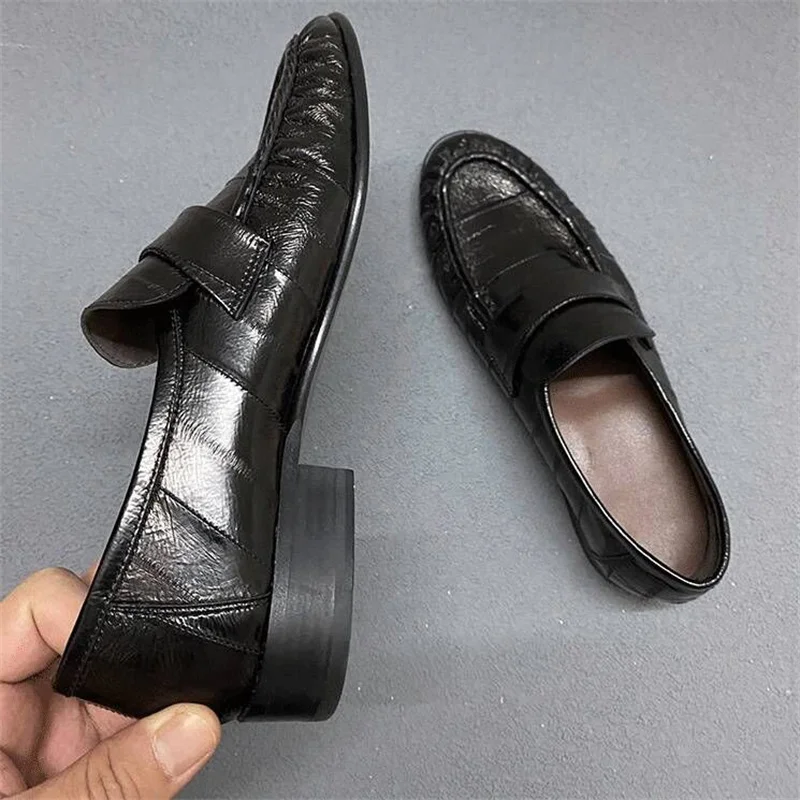
- Black shoes = black belt
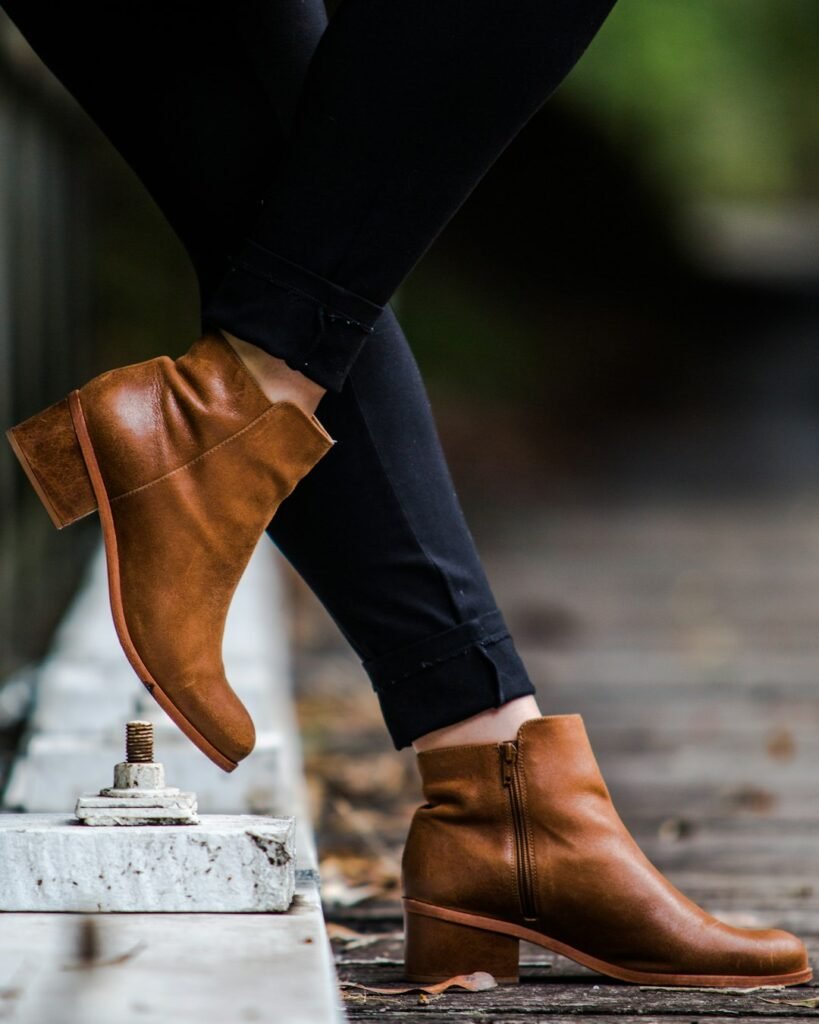
- Tan shoes = tan belt
- Burgundy/oxblood shoes = burgundy belt
The match doesn’t have to be forensically exact — a slightly lighter or darker shade is fine — but the colour family must align. Wearing black shoes with a brown belt (or vice versa) is one of the most common style mistakes and it’s immediately noticeable.
What about finish?
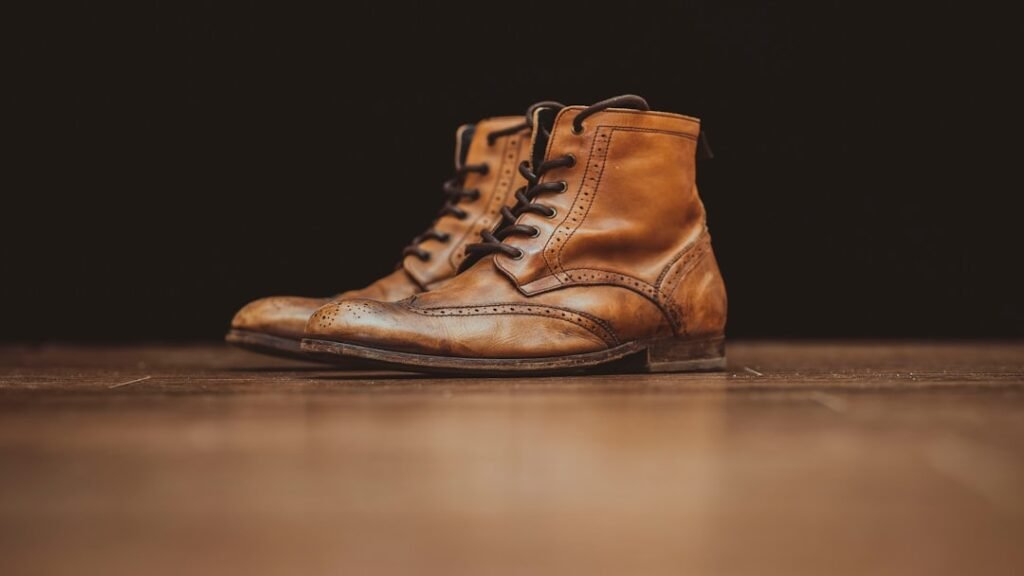
If your shoes are polished smooth leather, your belt should be smooth leather. If your shoes are suede or rough-out leather, a textured or matte belt works better than high-shine. The goal is visual harmony — belt and shoes should look like they came from the same material family.
Leather Belt NZ — Formal vs Casual Rules
Not all belt-and-shoe pairings follow the same strictness. The formality of the occasion dictates how precise you need to be.
Formal/business wear (suits, dress trousers)
The matching rule is non-negotiable here. Black Oxford shoes or Chelsea boots demand a black leather belt. Brown brogues or loafers need a brown belt. Keep buckles simple and understated — a slim rectangular or rounded buckle in brushed silver or gunmetal.
For business formal in NZ (which is relatively relaxed compared to London or New York), a quality genuine leather belt in black or dark brown with a classic buckle will handle 90% of situations.
Smart casual (chinos, dark jeans, button-down shirts)
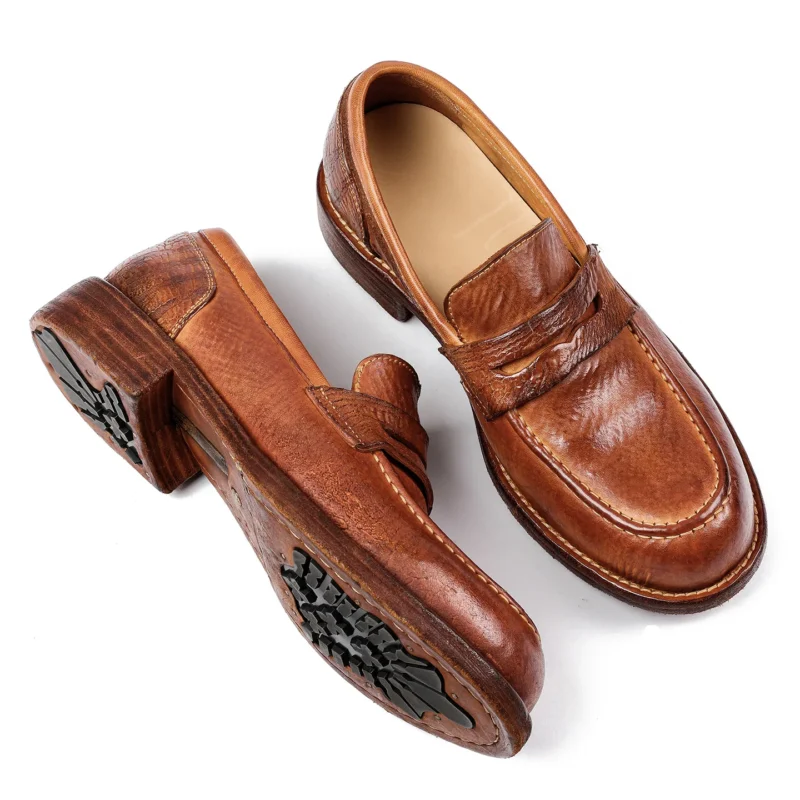
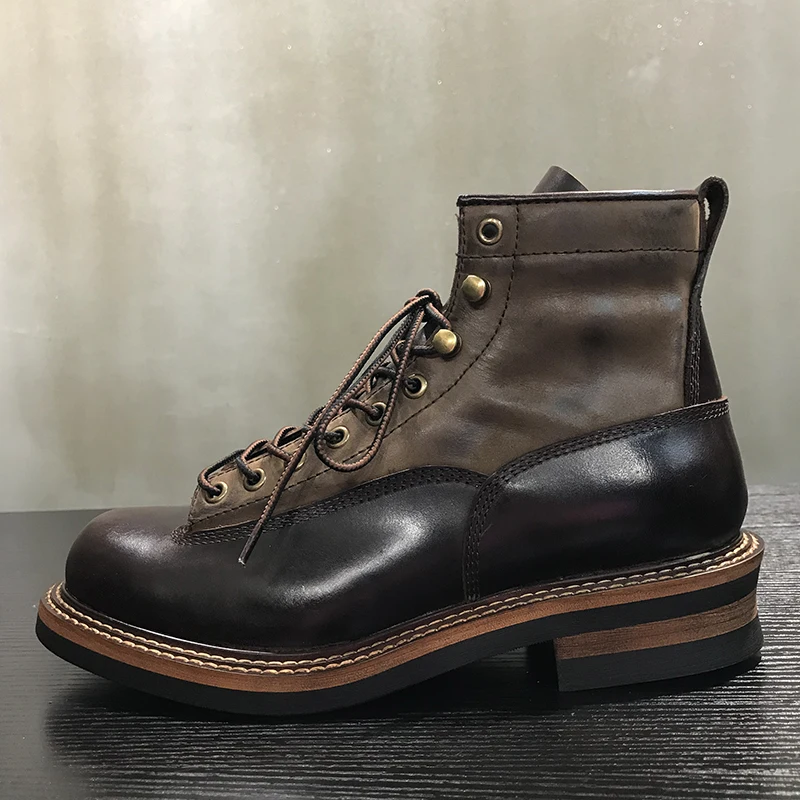
You have slightly more freedom here but the colour-match principle still applies. Brown leather works beautifully with tan loafers, derby shoes, or leather boots. Buckles can be slightly larger or more decorative — think antique brass or darker finishes.
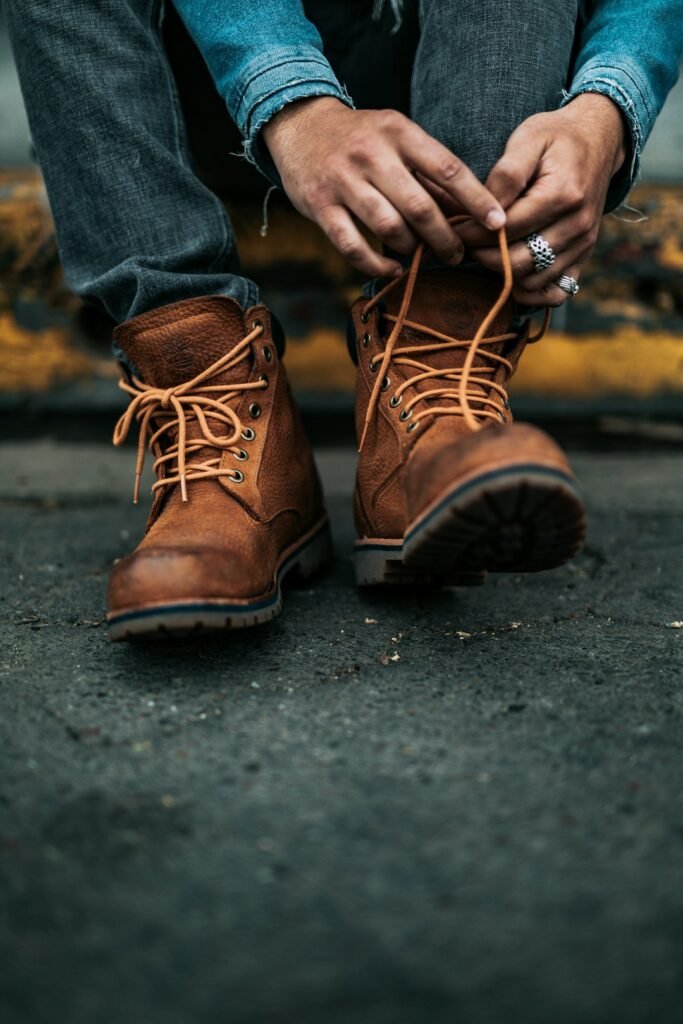
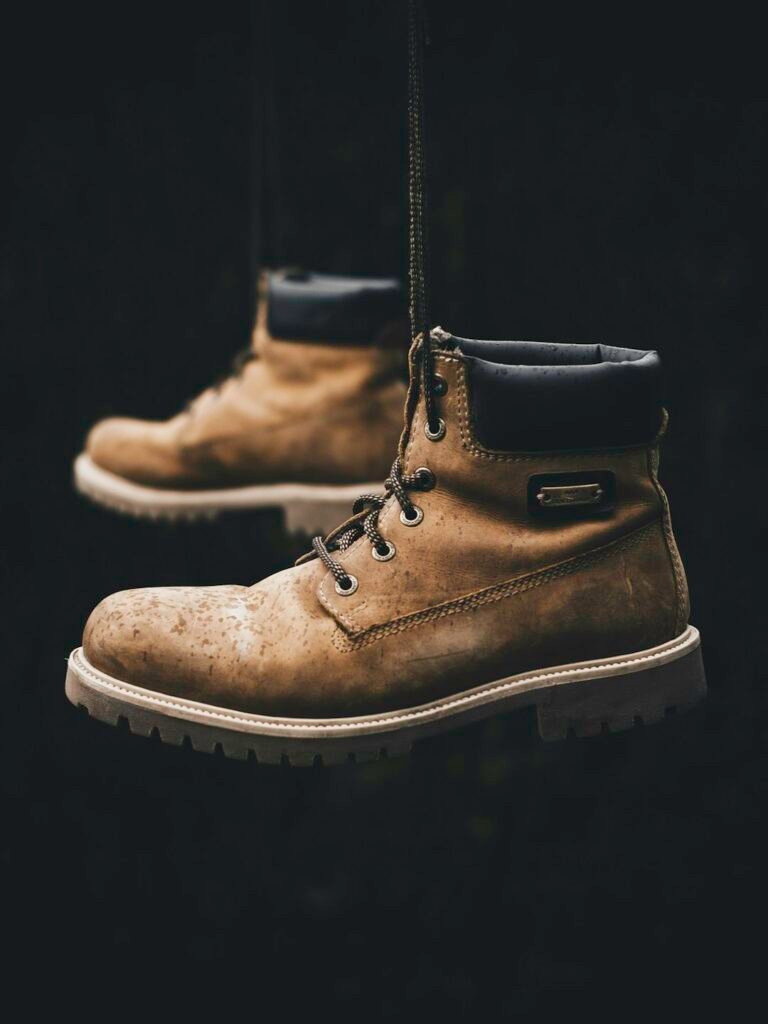
This is where a mid-brown full-grain leather belt really shines in the NZ wardrobe. It pairs with everything from chocolate brown boots to lighter tan shoes, and handles both office-casual Fridays and weekend pub sessions.
Casual (jeans, t-shirts, sneakers)
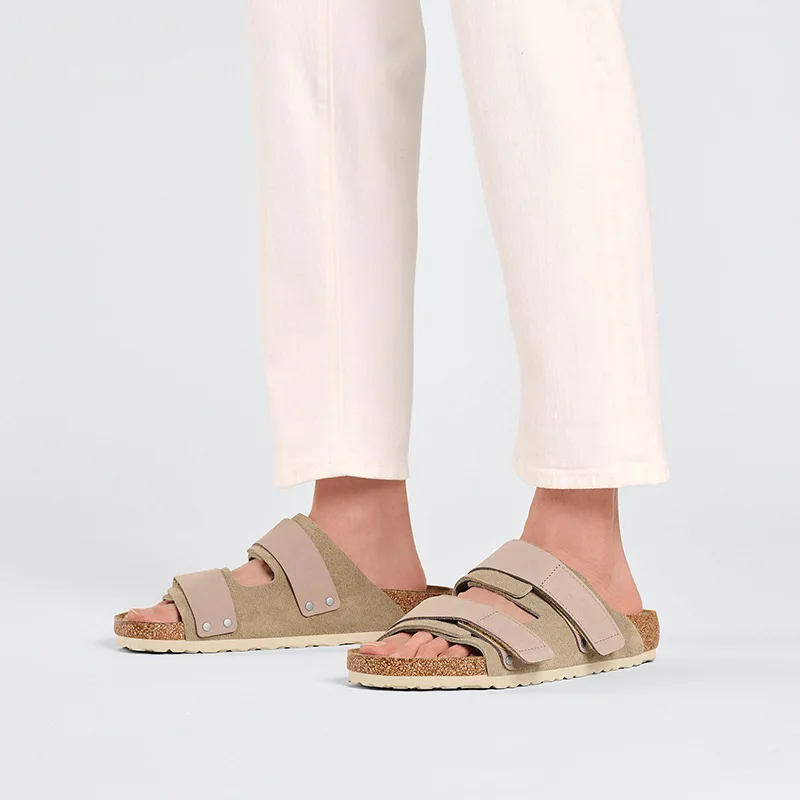
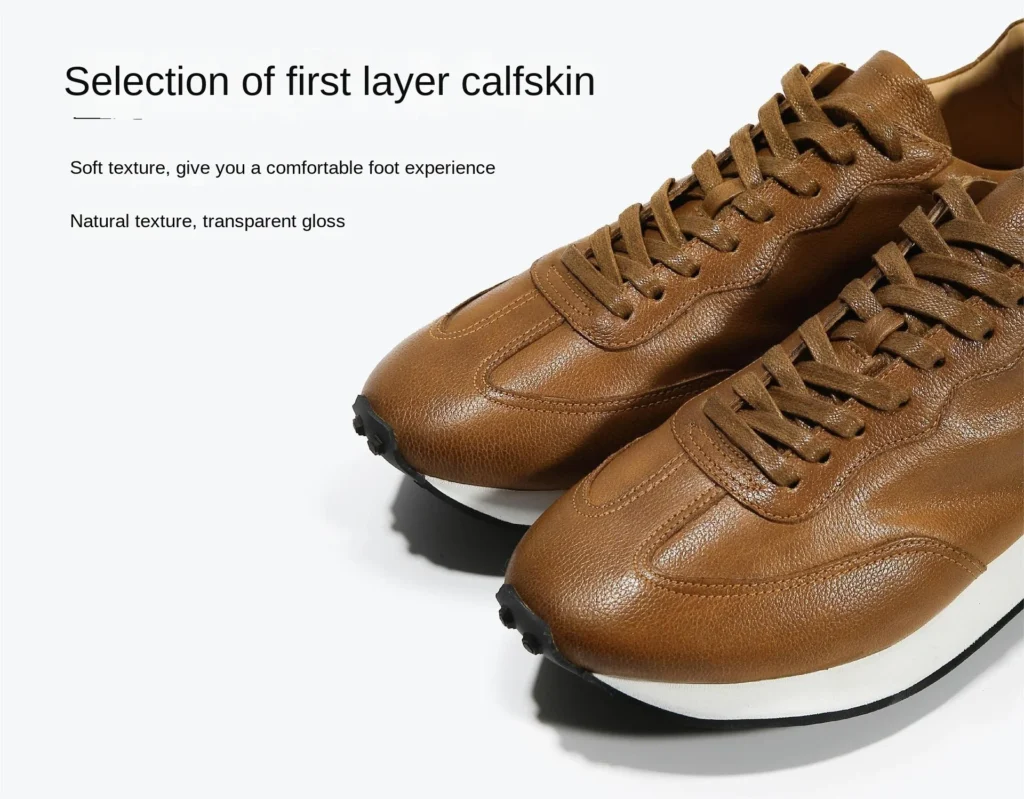
The rules loosen significantly. You can wear brown leather belts with white sneakers, grey trainers, or even suede desert boots in different shades. Black belts work with black or dark grey sneakers. The belt becomes more of a functional accessory than a strict style pairing.
Canvas or woven belts also work here if you prefer, but a quality casual leather belt — slightly thicker, maybe with a vintage-style buckle — adds a touch of refinement even to relaxed outfits.
Choosing the Right Leather Belt Width NZ
Belt width matters more than most people realise. Too narrow looks flimsy; too wide looks costume-like. Here’s the general guide:
| Width | Use Case | What It Works With |
|---|---|---|
| 2.5–3cm (1–1.2 inches) | Formal/dress belts | Suits, dress trousers, formal occasions |
| 3.5–4cm (1.4–1.6 inches) | Smart casual belts | Chinos, dark jeans, business casual |
| 4–5cm (1.6–2 inches) | Casual/jeans belts | Denim, casual trousers, workwear |
The belt should fit comfortably through your trouser belt loops. If the loops are narrow (dress trousers), you need a narrower belt. If they’re wider (jeans, chinos), you can go wider.
For most Kiwi men, owning two belts covers 95% of situations: a 3cm black or dark brown dress belt for formal wear, and a 3.5–4cm brown casual belt for everything else.
Leather Quality — What to Look For in a Belt
Not all leather belts are created equal. Just like with shoes and boots, the leather grade determines how long the belt lasts and how well it ages.
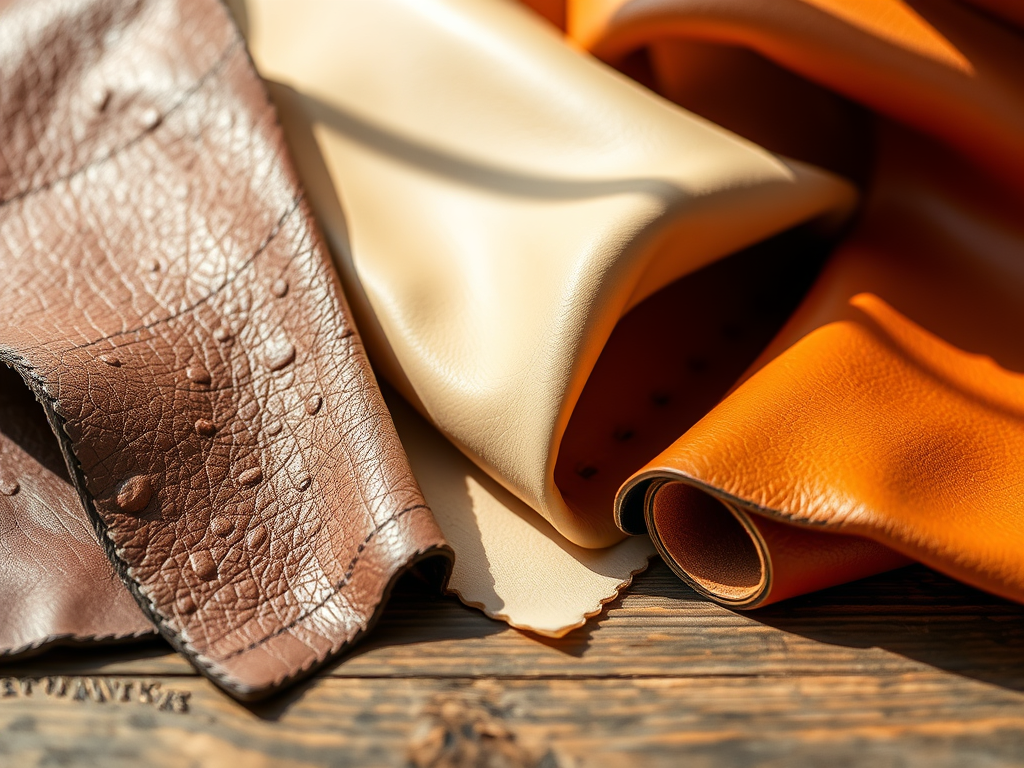
Full-grain leather belts (best)
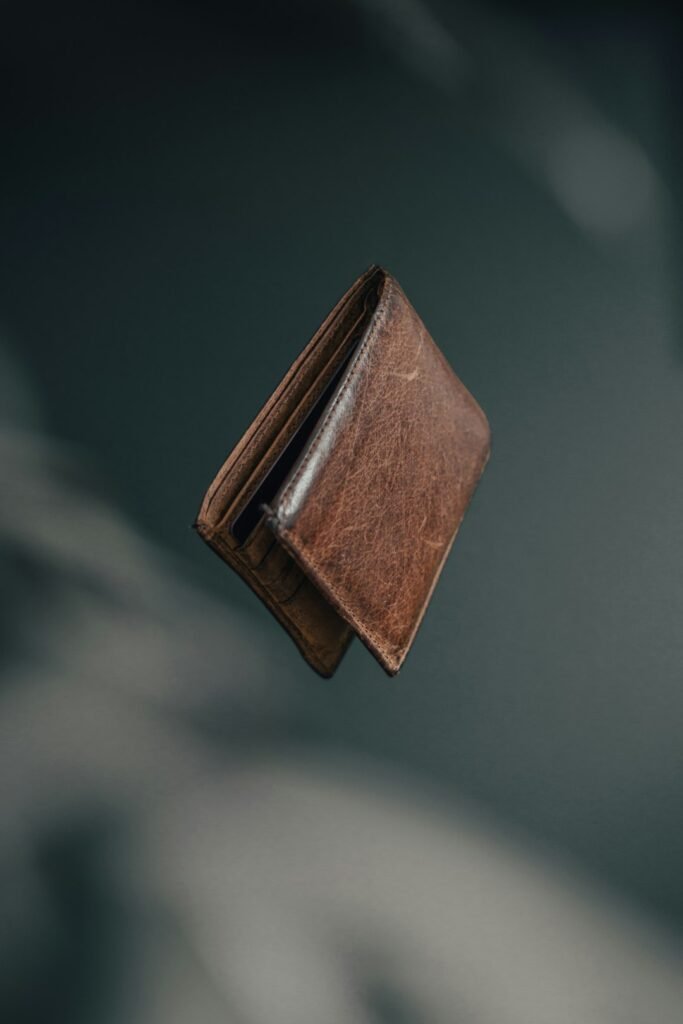
The top layer of the hide with all natural grain intact. Full-grain leather belts develop a rich patina over years of wear, becoming more beautiful as they age. They’re thicker, more durable, and can be reconditioned if they dry out. This is what you’ll find in quality menswear brands and what UnityPureMax uses across our belt collection.
A full-grain leather belt from New Zealand or anywhere should last 10–20+ years with proper care.
Top-grain leather belts (good)
The top layer sanded lightly to remove imperfections, then finished with a protective coating. Still genuine leather, still durable, but won’t develop the same character as full-grain. Common in mid-range belts. Lifespan: 5–10 years.
“Genuine leather” belts (acceptable but not ideal)
Lower-quality leather layers bonded together. Cheaper, less durable, won’t age well. Often found in fast-fashion stores and budget brands. Lifespan: 2–5 years before cracking or peeling.
Bonded leather and PU leather belts (avoid)
Leather scraps glued to fabric (bonded) or plastic-coated fabric (PU). These aren’t real leather in any meaningful sense. They’ll crack, peel, and fall apart within 1–3 years. Not worth buying even if cheap.
Always check the label. If it says “full-grain” or “top-grain” you’re good. If it just says “genuine leather” or “man-made materials,” be cautious.
Buckle Styles — Formal vs Casual
The buckle is the belt’s signature. It should complement the formality of the outfit without dominating it.
Formal buckles
- Frame buckles (rectangular or rounded) — the classic choice for dress belts. Simple, slim, understated.
- Plate buckles — flat metal plates with a prong. Very minimal.
- Finish — brushed silver, gunmetal, or matte black. Avoid shiny gold unless you’re wearing a gold watch.
Casual buckles
- Single-prong buckles — the workhorse of casual belts. Slightly chunkier than dress buckles.
- Double-prong buckles — more rugged, works well with jeans and workwear.
- Finish — antique brass, brushed nickel, aged bronze. Can be slightly larger and more decorative than formal buckles.
Avoid oversized logo buckles, novelty buckles, or anything that draws more attention than your face. The buckle should be functional first, decorative second.
How Should a Leather Belt Fit?
This is surprisingly simple but often overlooked. When you fasten your belt on the middle hole, the tail (the loose end) should extend about 10–15cm past the buckle — long enough to tuck into the first belt loop, but not so long it flaps around awkwardly.
If you’re fastening on the first or last hole, the belt doesn’t fit properly. Belts should have 5 holes as standard, and you should comfortably use the middle one (hole 3) most of the time, with holes 2 and 4 available for slight weight fluctuation.
NZ belt sizing typically runs in increments of 5cm (2 inches). Measure your waist where you actually wear your trousers (not your chest or belly button) and order the corresponding size. If you’re between sizes, go up — leather belts can always be trimmed or punched with an extra hole, but they can’t be stretched longer.
Leather Belt Care NZ — Make It Last Decades
A quality leather belt requires almost no maintenance but rewards the little care you do give it.
- Condition once or twice a year — use the same leather conditioner you’d use on leather shoes and boots. Apply a thin layer, let it absorb, buff off any excess. This keeps the leather supple and prevents cracking.
- Don’t over-tighten — fastening your belt too tight stresses the leather around the buckle and accelerates wear at the holes. Fasten snugly but not aggressively.
- Rotate your belts — if you wear the same belt every day, it doesn’t have time to rest and reshape. Owning 2–3 belts and rotating them extends their life significantly.
- Store properly — hang belts on a hook or roll them loosely. Never fold them sharply or leave them twisted in a drawer — this causes permanent creases.
- Keep away from water — leather belts aren’t as vulnerable as shoes (they’re not on the ground) but prolonged moisture exposure still damages them. If your belt gets wet, let it air-dry naturally away from heat.
With proper care, a full-grain leather belt from UnityPureMax or any quality brand should outlast a dozen cheap belts and look better every year.
Common Leather Belt Mistakes in NZ (and How to Avoid Them)
1. Wearing a brown belt with black shoes (or vice versa)
This is the #1 belt mistake and it’s instantly visible. Black shoes need a black belt. Brown shoes need a brown belt. No exceptions in formal or business settings.
2. Buying the wrong width for the occasion
A thick 5cm workwear belt with a suit looks ridiculous. A slim 2.5cm dress belt with jeans looks weedy. Match the belt width to the formality and the trouser style.
3. Fastening on the first or last hole
The belt doesn’t fit. The middle hole (hole 3 of 5) should be your default. Anything else and you need a different size.
4. Buying cheap belts that crack and peel
Bonded leather and PU belts are false economy. They look fine for 6 months, then fall apart. A $40 belt that lasts 1 year costs you $400 over a decade. A $120 full-grain belt that lasts 15 years costs you $8 per year. Do the math.
5. Not conditioning the leather
Leather dries out over time, especially in NZ’s variable climate (wet winters, strong UV in summer). A quick condition twice a year keeps your belt supple and extends its life by years.
How Many Belts Do You Actually Need?
For most Kiwi men, three belts cover every situation:
- Black dress belt — 3cm width, full-grain leather, simple rectangular buckle. For suits, formal events, business wear with black shoes.
- Brown casual belt — 3.5–4cm width, full-grain leather, single-prong buckle in antique brass or brushed nickel. Your everyday workhorse. Pairs with chinos, dark jeans, brown shoes, tan loafers, leather boots.
- Tan/light brown belt (optional) — for summer, lighter trousers, and tan or caramel-coloured footwear.
If you rarely wear suits, skip the black dress belt and double down on quality casual brown belts. If you work in a formal environment, invest in both black and dark brown dress belts.
Where to Buy Quality Leather Belts in NZ
Quality matters more than brand names. Look for belts made from full-grain or top-grain leather with solid construction — the leather should be a single thick piece, not multiple thin layers glued together.
At UnityPureMax, our leather belt collection is crafted from genuine full-grain leather — the same quality leathers we use in our footwear. Every belt is designed to match our boots, shoes, and loafers, so you can build a cohesive, well-matched wardrobe.
Whether you need a black dress belt for Auckland business meetings, a versatile brown casual belt for Christchurch weekends, or a rugged leather belt to pair with work boots on a Queenstown site, investing in genuine leather means you’re buying once, not replacing every couple of years.
Browse the full UnityPureMax leather accessories collection and find belts that match the quality of your footwear.

One thought on “Leather Belt Buying Guide NZ — How to Match Your Belt to Your Shoes”