🎉 Free Shipping on Orders Over $100 | ✨ New Arrivals Just Added


Tabi Sneakers, Loafers & Boots: The Complete Style Guide

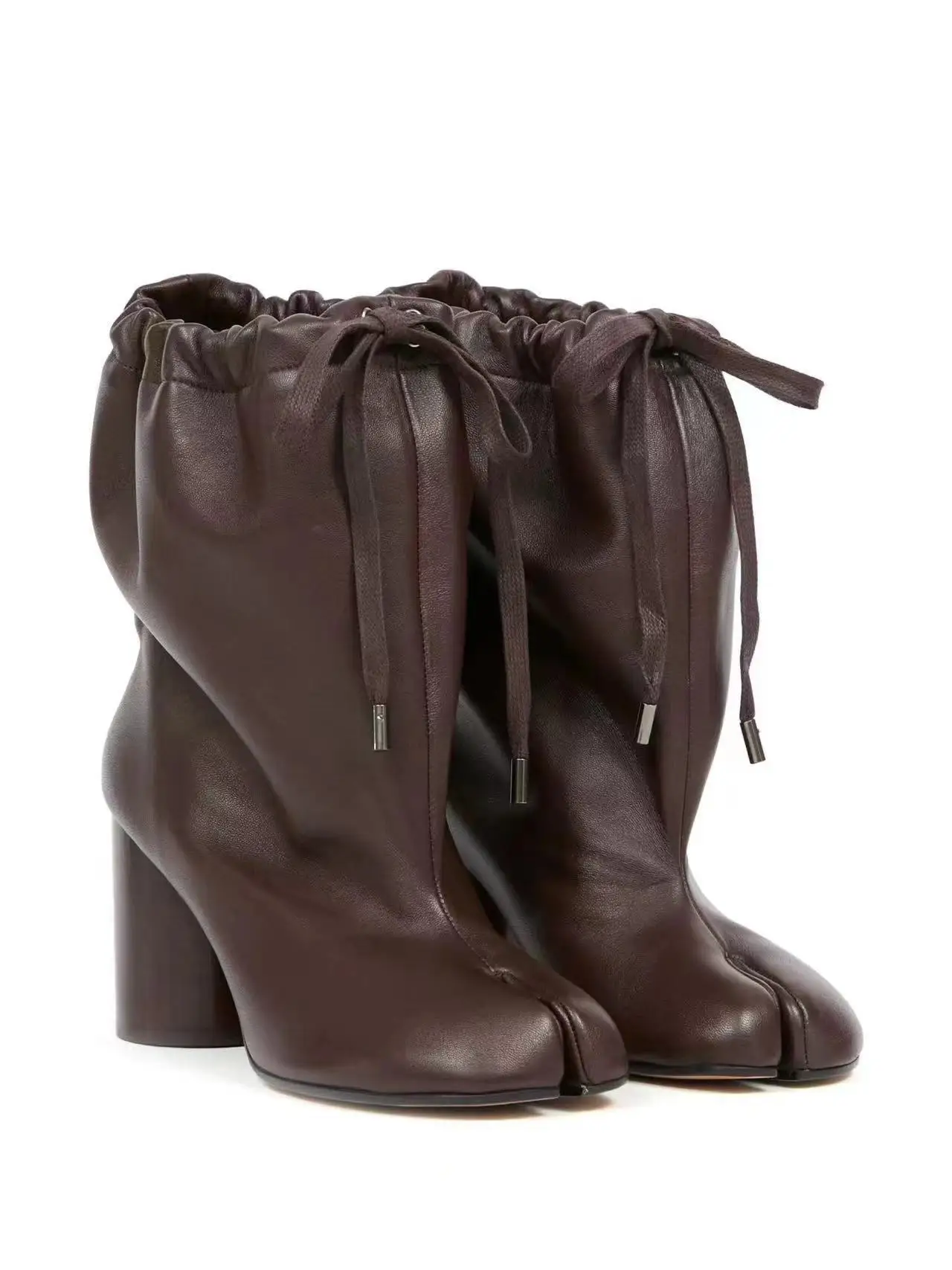
Tabi Sneakers, Loafers & Boots: The Complete Style Guide
Discover the ultimate guide to tabi sneakers, loafers, and boots—the unique footwear that blends traditional Japanese craftsmanship with modern style. Whether you’re looking for comfort, fashion, or both, tabi footwear offers something special for every wardrobe.
What Are Tabi Sneakers? Understanding the Japanese Footwear Trend
Tabi sneakers are a modern take on traditional Japanese tabi shoes, featuring the signature split-toe design that separates the big toe from the other four toes. This unique silhouette has become a major fashion statement, blending cultural heritage with contemporary street style.
Originally worn in Japan for martial arts and traditional dress, tabi footwear has evolved into a versatile fashion piece. Today’s tabi sneakers combine comfort, aesthetic appeal, and cultural significance—making them perfect for fashion-forward individuals who want to stand out.
Why Tabi Sneakers Are Taking Over Fashion
- Unique Design: The split-toe silhouette is instantly recognizable and conversation-starting
- Comfort: The toe separation provides natural toe spacing and improved circulation
- Versatility: Tabi sneakers work with casual, streetwear, and even elevated fashion looks
- Cultural Appeal: They celebrate Japanese heritage while being contemporary and modern
- Quality Craftsmanship: Premium tabi sneakers are handcrafted with attention to detail
Styling Guide: How to Wear Tabi Sneakers with Confidence
Casual Streetwear Look
Pair your tabi sneakers with relaxed-fit jeans, an oversized t-shirt, and a lightweight jacket. The unique footwear becomes the focal point, so keep the rest of your outfit simple and neutral. This look is perfect for everyday wear and makes a bold fashion statement.
Elevated Casual
For a more refined take, style tabi sneakers with tailored trousers or an A-line skirt. Add a crisp button-up or minimal sweater to create an unexpected contrast. This approach shows that tabi sneakers can work in more polished settings while still maintaining their distinctive edge.
Artistic & Creative Styling
Embrace the artistic nature of tabi sneakers by pairing them with bold patterns, mixed textures, and vintage pieces. Layer oversized blazers, cargo pants, and statement accessories. This style celebrates the avant-garde appeal of tabi footwear.
Tabi Loafers: The Sophisticated Alternative
If you prefer a more refined aesthetic, tabi loafers offer the same unique split-toe design with added elegance. Perfect for both professional and casual settings, tabi loafers bridge the gap between traditional and contemporary style.
Our collection of tabi loafers features premium leather construction and meticulous craftsmanship. Wear them with tailored trousers, midi skirts, or dress pants for an understated yet impactful look.
Tabi Boots: Year-Round Comfort and Style
For those seeking maximum versatility, men’s tabi boots and women’s tabi boots deliver both style and functionality. These statement pieces work with virtually any outfit and provide the comfort of the signature tabi design with added ankle support.
Whether you choose sleek leather tabi boots or textured suede options, these footwear pieces elevate any wardrobe instantly. Layer them with oversized sweaters, leather jackets, or maxi skirts for maximum impact.
Tabi Sneakers vs. Other Tabi Styles: Which Is Right for You?
Tabi Sneakers
Best for: Casual wear, streetwear, everyday style
Comfort: Exceptional cushioning and flexibility
Versatility: Works with jeans, joggers, and creative layering
Tabi Loafers
Best for: Work, elevated casual, semi-formal occasions
Comfort: Refined support with classic appeal
Versatility: Professional settings and polished casual looks
Tabi Boots
Best for: Seasonal wear, statement outfits, all-day wear
Comfort: Ankle support with the tabi advantage
Versatility: Dresses, skirts, pants, and everything in between
Caring for Your Tabi Sneakers and Tabi Footwear
To keep your tabi sneakers and other tabi footwear looking pristine:
- Regular Cleaning: Wipe down with a soft, damp cloth after each wear
- Leather Care: Use leather conditioner monthly to maintain suppleness and shine
- Dry Properly: Air dry naturally, never in direct heat or sunlight
- Storage: Store in a cool, dry place with shoe trees to maintain shape
- Professional Maintenance: Consider professional cleaning for stubborn stains
Explore Our Full Footwear Collection
Beyond tabi sneakers, UNITYPUREMAX offers a diverse range of premium handcrafted footwear to suit every style and occasion:
- Men’s dress shoes – Classic styles with modern appeal
- Men’s boots – Rugged durability meets refined design
- Women’s shoes – From boots to casual footwear
- Men’s sandals – Perfect for warm weather styling
- Women’s sandals – Comfortable and stylish season after season
- Men’s clogs & mules – Easy slip-on comfort
- Women’s clogs & mules – Effortless style for everyday wear
Why Choose UNITYPUREMAX for Your Tabi Sneakers
At UNITYPUREMAX, every pair of tabi sneakers is handcrafted with premium materials and meticulous attention to detail. Here’s what sets our tabi footwear apart:
- 100% Handcrafted: Each pair is made by skilled artisans using traditional techniques
- Premium Materials: Italian leather, horsehide, and suede for lasting quality
- Authentic Design: We honor the tabi tradition while embracing modern aesthetics
- Exceptional Comfort: The signature split-toe design benefits from our expert construction
- Lifetime Investment: Tabi sneakers that improve with age and wear
Shop Tabi Sneakers and Complete Your Wardrobe
Ready to embrace the tabi trend? Explore our complete collection of tabi sneakers, loafers, and boots today. Each piece is a statement—a fusion of Japanese heritage and contemporary fashion that celebrates individuality and style.
FAQs About Tabi Sneakers
Are tabi sneakers comfortable for everyday wear?
Absolutely! Tabi sneakers from UNITYPUREMAX are designed for comfort. The split-toe design provides natural toe spacing, and premium materials ensure all-day wearability.
How do I style tabi sneakers with formal outfits?
While tabi sneakers are primarily casual, you can elevate them by pairing with tailored pieces like dress trousers or midi skirts. The key is balancing the boldness of the tabi design with refined accessories.
What’s the difference between tabi sneakers and regular sneakers?
The main difference is the split-toe design of tabi sneakers. This unique feature not only provides comfort benefits but also makes them a distinctive fashion statement that regular sneakers can’t match.
Can men and women both wear tabi sneakers?
Yes! Tabi sneakers are a unisex trend. Both men and women can embrace this style with confidence. UNITYPUREMAX offers designs for everyone.
How long do quality tabi sneakers last?
Premium tabi sneakers made with quality materials and craftsmanship can last for years with proper care. UNITYPUREMAX’s handcrafted tabi sneakers are built to be lifelong investments.
Conclusion: Embrace the Tabi Sneaker Revolution
Tabi sneakers represent more than just a footwear trend—they’re a celebration of cultural heritage, craftsmanship, and individual style. Whether you’re drawn to the comfort, the aesthetics, or the fashion statement, tabi footwear offers something truly special.
At UNITYPUREMAX, we’re committed to creating the finest tabi sneakers and tabi footwear available. Each pair tells a story of dedication, quality, and timeless style. Discover your perfect pair today and join the growing community of tabi enthusiasts around the world.