🎉 Free Shipping on Orders Over $100 | ✨ New Arrivals Just Added


The Complete Exotic Leather Care Guide: Crocodile, Ostrich, and Hair-On


The Complete Exotic Leather Care Guide: Crocodile, Ostrich, and Hair-On
This exotic leather care guide covers everything you need to protect and preserve crocodile, ostrich, and hair-on leather footwear and accessories — materials that reward careful maintenance with decades of wear. Exotic leathers behave differently from standard cowhide, and treating them the same way you’d treat a calfskin dress shoe can flatten texture, dull finish, or shorten the life of a piece that was never cheap to begin with. At UNITYPUREMAX™, every exotic leather product we sell is built to last a lifetime with the right care, and this guide is the reference we point customers to — covering boots, belts, and bags alike.
Why Exotic Leathers Need Different Care Than Standard Leather
Standard cowhide is tanned and finished to be forgiving — it can absorb conditioner, take a brush, and shrug off the occasional scuff. Exotic leathers are structurally different, and the difference starts at the tanning stage. Crocodile and alligator skins are tanned to preserve the bony scute structure beneath each scale, which means the surface has natural ridges and channels that trap moisture and product differently than flat cowhide.
Ostrich skin is tanned around dozens of raised follicle points per square inch — the “quill” texture — and each of those points is a slightly thinner, more porous section of hide than the leather surrounding it. Hair-on leathers aren’t fully tanned into a stiff hide at all; the hair follicle layer is preserved intact, which means the piece behaves partly like a garment and partly like a hide.
What this means practically: the same conditioner, the same cleaning motion, and the same storage habits that work fine on a cowhide dress shoe can cause real, sometimes irreversible damage on exotic leather. Over-saturating crocodile can cause scales to lift at the edges. Scrubbing ostrich can wear down quill points until they flatten and lose definition. Conditioning hair-on leather can mat the hair permanently. The goal of everything below is protecting the specific structural feature that makes each of these materials valuable in the first place.
Crocodile Exotic Leather Care Guide
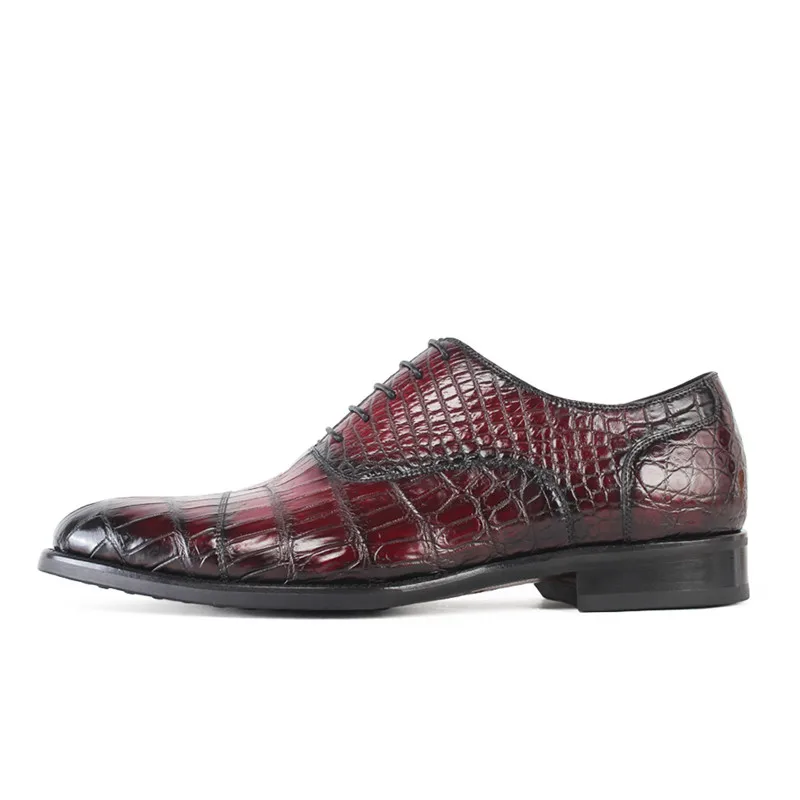
Crocodile leather’s scale pattern is its defining feature, and every part of the care routine should protect that pattern rather than soften or flatten it.
Daily and after-wear care. Wipe crocodile leather with a soft, dry microfiber cloth after each wear to remove surface dust, oils, and light debris before they settle into the scale channels. Do this while the leather is still slightly warm from wear — it lifts surface residue more easily than once the leather has fully cooled. Pay particular attention to the channels between scales, where dust tends to accumulate; a soft-bristled horsehair brush can reach these areas without scratching the scale surface.
Cleaning. Avoid saturating crocodile leather with water or standard shoe cream. Both can seep into the channels between scales and cause lifting, warping, or discoloration at the scale edges over time — damage that’s difficult to reverse. If a piece needs more than a dry wipe, use a barely damp cloth (not wet) and dry immediately with a separate dry cloth, working with the grain of the scale pattern rather than against it.
Conditioning. Condition crocodile leather no more than twice a year, using a conditioner formulated specifically for exotic skins — never a generic all-purpose leather cream. Apply sparingly with a soft cloth in small circular motions, and always test on an inconspicuous area (like the inside of a boot shaft or the underside of a belt) first, since some conditioners can darken crocodile leather permanently. Less is more here; a thin, even layer absorbs fully within minutes, while excess product sits on the surface and attracts dust.
Storage. Store crocodile leather goods away from direct heat and sunlight, both of which cause the natural oils in the scales to evaporate faster than the conditioning routine can replace them, leading to dry, cracking edges. A closet or drawer between roughly 60-75°F with moderate humidity is ideal — avoid attics, garages, or anywhere with temperature swings.
Ostrich Leather Care
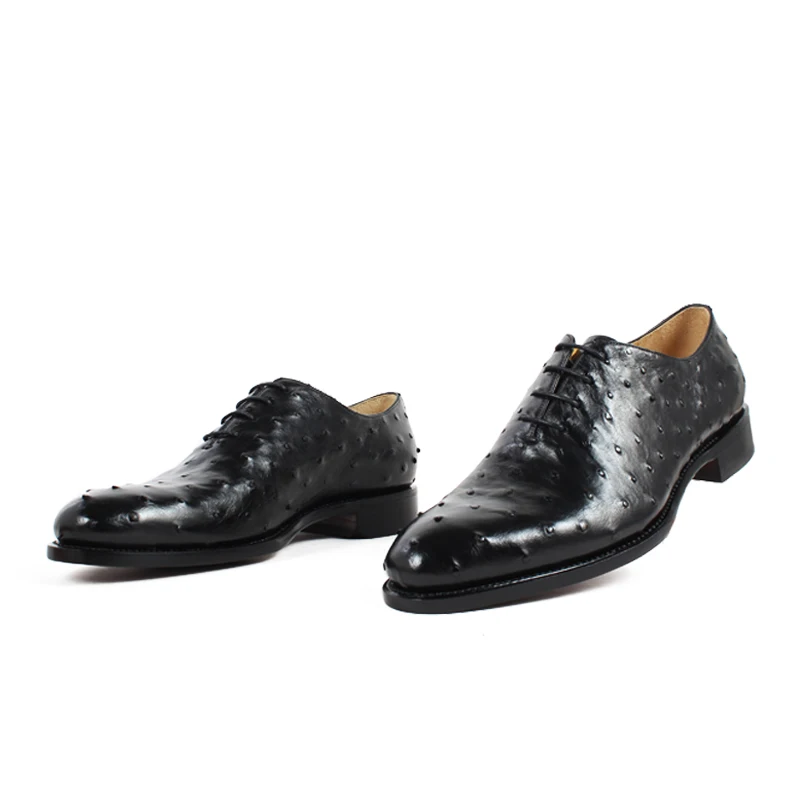
Ostrich leather’s quill-point texture is created by the follicles where feathers once grew, and this texture is structurally more delicate than the smoother leather surrounding it, requiring a more careful hand than crocodile care.
Dusting and cleaning. Dust ostrich leather regularly — ideally after every couple of wears — with a soft brush or microfiber cloth, moving gently across the quill points rather than scrubbing directly over them. The quill points sit slightly raised from the surrounding leather, which means they take the brunt of surface contact and wear fastest if handled roughly.
Moisture management. Keep moisture away from the quill areas specifically. Because the follicle points are more porous than the surrounding hide, they absorb liquid unevenly, which can cause localized swelling, discoloration, or a permanently uneven texture where some points sit higher than others. If ostrich leather gets caught in rain, blot (never rub) excess moisture immediately and let it air dry fully away from direct heat before wearing again.
Conditioning technique. When conditioning ostrich leather, apply product to the smoother sections of the hide first, working outward, and use minimal product directly on or around the quill points. Some specialists recommend applying conditioner to a cloth first rather than directly to the leather, giving you more control over how much reaches the more delicate quill areas.
Wear rotation. Rotate ostrich leather footwear rather than wearing it on consecutive days. This gives the leather time to fully dry out and rest between wears, reducing the flex stress that accumulates at quill points with repeated bending — a major factor in how long the texture stays crisp and well-defined.
Hair-On Leather Care
Hair-on leathers — zebra, pony, and similar exotic hair-on hides — are cared for more like a natural textile than a traditional tanned hide, and the care routine reflects that fundamental difference.
Brushing. Brush hair-on leather gently in the direction of hair growth using a soft-bristled brush, ideally one designed for delicate fabrics or animal coats rather than a standard shoe brush. Never brush against the grain — this can loosen individual hairs at the root and create bald patches over time that cannot be repaired.
What to avoid entirely. Avoid conditioners, creams, and oils on hair-on leather completely. These products are formulated to penetrate and soften tanned leather fiber, but hair-on pieces retain an intact hair layer that these products aren’t designed to interact with — the result is often a matted, greasy-looking coat rather than a conditioned one. Similarly, avoid steam or heat styling tools some people use on faux fur, which can damage the hide beneath the hair.
Sunlight and color. Keep hair-on pieces away from prolonged direct sunlight. UV exposure fades hair-on leather unevenly, since different parts of a garment or accessory typically receive different amounts of light exposure over time, and once faded, the color cannot be restored. Rotate storage position periodically if a piece is displayed rather than stored in a closed space.
If it gets wet. If a hair-on piece gets wet, air dry it away from direct heat sources like radiators or hair dryers, which can shrink or stiffen the hide beneath the hair. Once fully dry, brush gently to restore the coat’s natural lay and separate any hairs that dried matted together.
Product-Specific Care Notes
Care principles shift slightly depending on what the exotic leather piece actually is.
Boots. Use cedar shoe trees immediately after each wear, while the leather is still slightly warm and pliable — this helps the boot hold its shape and the cedar absorbs residual moisture from wear. Rotate between at least two pairs if worn regularly, since exotic leather boots benefit even more than standard leather from rest days between wears.
Belts. Belts flex constantly at the same point near the buckle, which makes that section more prone to surface cracking over time on crocodile and ostrich belts specifically. Check this flex point periodically for early signs of dryness and condition it slightly more attentively than the rest of the strap if needed — but still within the twice-a-year overall guideline.
Bags. Bags carry more risk of contact with hard surfaces (being set down on floors, counters, car seats) than boots or belts, which makes corner and base protection a priority. Avoid setting exotic leather bags directly on rough or wet surfaces, and store them stuffed with acid-free tissue paper to hold shape during periods of non-use.
Seasonal Care Considerations
Exotic leather care needs shift somewhat with the seasons. In humid summer months, increase the frequency of dry-cloth wipes to manage moisture and check stored pieces periodically for any sign of mildew, particularly hair-on leather. In dry winter months, indoor heating can accelerate moisture loss from crocodile and ostrich leather faster than usual — this is often when the twice-yearly conditioning is best timed, rather than doing both applications back-to-back earlier in the year.
When to See a Professional
Some situations are better handled by a leather restoration specialist than at home. Deep scratches or gouges in crocodile scales, water stains that don’t lift with careful blotting, significant color fading on hair-on leather, or any structural damage near stitching or a Goodyear welt are all cases where a specialist familiar with exotic skins will get a better result than DIY treatment — and can prevent a fixable problem from becoming permanent damage.
What to Avoid With Exotic Leather
A short list of habits causes the majority of avoidable exotic leather damage. Skip generic all-purpose leather cleaners, which are formulated for cowhide and are frequently too harsh for exotic textures. Never use a stiff-bristled brush on crocodile, ostrich, or hair-on leather — soft-bristled or microfiber only, always. Avoid DIY waterproofing sprays unless a product specifically states it’s safe for the exact exotic leather type in question, since many contain solvents that degrade natural finishes and can discolor scales or quill points. And resist the instinct to condition frequently just because a piece is expensive — exotic leathers need far less product than standard leather, and over-conditioning remains one of the most common causes of premature wear across all three material types.
Ready to shop the collection this guide protects? Explore our Handmade Leather Bags →, Men’s Belts →, and Men’s Tabi Boots → featuring crocodile, ostrich, and hair-on exotic leathers built to last with proper care.
Why Choose UNITYPUREMAX™
We don’t just sell exotic leather — we stand behind how long it lasts. Every crocodile, ostrich, and hair-on piece in our catalog is sourced and confirmed before it becomes a listing, built on Goodyear welt construction where applicable, and finished by artisans who understand these materials require a different hand than standard cowhide. This care guide reflects the same standard we hold for our own workshop: patience over shortcuts, and materials treated with the respect their rarity deserves.
Frequently Asked Questions
1. How often should I condition exotic leather?
No more than twice a year for crocodile and ostrich, ideally timed for drier winter months. Hair-on leather should not be conditioned at all — brushing is sufficient.
2. Can I use regular leather conditioner on crocodile or ostrich leather?
No. Use a conditioner formulated specifically for exotic skins, and always test on an inconspicuous area first, since some products can darken exotic leather permanently.
3. What’s the biggest mistake people make caring for exotic leather?
Over-conditioning. Exotic leathers need far less product than standard cowhide, and too much can soften texture, attract dust, and cause discoloration.
4. How do I clean crocodile leather without damaging the scales?
Wipe with a soft, dry microfiber cloth after each wear, working with the grain of the scale pattern. Avoid water and standard shoe cream, which can seep into scale channels.
5. Can hair-on leather get wet?
It’s best avoided, but if it happens, air dry away from direct heat and brush gently in the direction of hair growth once fully dry.
6. How should I store exotic leather boots when not wearing them?
Use cedar shoe trees, a breathable dust bag, and a cool, dry location around 60-75°F, away from direct sunlight and humidity extremes.
7. Why shouldn’t I use a stiff brush on exotic leather?
Stiff bristles can damage delicate textures like crocodile scale edges, ostrich quill points, and hair-on coats. Always use soft-bristled or microfiber tools.
8. Does exotic leather need to be waterproofed?
Only with a product specifically formulated for that exotic leather type. Generic waterproofing sprays can contain solvents that degrade natural finishes.
9. How long should exotic leather footwear last with proper care?
With correct care and rotation between at least two pairs, exotic leather footwear can last decades, particularly when paired with Goodyear welt construction that allows resoling.
10. Should I wear exotic leather footwear every day?
No. Rotating exotic leather pieces rather than wearing them daily reduces flex stress at quill points and scale edges, extending the material’s life significantly.
11. Do belts and bags need different care than boots?
The core principles are the same, but belts benefit from extra attention at the constant flex point near the buckle, and bags need protection from contact with hard or wet surfaces at corners and the base.
12. When should I take an exotic leather piece to a professional rather than treat it myself?
Deep scratches, water stains that don’t lift, significant fading, or any damage near stitching or construction points are best handled by a specialist familiar with exotic skins.
Care for What You’ve Invested In
Explore the exotic leather collection at UNITYPUREMAX™ and shop crocodile, ostrich, and hair-on pieces built to reward the care outlined above.
One thought on “The Complete Exotic Leather Care Guide: Crocodile, Ostrich, and Hair-On”