🎉 Free Shipping on Orders Over $100 | ✨ New Arrivals Just Added

Exotic Leather Goodyear Welt: Why Crocodile and Ostrich Boots Need Real Construction

Exotic Leather Goodyear Welt: Why Crocodile and Ostrich Boots Need Real Construction
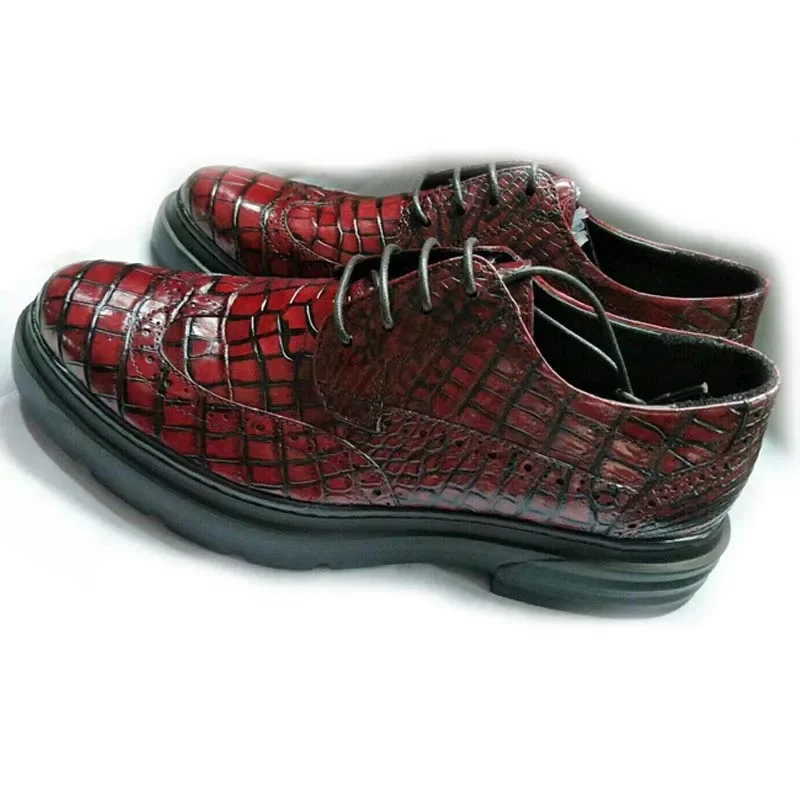
Exotic leather Goodyear welt construction is a combination almost no boot maker actually offers — most crocodile, ostrich, and hair-on leather footwear on the market is built on cemented construction, prioritizing the visual impact of the material over the durability of how it’s put together. That’s a mismatch: exotic leather represents a serious material investment, and pairing it with construction that can’t be resoled undercuts the entire premise of buying it in the first place. At UNITYPUREMAX™, every exotic leather boot we build uses genuine Goodyear welt construction — the same standard we hold for our full-grain leather boots — because the material should never be the reason the construction gets compromised.
Why Exotic Leather and Cemented Construction Don’t Belong Together
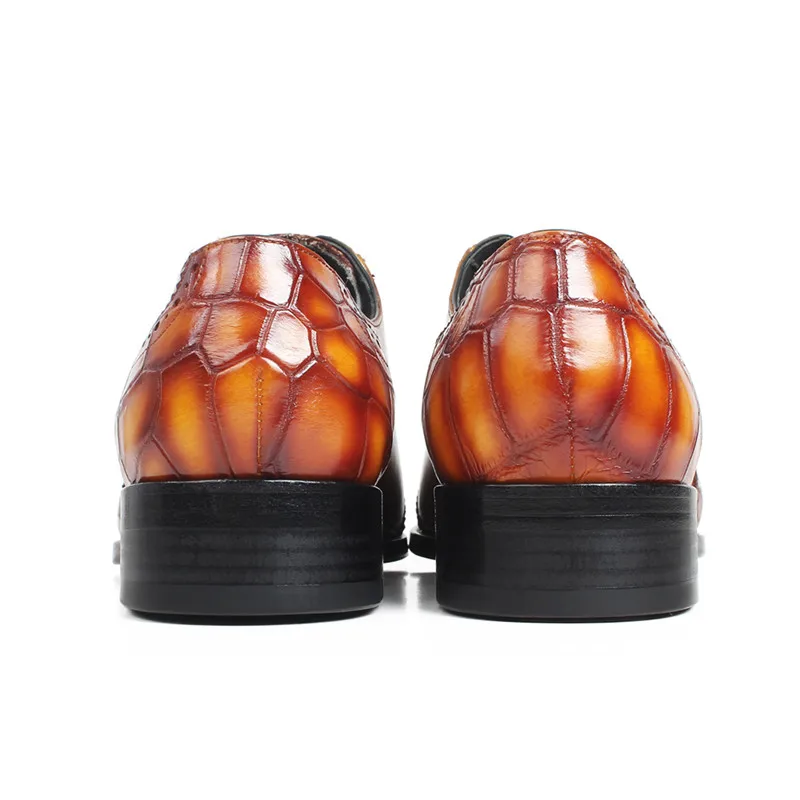
Cemented construction bonds the outsole to the upper with adhesive rather than stitching, and that adhesive bond degrades over time regardless of how well the boot is otherwise cared for. Once it fails, or the outsole wears through, there’s generally no way to resole — the boot gets replaced. For a standard leather boot, that’s a real drawback. For an exotic leather boot, it’s a much bigger problem: crocodile, ostrich, and hair-on leather cost significantly more to source and craft than standard cowhide, and building that investment on a sole that can’t be repaired means the entire boot gets discarded once the cemented bond gives out — material cost and all.
This mismatch is common in the market because cemented construction is faster and cheaper to produce, and many exotic leather boots are priced primarily around the material’s rarity rather than the full construction. The result is boots that look like serious investment pieces but aren’t built to justify that investment over time.
How Goodyear Welt Construction Works — and Why It Matters More on Exotic Leather
Goodyear welt construction stitches a welt (a strip of leather) around the perimeter of the boot, joining the upper, insole, and welt in one seam, with the outsole then stitched to that welt in a separate seam. This structure means that when the outsole eventually wears through, only that outer stitching needs to be removed and replaced — the upper, and the valuable exotic leather itself, is never touched. A crocodile or ostrich boot built this way can go through multiple resoling cycles over 15+ years without the leather that makes it valuable ever needing replacement.
This is the actual argument for paying more for exotic leather footwear: the material cost only makes sense as a long-term investment if the construction supports decades of wear, not just the current sole.
What This Looks Like in Practice on Crocodile and Ostrich Leather
Building Goodyear welt construction on exotic leather requires more precision than on standard cowhide, because the hides themselves are less forgiving. Crocodile leather’s natural scale structure means the welt seam has to be placed carefully to avoid disrupting the scale pattern at the boot’s edge. Ostrich leather’s raised quill points require careful handling during lasting and welting to avoid flattening or damaging the texture near the stitch line. Hair-on leathers need a modified approach entirely, since the welt seam interacts with a material that behaves more like a textile than a conventional hide.
This is part of why exotic leather Goodyear welt construction is rare — it demands more skill than either exotic leather or Goodyear welting alone, and most makers who offer one don’t offer both together.
How to Verify Construction on an Exotic Leather Boot Before Buying
Because exotic leather boots are priced primarily around the material, construction quality is easy to overlook at the point of purchase. A few direct checks: look for a visible stitched welt around the sole’s edge — the same ridge you’d check for on a standard leather boot. Ask specifically whether the maker offers a resoling service for exotic leather pairs; this confirms genuine welt construction rather than a decorative welt-like line over cemented soles. And be skeptical of exotic leather boots priced primarily on the material’s rarity without any mention of construction method at all — that’s often a sign the sole is cemented.
Explore our Men’s Tabi Boots → and full exotic leather range, and see the material care that pairs with this construction standard in our Exotic Leather Care Guide →.
Why We Build This Way
We don’t treat exotic leather as a finish applied to a standard boot — every crocodile, ostrich, and hair-on pair is built from the same Goodyear welt foundation as the rest of our catalog, hand-stitched and finished to be resoled rather than replaced. If the material is going to be a genuine investment, the construction underneath it has to earn that.
Frequently Asked Questions
1. Is Goodyear welt construction common on exotic leather boots? No — most exotic leather footwear on the market uses cemented construction, prioritizing material appearance over long-term durability.
2. Why does construction matter more on expensive exotic leather boots? Because cemented construction typically can’t be resoled, meaning the entire investment in the exotic material is lost once the sole wears out or the bond fails.
3. Can crocodile or ostrich leather boots be resoled? Only if built on genuine Goodyear welt (or Blake stitch) construction. Cemented exotic leather boots generally cannot be properly resoled.
4. Is it harder to build Goodyear welt construction on exotic leather? Yes, it requires more precision than on standard cowhide, particularly around the scale pattern on crocodile or the quill points on ostrich near the welt seam.
5. How can I tell if an exotic leather boot uses Goodyear welt construction? Look for a visible stitched welt around the sole’s edge, and ask directly whether the maker offers resoling on exotic leather pairs.
6. Why are so many exotic leather boots built on cemented construction? It’s faster and cheaper to produce, and many exotic leather products are priced and marketed around material rarity rather than full construction quality.
7. Does UNITYPUREMAX use Goodyear welt on all exotic leather boots? Yes, every crocodile, ostrich, and hair-on boot uses genuine Goodyear welt construction, matching the standard used across our full catalog.
8. How long should a Goodyear welted exotic leather boot last? With proper care and periodic resoling, 15+ years is realistic, since the exotic leather upper is never disturbed during resoling.
9. Does hair-on leather work with Goodyear welt construction? Yes, though it requires a modified approach given the material’s textile-like properties near the welt seam.
10. What’s the biggest mistake buyers make when purchasing exotic leather boots? Focusing entirely on the material’s rarity and price while overlooking construction method — a boot that can’t be resoled undercuts the value of the exotic leather investment.
Built to Last as Long as the Material Deserves
Explore the exotic leather collection and Men’s Tabi Boots → at UNITYPUREMAX™ — genuine Goodyear welt construction applied to crocodile, ostrich, and hair-on leather, so the investment in the material is backed by construction that lasts just as long.