🎉 Free Shipping on Orders Over $100 | ✨ New Arrivals Just Added


How Long Do Handmade Leather Shoes Last? The Complete Care Guide

How Long Do Handmade Leather Shoes Last? Care Guide & Expert Tips
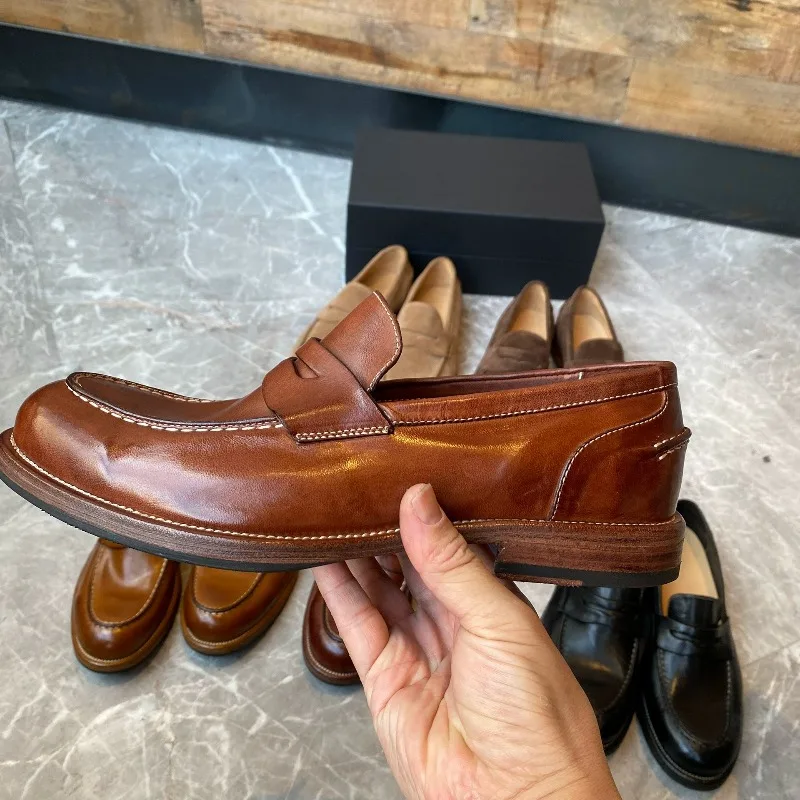
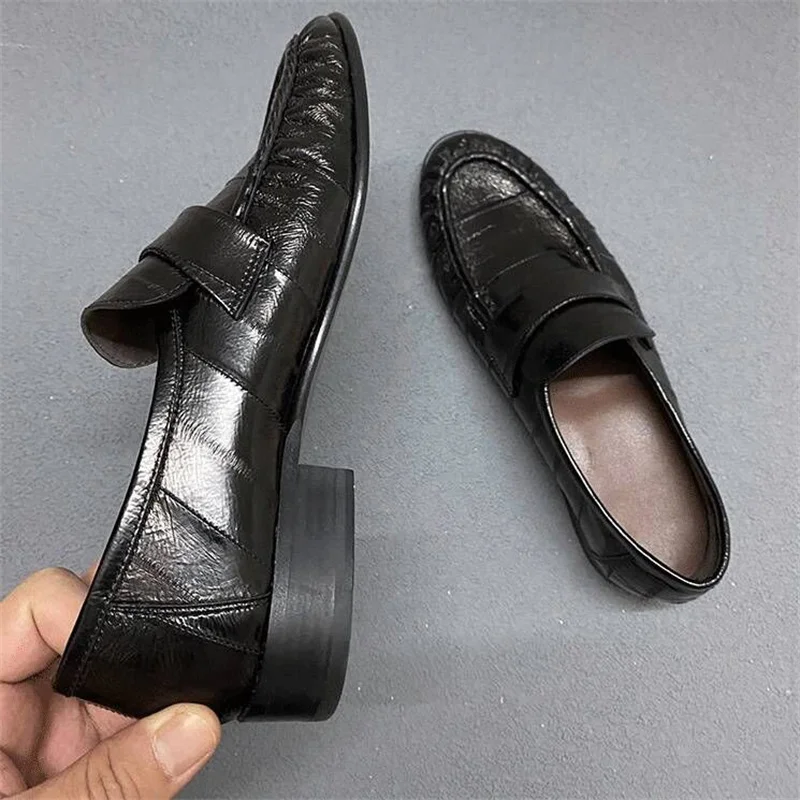
Investing in handmade leather shoes is about more than owning a stylish pair of footwear. It’s about choosing craftsmanship, premium materials, and timeless quality that can serve you for years when properly maintained.
One of the most common questions buyers ask is, “How long do handmade leather shoes last?” The answer depends on several factors, including the quality of the leather, the construction method, how often the shoes are worn, and, most importantly, how well they are cared for.
Unlike mass-produced footwear that often needs replacing after a year or two, handcrafted leather shoes are designed with longevity in mind. With the right care routine, a well-made pair can remain comfortable, elegant, and reliable for many years.
In this guide, we’ll explain what determines the lifespan of handmade leather shoes, how to extend their life, and why quality craftsmanship makes all the difference.
Why Handmade Leather Shoes Last Longer
The lifespan of any shoe begins with how it’s made.
Mass-produced shoes are typically assembled as quickly and economically as possible. Manufacturers often rely on lower-grade leather, synthetic materials, and adhesives that can weaken over time.
Handmade leather shoes take a very different approach.
Experienced artisans carefully select quality leather, cut each panel with precision, and assemble every component with attention to detail. This slower production process results in footwear that offers greater durability, better comfort, and improved structural integrity.
Rather than wearing out after a few seasons, handcrafted shoes are designed to age beautifully, developing a rich patina that reflects years of wear.
The Average Lifespan of Handmade Leather Shoes
Although there isn’t a single number that applies to every pair, high-quality handmade leather shoes typically last many years with proper care.
Several factors influence their longevity:
- Frequency of wear
- Leather quality
- Construction method
- Weather exposure
- Storage habits
- Regular maintenance
Someone who rotates multiple pairs and follows a good care routine will generally enjoy a much longer lifespan than someone who wears the same shoes every day without maintenance.
The key takeaway is that handcrafted leather footwear is built to be an investment rather than a disposable purchase.
Full-Grain Leather Makes a Difference
Not all leather is created equal.
Full-grain leather is considered the highest quality because it retains the natural grain and strongest fibers of the hide. This makes it exceptionally durable while allowing it to develop a beautiful patina over time.
Benefits of full-grain leather include:
- Superior durability
- Better breathability
- Natural flexibility
- Resistance to cracking
- Unique aging characteristics
These qualities make full-grain leather an excellent choice for anyone looking for footwear that will stand the test of time.
Proper Fit Helps Shoes Last Longer
Choosing the correct size doesn’t only improve comfort—it also extends the life of your shoes.
Shoes that are too tight place unnecessary stress on the leather and stitching. Shoes that are too loose create excess movement, increasing friction inside the shoe and accelerating wear.
A proper fit allows the leather to flex naturally while maintaining the shoe’s original shape.
Rotate Your Shoes
One of the easiest ways to extend the life of leather footwear is by avoiding daily wear of the same pair.
Leather absorbs moisture from your feet throughout the day. Giving shoes at least 24 hours to rest allows them to dry naturally and helps preserve both the leather and the interior lining.
Building a small collection of handcrafted footwear for different occasions is a practical way to reduce wear while expanding your wardrobe.
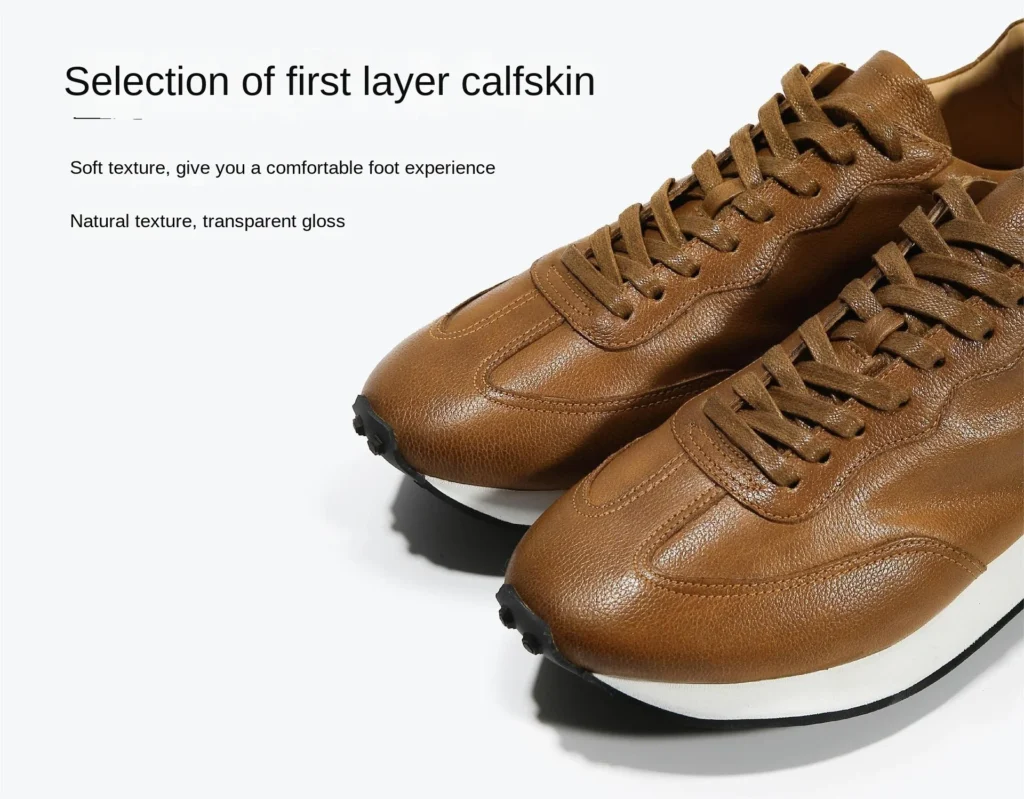
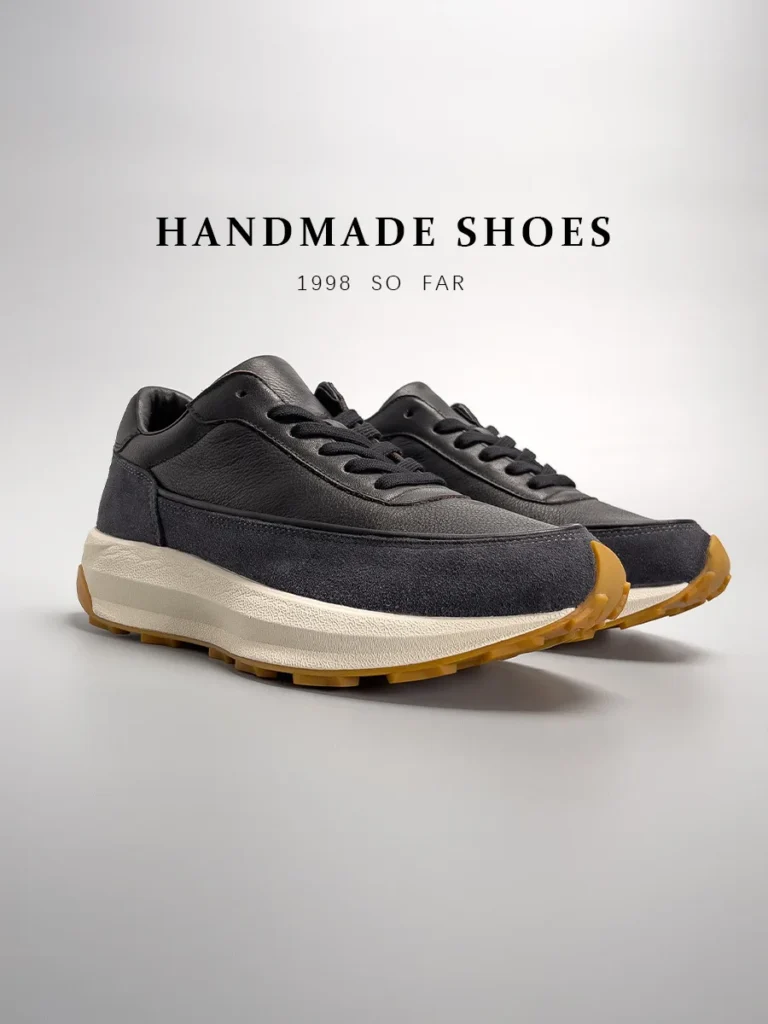
For everyday rotation, many people pair their formal footwear with comfortable Men’s Casual Shoes:
Use Cedar Shoe Trees
Shoe trees are among the most valuable accessories for leather footwear.
Cedar shoe trees help:
- Absorb moisture
- Maintain the shoe’s shape
- Reduce creasing
- Prevent odors
- Extend leather life
Insert them shortly after removing your shoes while the leather is still warm and flexible.
This simple habit significantly improves the appearance of leather over time.
Clean Shoes Regularly
Dust, dirt, and debris gradually damage leather if left untreated.
After each wear:
- Brush away dirt with a soft horsehair brush.
- Wipe the leather with a clean microfiber cloth.
- Remove mud before it dries.
- Allow wet shoes to dry naturally.
Keeping leather clean prevents dirt from becoming embedded in the surface.
Condition the Leather
Leather is a natural material that requires moisture to remain supple.
Without conditioning, leather gradually dries out, leading to stiffness and eventually cracking.
Depending on usage and climate, conditioning every few months helps maintain flexibility and restores essential oils.
Always choose products designed specifically for premium leather footwear and apply them sparingly.
Polish for Protection
Polishing isn’t only about achieving a shine.
Quality polish provides a protective layer against dirt, light moisture, and daily wear while helping preserve the leather’s appearance.
Neutral polish works well for maintaining natural finishes, while colored polish helps restore richness to black and brown leather shoes.
Protect Shoes from Water
Although quality leather can tolerate occasional moisture, prolonged exposure to water can shorten its lifespan.
If your shoes become wet:
- Stuff them lightly with paper.
- Let them dry naturally.
- Avoid direct heat.
- Condition the leather once completely dry.
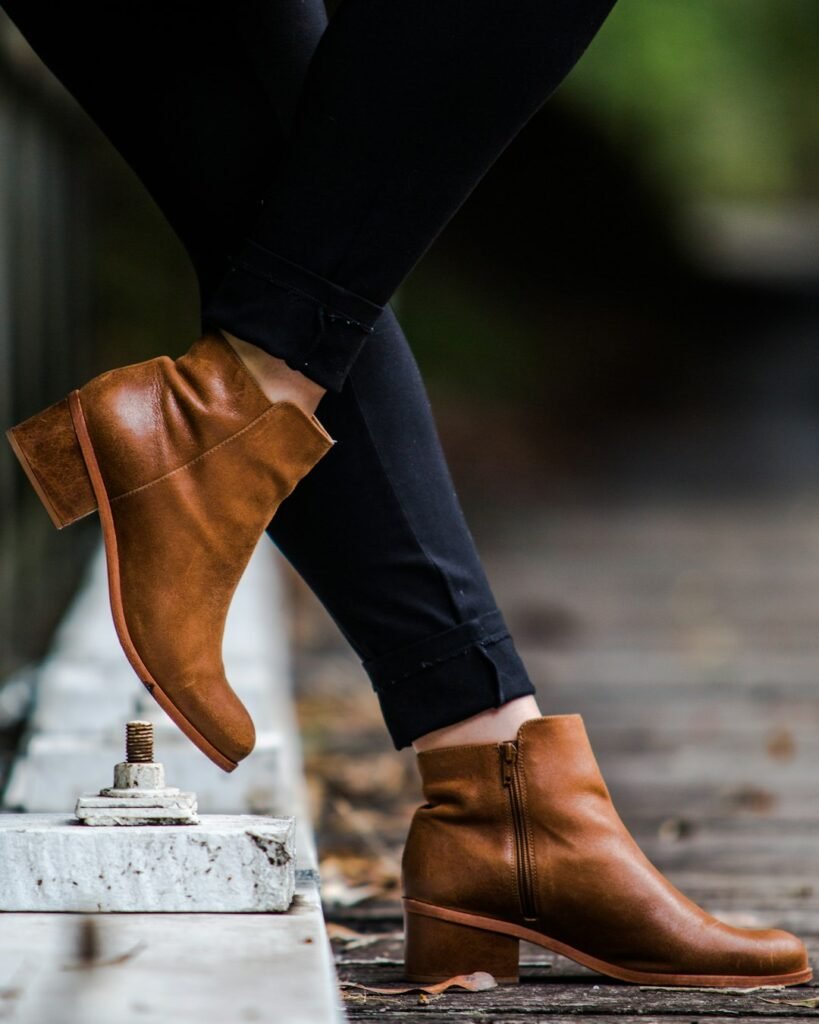
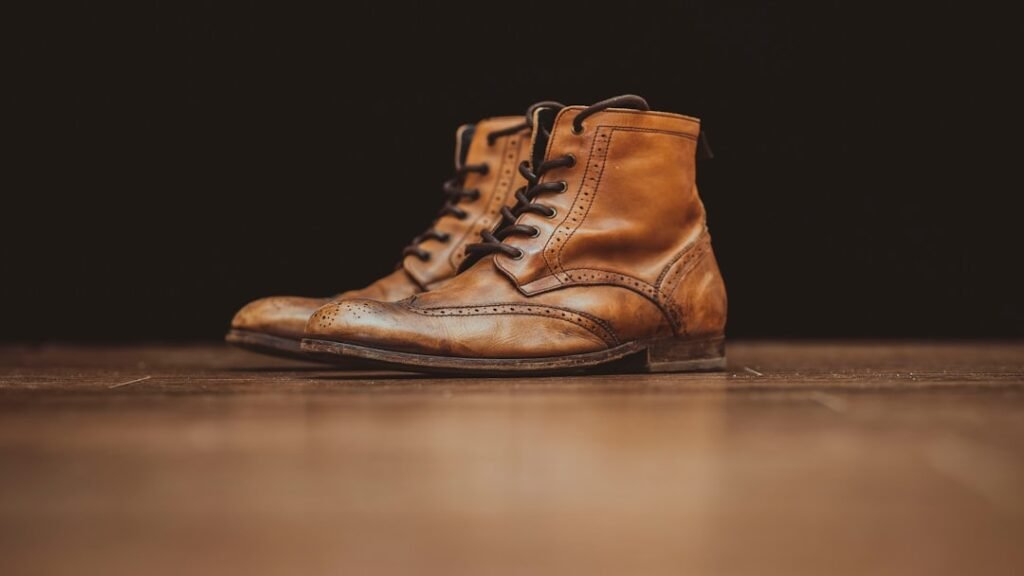
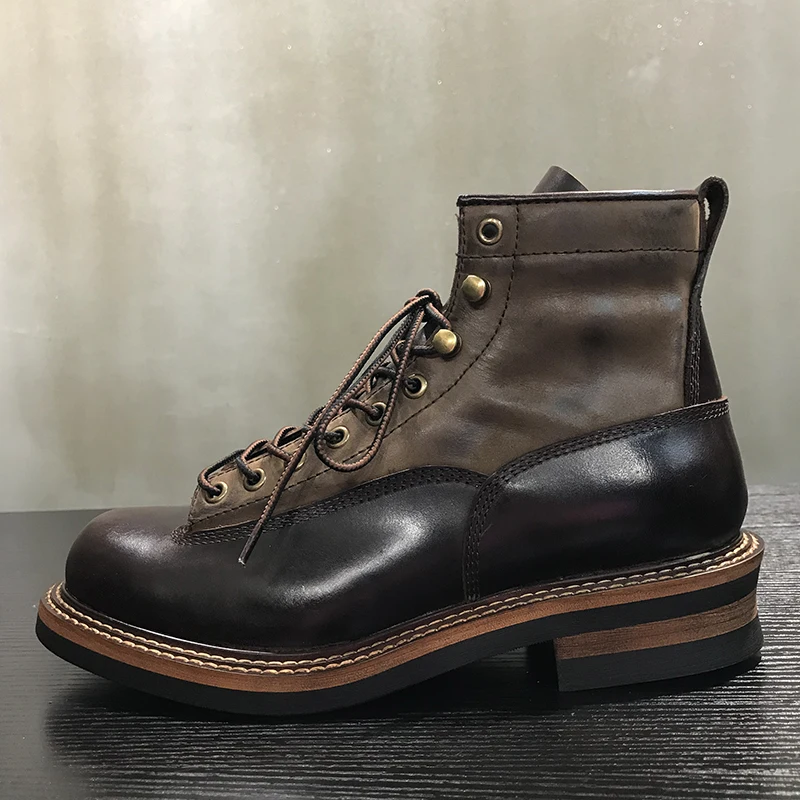
For rainy days or harsher environments, consider rotating with durable Men’s Boots, which are designed for additional protection and support:
Store Shoes Correctly
Proper storage is often overlooked but plays an important role in maintaining leather quality.
Store shoes:
- In a cool, dry place
- Away from direct sunlight
- Inside breathable dust bags
- With shoe trees inserted
Avoid sealed plastic containers, which can trap moisture and encourage mold.
Quality Construction Matters
Premium materials alone aren’t enough.
Construction methods also determine how well shoes withstand years of use.
Characteristics of well-made handcrafted footwear include:
- Precise stitching
- Balanced construction
- Carefully finished edges
- Durable leather uppers
- Quality outsoles
Attention to these details allows the shoe to perform consistently over time while maintaining its appearance.
When Should Leather Shoes Be Replaced?
Even well-maintained shoes eventually show signs of age.
Consider professional repair—or replacement—if you notice:
- Severe cracking
- Torn leather
- Structural collapse
- Broken stitching beyond repair
- Excessive outsole wear
Fortunately, quality handcrafted footwear often ages gradually, giving owners many years of dependable wear before major repairs become necessary.
Building a Long-Lasting Leather Footwear Collection
Many enthusiasts gradually build a collection suited to different occasions.
A versatile wardrobe might include:
- Derby shoes for everyday business wear
- Oxford shoes for formal occasions
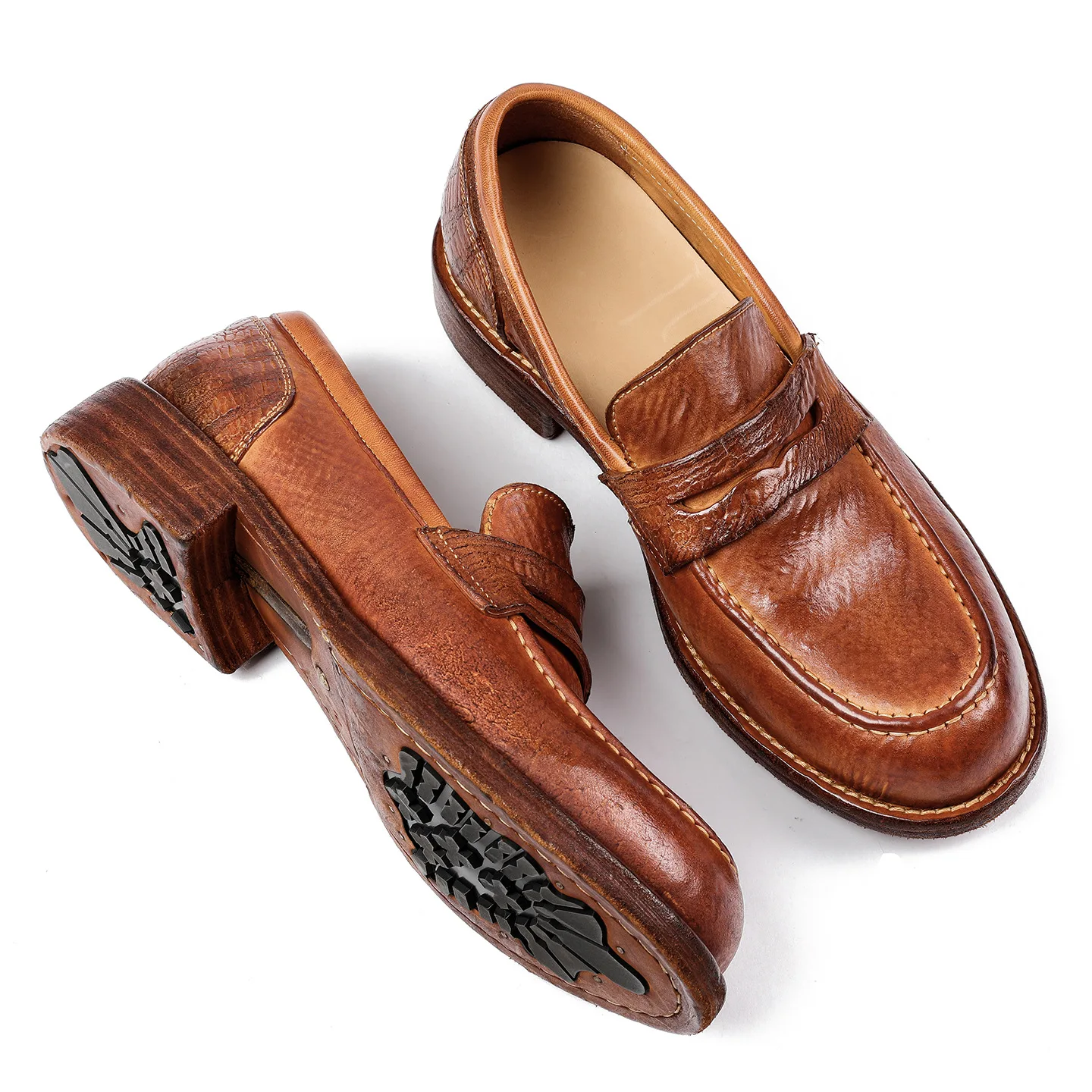
- Loafers for relaxed elegance
- Chelsea boots for cooler months
Adding versatile Chelsea Boots provides another durable option that pairs effortlessly with both casual and smart outfits:
Continue Learning
Want to understand the differences between two of the most iconic dress shoe styles? Read our guide, “Handmade Leather Derby Shoes vs Oxford Shoes: Which Is Better for Everyday Wear?” to learn which style best suits your wardrobe and lifestyle.
Frequently Asked Questions
How long do handmade leather shoes last?
With premium materials and proper care, handmade leather shoes can provide many years of reliable wear while developing a beautiful natural patina.
Do handmade leather shoes last longer than factory-made shoes?
Generally, yes. High-quality materials and careful craftsmanship often result in greater durability and a longer usable lifespan.
How often should leather shoes be conditioned?
Most leather shoes benefit from conditioning every few months, though the exact frequency depends on climate and how often they are worn.
Should leather shoes be worn every day?
It’s best to rotate between pairs to allow the leather to dry and recover between wears.
Is full-grain leather worth the investment?
Yes. Full-grain leather is known for its durability, natural beauty, and ability to improve with age when properly maintained.
Final Thoughts
Handmade leather shoes are more than a purchase—they’re an investment in craftsmanship, comfort, and timeless style. While no shoe lasts forever, choosing premium materials and following a consistent care routine can dramatically extend their lifespan.
Simple habits such as rotating your footwear, using cedar shoe trees, cleaning after each wear, conditioning the leather, and storing your shoes properly all contribute to years of dependable performance.
Quality handcrafted footwear rewards patience. As the leather softens and develops character, your shoes become uniquely yours, telling a story through every crease and every step. With thoughtful care, a well-made pair of handmade leather shoes can remain one of the most reliable and rewarding pieces in your wardrobe for years to come.
Looking to learn more? Read our guide on “Handmade Leather Derby Shoes vs Oxford Shoes: Which Is Better for Everyday Wear?” to discover more insights into handcrafted leather footwear and timeless style.