🎉 Free Shipping on Orders Over $100 | ✨ New Arrivals Just Added


Best Shoes for NZ Winter 2026 — Warmth, Style & Leather Quality

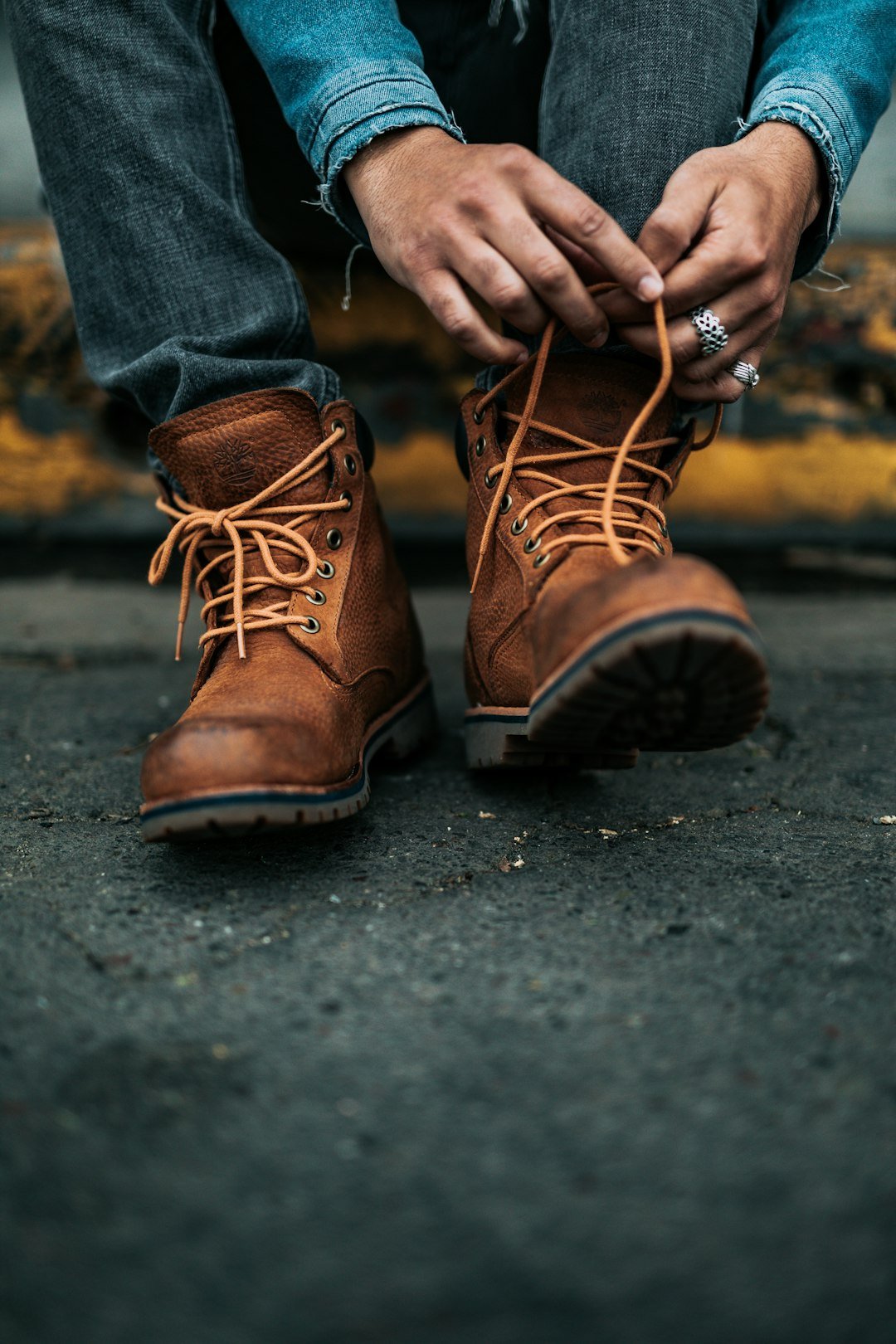
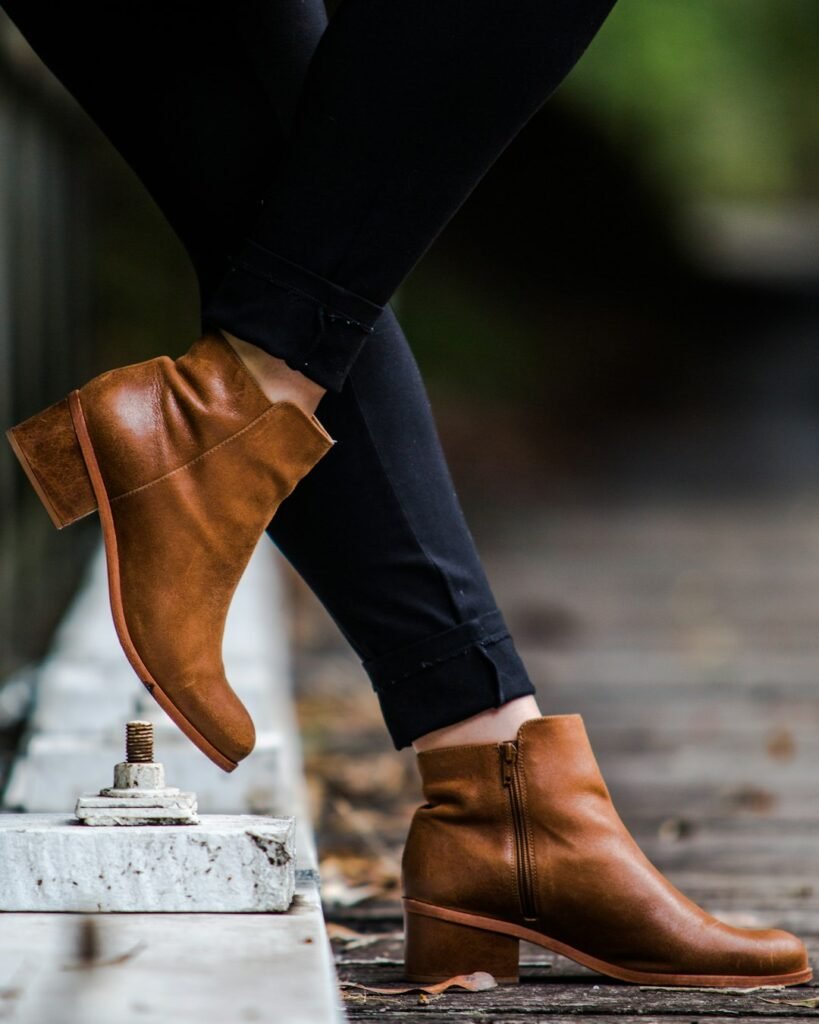
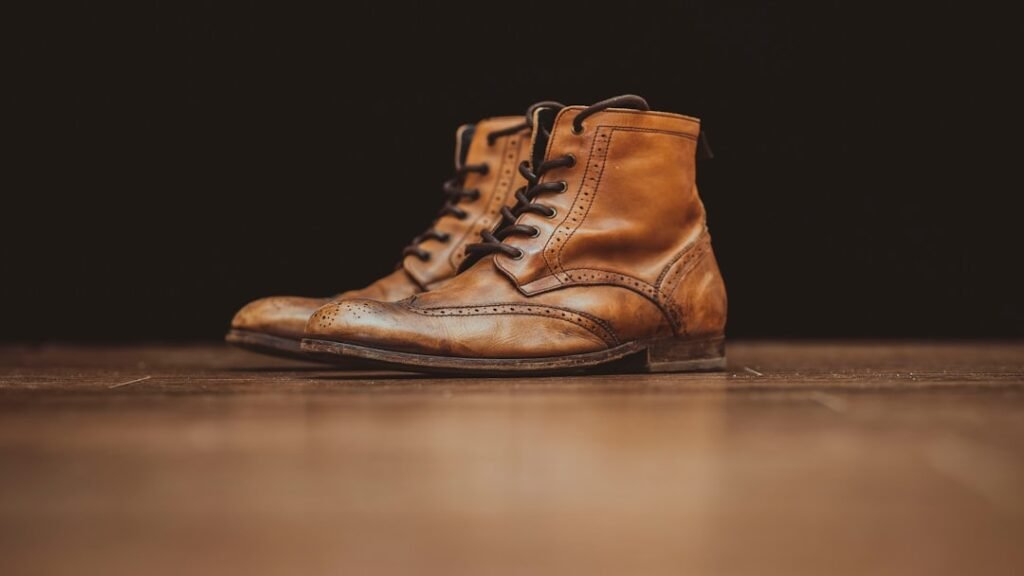
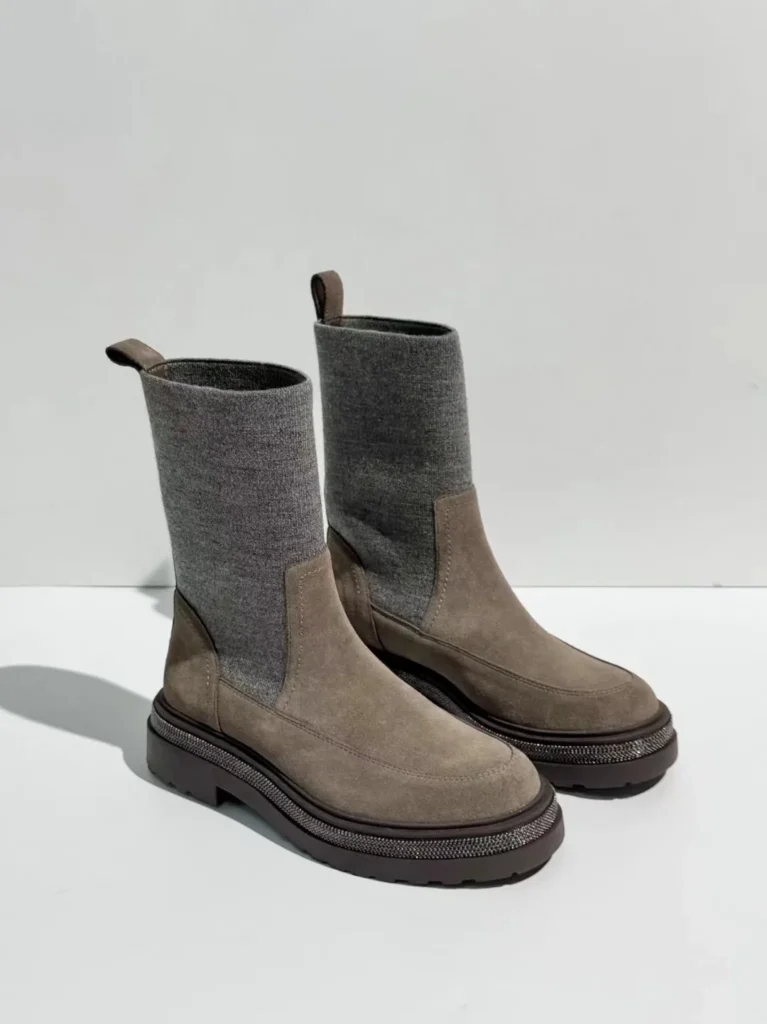
Best shoes for NZ winter 2026 — choosing the right footwear for New Zealand’s cold, wet, and unpredictable winter months is about more than just staying warm. It’s about finding shoes that handle rain-soaked Wellington streets, Auckland’s grey drizzle, and Christchurch’s crisp mornings while still looking intentional and polished. The good news: genuine leather footwear does all of this better than synthetic alternatives, and 2026 brings some excellent options that balance practicality with style.
This guide covers the best shoe types for NZ winter, why leather quality matters in our climate, and how to build a winter footwear rotation that keeps you warm, dry, and looking sharp all season long.
Why Leather Shoes Work Best for NZ Winter
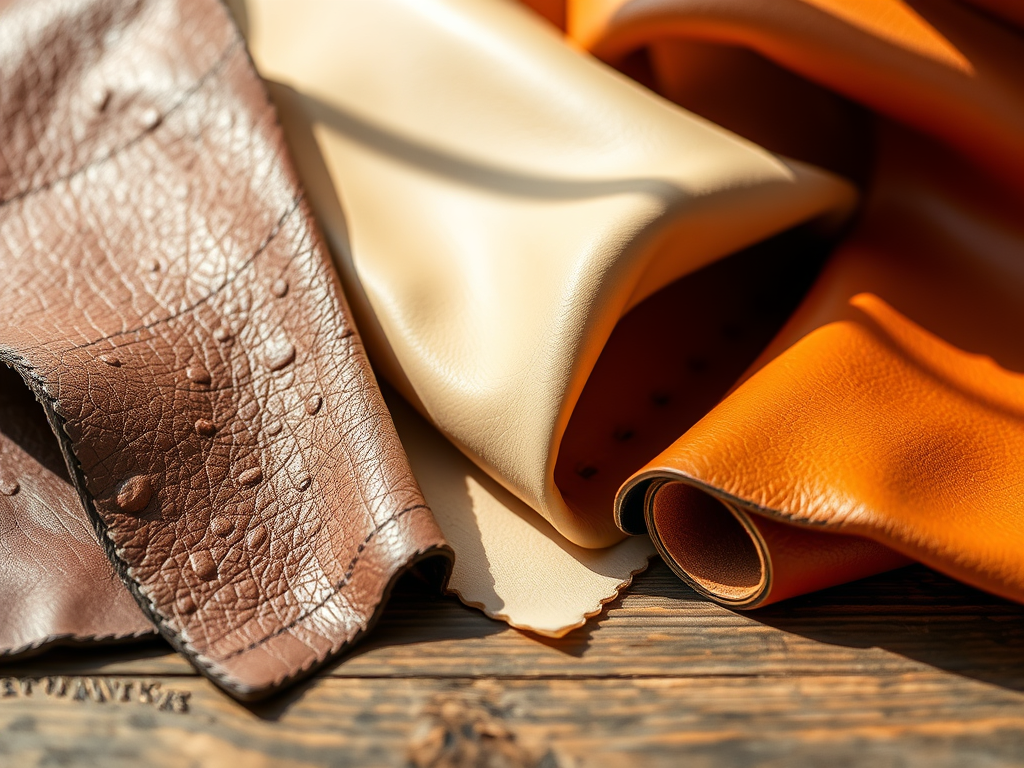
Synthetic shoes dominate the market because they’re cheap to produce, but they fall short in the conditions that define a New Zealand winter. Here’s why genuine leather footwear excels:
- Breathes while resisting moisture — leather naturally wicks away internal moisture (sweat) while repelling external moisture (rain) when properly treated. Synthetic materials trap moisture inside, creating cold, clammy feet.
- Regulates temperature naturally — leather keeps feet warm in cold without overheating. Synthetic shoes either leave you freezing or sweating — rarely in between.
- Ages gracefully through wet-dry cycles — a New Zealand winter means constant wet-then-dry cycles. Quality leather develops character; cheap synthetics crack and peel.
- Can be reconditioned and resoled — leather shoes can be restored, waterproofed, and resoled for decades. Synthetic shoes are disposable.
The Best Shoe Types for NZ Winter 2026
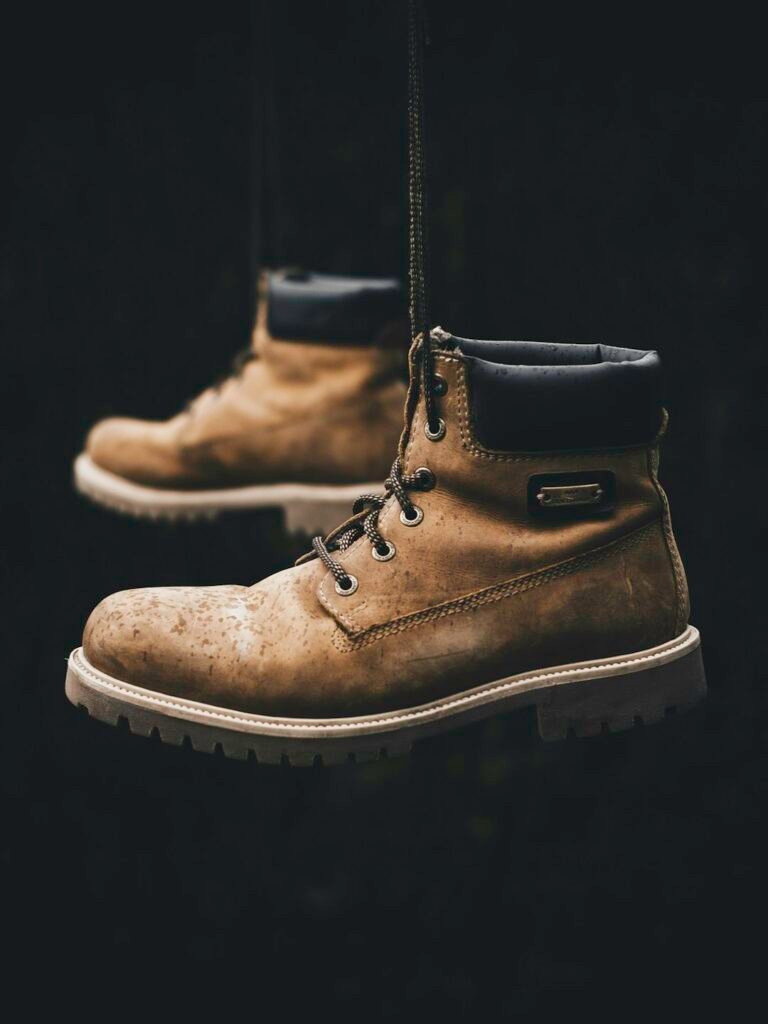
Boots are the obvious choice (covered in our best leather boots NZ 2026 guide), but they’re not the only answer. Here’s what else works.
1. Leather loafers — for office and smart-casual wear
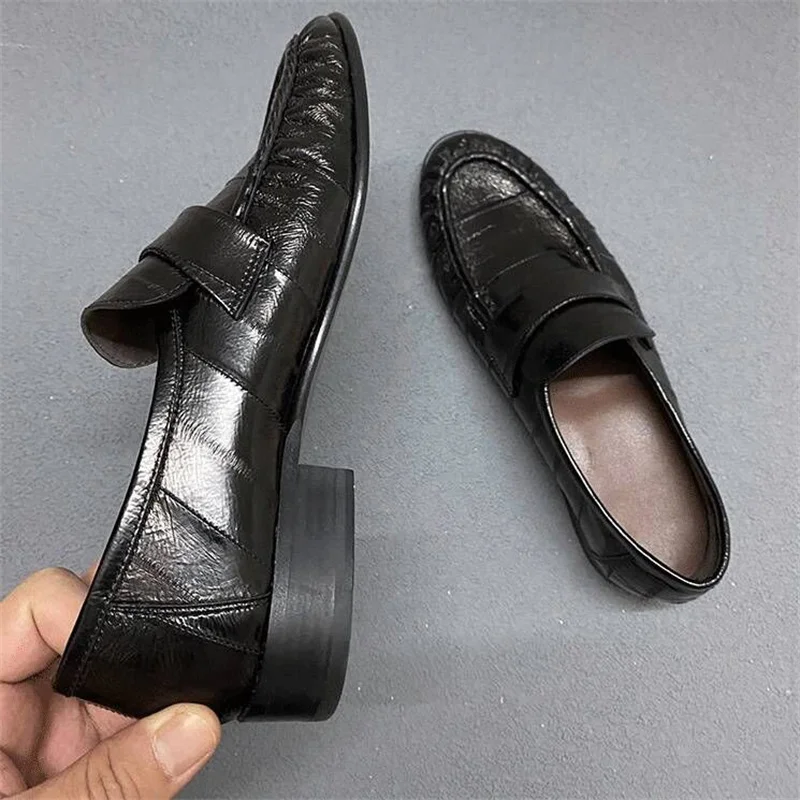
Loafers might seem like a warm-weather shoe, but leather loafers work beautifully in NZ winter for indoor-focused days — office work, meetings, events. Pair them with wool trousers, thick socks, and a long coat for the commute.
Why they work: Easy slip-on convenience (crucial for NZ shoe-off culture), professional enough for business settings, and surprisingly warm when paired with quality socks.
Best in: Brown or black full-grain leather. Our Genuine Leather Slip-On Loafers are ideal for this use case.
2. Derby shoes and Oxfords — bridging formal and casual
Lace-up leather shoes (Derby, Oxford, Blucher styles) are the workhorses of a winter wardrobe. They’re dressy enough for suits, casual enough for jeans, and robust enough for daily commuting in Auckland or Wellington rain.
Why they work: Lace-up construction lets you cinch them tight for warmth and support. The closed lacing keeps more water out than loafers. They look intentional with almost any outfit.
Best in: Brown smooth leather or suede. Our Handmade Cowhide Derby Shoes handle NZ winters exceptionally well.
3. Leather sneakers — for everyday comfort
Not all sneakers are created equal. Canvas and mesh sneakers are useless in NZ winter. But leather sneakers — particularly those made from full-grain cowhide or horsehide — offer the comfort of trainers with the weather resistance and style of proper shoes.
Why they work: More comfortable for all-day wear than rigid dress shoes. The leather upper handles light rain far better than fabric. They pair effortlessly with jeans, chinos, and casual trousers.
Best in: White, tan, or brown leather. Our Vintage Distressed Horsehide Sneakers and Handmade Horsehide Leather Pumps are built for year-round NZ wear.
4. Clogs and mules — the unexpected winter shoe
As covered in our clogs and mules styling guide, closed-toe leather clogs work surprisingly well in NZ winter when paired with thick socks or tights. They’re not for trudging through puddles, but for dry days and indoor-focused activities, they’re comfortable and stylish.
Why they work: Easy on/off (essential in NZ homes), surprisingly warm with the right socks, and they add a relaxed, modern edge to winter outfits.
Best in: Brown, tan, or black leather with a closed toe.
What to Look For in Winter Shoes NZ
Not all leather shoes are winter-ready. Here’s what makes the difference between shoes that handle NZ winter and shoes that fail within weeks.
1. Genuine full-grain leather (not “genuine leather”)
The term “genuine leather” is misleading — it’s actually a low-grade leather product. Look for full-grain leather (the best) or top-grain leather (second best). Both handle moisture, breathe properly, and age well. Avoid bonded leather, PU leather, and synthetic materials entirely for winter footwear.
2. Waterproofing (factory-applied or DIY)
Leather isn’t naturally waterproof. For NZ winter, you need shoes that have been treated with a water-resistant finish or that you can treat yourself with waterproofing wax or spray. Untreated leather will absorb rain, dry unevenly, and crack over time.
Apply waterproofing treatment before first wear and reapply every 4–6 weeks during winter. This single step extends shoe life by years.
3. Sole grip for wet pavements
Smooth leather soles are traditional and elegant, but they’re dangerous on wet NZ pavements. Look for rubber soles, commando soles, or crepe soles that provide traction. If you buy shoes with leather soles, take them to a cobbler immediately to add a rubber topy layer.
Wellington’s steep hills and Auckland’s slick footpaths demand grip — don’t compromise on this.
4. Moderate insulation (not extreme)
New Zealand winter isn’t Arctic. You don’t need heavily insulated snow boots. In fact, over-insulated shoes will make your feet sweat indoors (most NZ buildings are heated), which then makes them cold when you step back outside.
Look for shoes with moderate natural insulation from the leather itself, plus the option to add thicker socks on colder days.
5. Quality construction that lasts
Stitched construction (Goodyear welt, Blake stitch) means shoes can be resoled. Glued construction means they’re disposable. For winter shoes you’ll wear heavily, invest in construction quality that allows for repair and maintenance.
Building Your NZ Winter Shoe Rotation
You don’t need a dozen pairs of shoes. Most New Zealanders can handle winter with 3–4 versatile pairs rotated strategically.
| Shoe Type | Use Case | Weather Suitability |
|---|---|---|
| Chelsea or Derby boots | Daily commute, office, casual weekends | Rain, cold, wind — all conditions |
| Leather loafers | Indoor-focused days, meetings, events | Dry days, short outdoor exposure |
| Leather sneakers | Weekend errands, casual wear, long walks | Light rain, cold, comfortable all-day |
| Work boots (optional) | Heavy rain, outdoor work, rugged conditions | All weather, maximum protection |
Rotate between pairs daily — never wear the same leather shoes two days in a row. Leather needs 24 hours to dry and recover between wears, especially in winter when moisture exposure is constant.
How to Style Winter Shoes in NZ 2026
Winter footwear anchors your outfit. Here’s how to make it work.
Smart-casual (office, meetings)
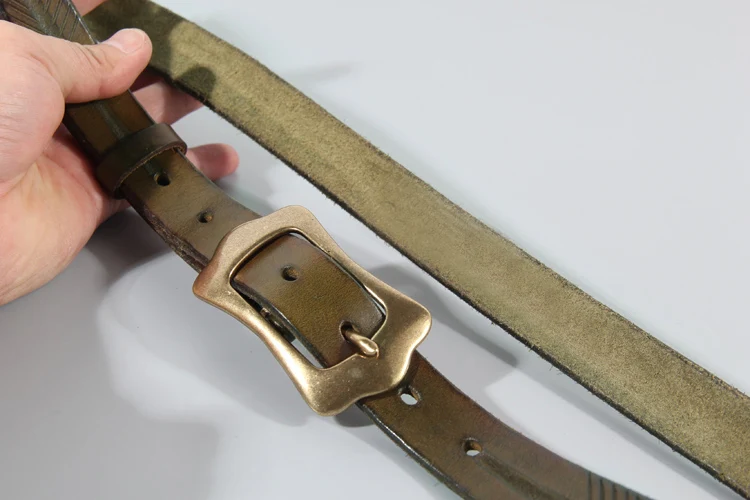
Brown leather Derby shoes or Chelsea boots with tailored wool trousers, a long-sleeve shirt or knit, and a structured coat. Add a matching leather belt for polish.
Casual weekend (errands, cafes)
Leather sneakers or loafers with straight-leg jeans, an oversized jumper, and a denim or wool jacket. Keep it relaxed but intentional.
Layered for warmth
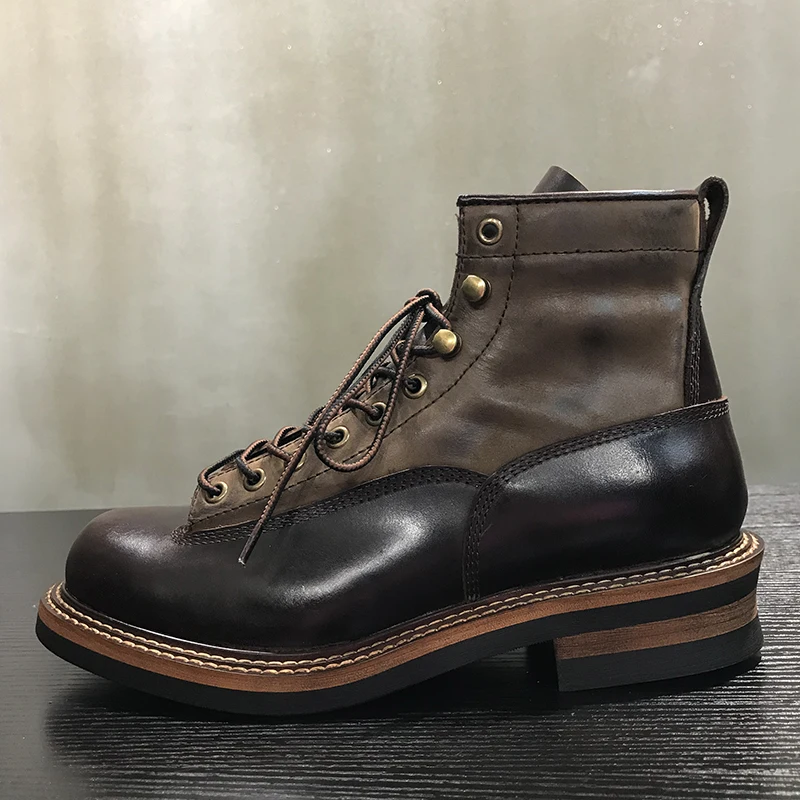
Chunky boots (work boots, riding boots) with wide-leg trousers or jeans, thick ribbed socks visible at the ankle, oversized wool coat, scarf, and beanie. The boots ground the volume of winter layers.
Common Winter Shoe Mistakes in NZ
1. Wearing canvas or mesh sneakers
Canvas Converse, mesh running shoes, and fabric trainers are miserable in NZ winter. They absorb water instantly, take forever to dry, and offer zero insulation. Save them for summer.
2. Not waterproofing leather shoes
Even quality leather shoes need waterproofing treatment in NZ. Skipping this step means your shoes will absorb rain, develop water stains, and deteriorate faster. Waterproofing takes 10 minutes and extends shoe life by years.
3. Wearing the same pair every day
Leather needs time to dry between wears. Wearing the same shoes daily in winter means they never fully dry, which leads to odour, leather degradation, and reduced lifespan. Rotate between at least two pairs.
4. Choosing fashion over function
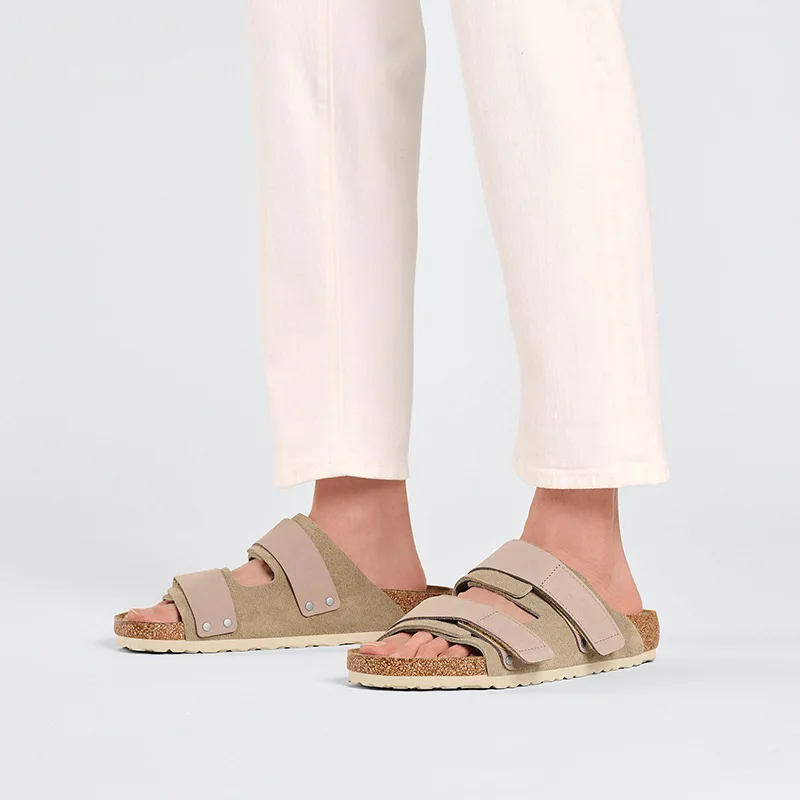
Open-toe shoes, thin-soled ballet flats, and delicate sandals don’t belong in a NZ winter wardrobe. Prioritise closed-toe, weather-resistant footwear with adequate sole thickness and grip.
Caring for Winter Shoes — Keep Them Looking Great
Winter is the hardest season on footwear. Proper care makes the difference between shoes that last one winter and shoes that last ten.
- Brush off dirt after every wear — don’t let mud or salt sit on leather overnight.
- Dry properly when wet — stuff shoes with newspaper, let them air-dry at room temperature. Never use direct heat.
- Condition monthly — NZ winter strips leather of its natural oils. Monthly conditioning keeps leather supple.
- Reapply waterproofing — every 4–6 weeks during winter, or whenever you notice water no longer beading on the surface.
- Use cedar shoe trees — they absorb moisture, neutralise odour, and maintain shoe shape.
- Check soles regularly — worn-down soles reduce grip and let water in. Resole before it’s too late.
A full leather care routine is covered in our complete leather shoe care guide.
Where to Buy Quality Winter Shoes in NZ
Quality leather footwear is an investment, but it’s one that pays off over years (even decades) of wear. Cheap synthetic shoes might save you money upfront, but replacing them every season costs far more in the long run.
At UnityPureMax, our complete footwear collection is designed for New Zealand conditions. From leather boots to loafers, leather sneakers to clogs, every pair is made from genuine full-grain or top-grain leather, built to be resoled, and designed to improve with age.
Browse the full collection and find footwear that handles everything a New Zealand winter demands — warmth, weather resistance, durability, and style that lasts for years.