🎉 Free Shipping on Orders Over $100 | ✨ New Arrivals Just Added


Goodyear Welt Construction vs Cemented Sole: What Actually Lasts Longer

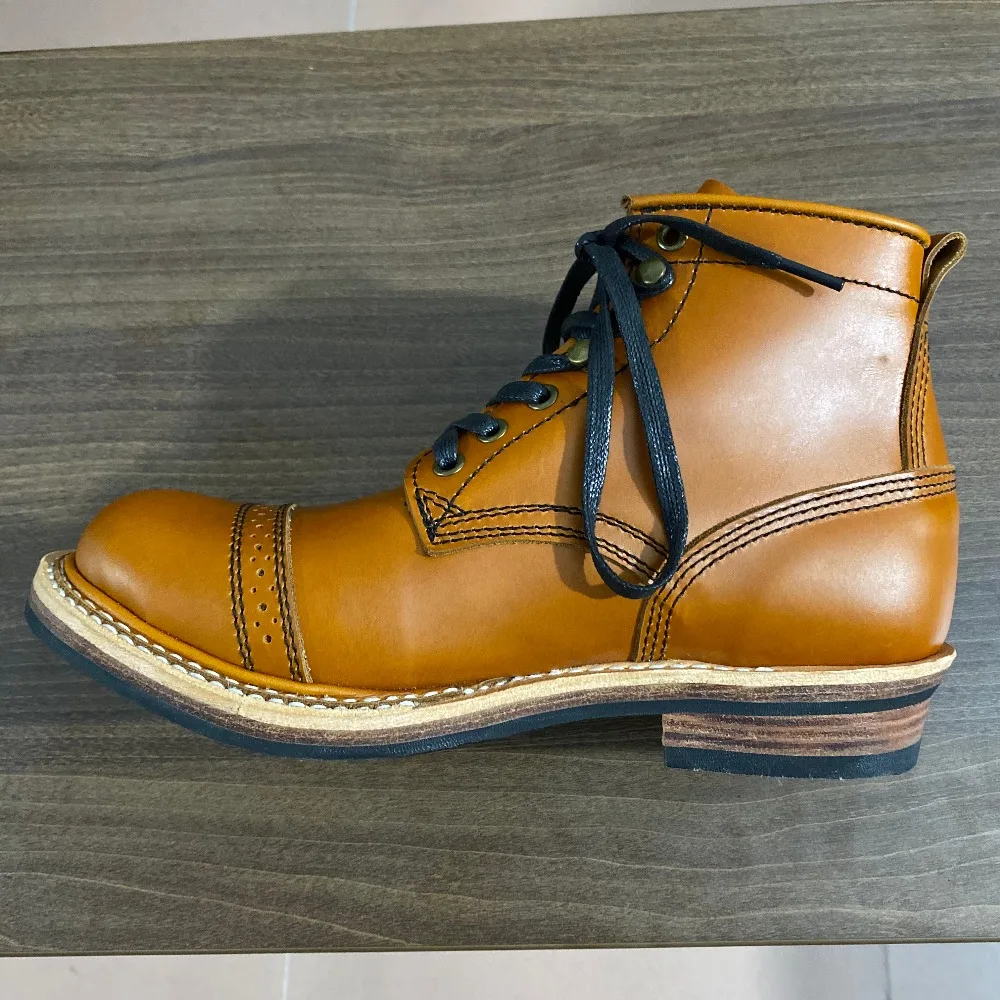
Goodyear welt construction vs cemented sole is one of the most consequential decisions in how a leather shoe or boot is built — and one most shoppers never learn to evaluate before buying. The difference isn’t cosmetic. It determines whether a pair of boots can be resoled and worn for a decade, or whether it gets thrown away the moment the sole wears through. At UNITYPUREMAX™, every pair we build uses true Goodyear welt construction, and this guide explains exactly why that distinction matters more than most marketing copy lets on.
What Is a Goodyear Welt?
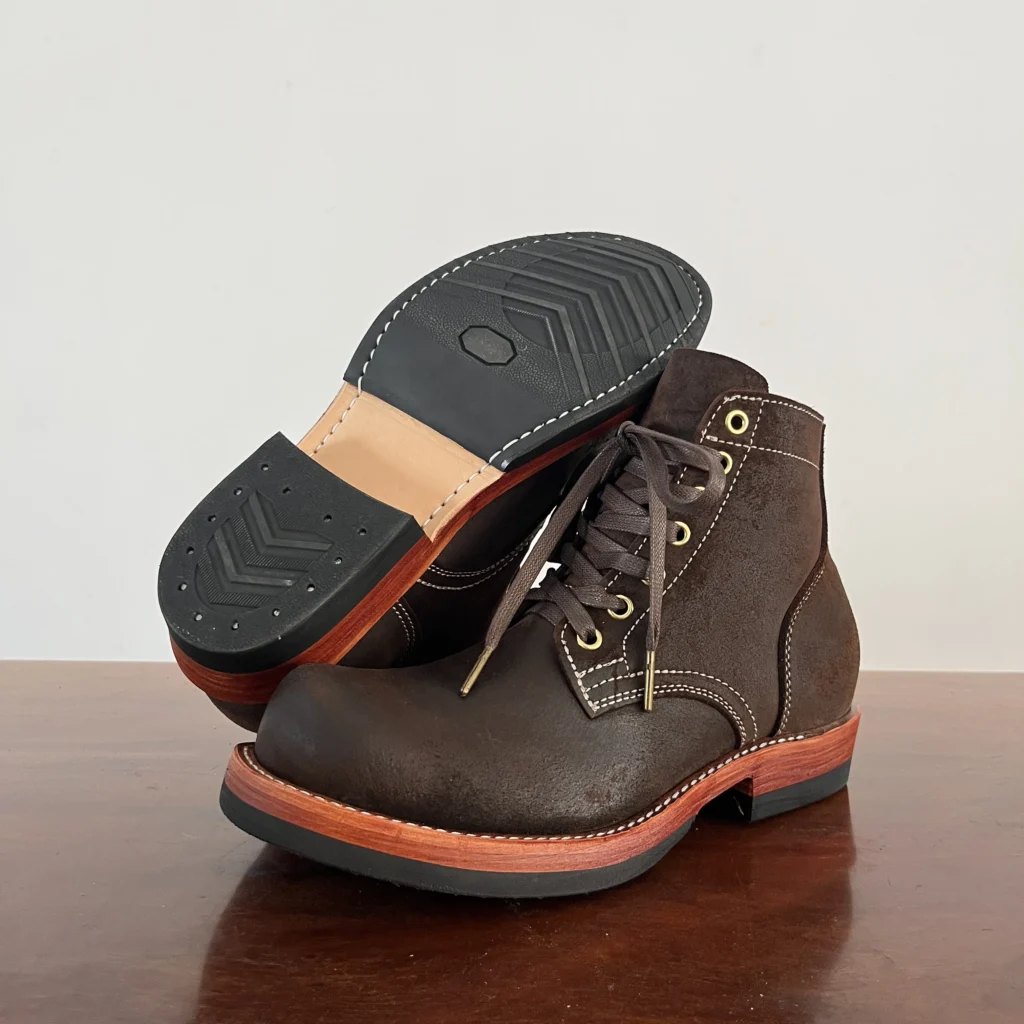
A Goodyear welt is a strip of leather stitched around the perimeter of a shoe or boot, joining the upper, the insole, and the welt itself in a single seam. The outsole is then attached to that welt with a separate stitch line. This two-seam structure is what allows a boot to be resoled — when the outsole eventually wears through, a cobbler removes only the outer stitching and replaces the sole, without ever disturbing the upper or the original welt seam.
The construction takes its name from the Goodyear welt machine, patented in the 1870s, which made this stitching process viable at commercial scale — though the hand-sewn technique it’s based on predates the machine itself. Today, “Goodyear welt” refers to both machine-stitched and genuinely hand-stitched versions of this same construction method, which is why checking specifically whether a maker hand-stitches the welt (rather than just using the term generally) matters if hand-construction is part of what you’re looking for.
In short: a Goodyear welt is what makes a boot resoleable rather than disposable, and it’s the single biggest factor separating boots built to last a decade or more from boots built to be replaced every year or two.
How Goodyear Welt Construction Works
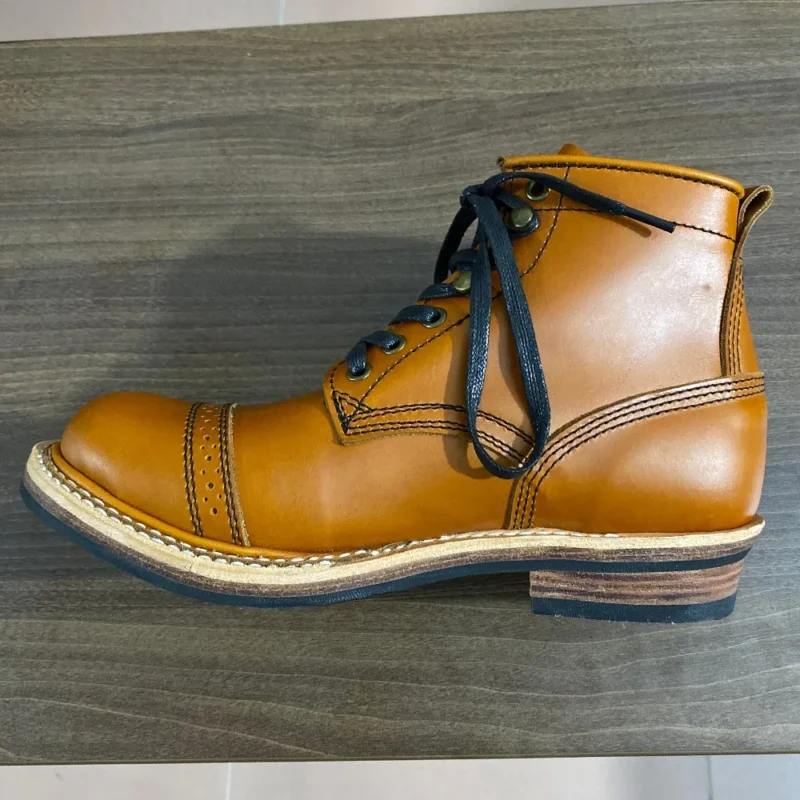
Goodyear welt construction gets its name from the machine invented in the 1870s that made the process commercially viable at scale, though the technique itself has hand-sewn origins that predate the machine. The process stitches a welt — a narrow strip of leather — around the perimeter of the boot, joining the upper, a leather insole, and the welt itself in a single seam visible around the edge of the sole. The outsole is then stitched (or in some cases cemented, in lower-quality “welted” boots, which is worth checking for) to that welt in a separate seam.
This two-seam structure is what makes resoling possible. When the outsole eventually wears through, a cobbler removes only the outsole-to-welt stitching, replaces the outsole, and restitches — the upper and the welt-to-upper seam are never touched. A well-maintained Goodyear welted boot can go through multiple resoling cycles over 15-20+ years without the upper ever needing replacement.
The construction also creates a small air gap between the insole and outsole, which acts as natural insulation and shock absorption — a practical benefit beyond just repairability.
How Cemented Construction Works
Cemented (or “cement,” “glued,” or “direct-attach”) construction bonds the outsole to the upper using industrial adhesive, with no stitching involved in that bond. It’s significantly faster and cheaper to produce, which is why it dominates mass-market and fast-fashion footwear.
The adhesive bond in cemented construction degrades over time regardless of how well the boot is otherwise cared for — heat, moisture, and repeated flexing all accelerate this breakdown. Once the bond fails or the outsole wears through, there’s typically no clean way to resole the boot, since there’s no welt structure for a cobbler to work from. The boot gets replaced rather than repaired.
Cemented construction isn’t inherently a sign of poor quality — many well-made dress shoes and casual shoes use it appropriately for lighter-weight designs. The issue is when cemented boots are marketed with the durability language typically reserved for welted construction, misleading buyers about how long the pair will realistically last.
Side-by-Side Comparison
Repairability. Goodyear welt: fully resoleable, often multiple times over the boot’s life. Cemented: generally not resoleable once the bond or sole fails.
Water resistance. Goodyear welt: the welt structure and stitched seam sit above the sole’s contact point with ground moisture, offering better resistance. Cemented: adhesive bonds can be compromised by sustained moisture exposure, and there’s no stitch line to reinforce the seal.
Flexibility and break-in. Goodyear welt: stiffer initially, typically requiring one to two weeks of break-in before the boot fully conforms to the foot. Cemented: generally more flexible out of the box, requiring less break-in time.
Weight. Goodyear welt: heavier, due to the additional welt, insole, and stitching layers. Cemented: lighter, since the construction uses fewer material layers.
Cost. Goodyear welt: higher upfront cost due to labor-intensive hand and machine stitching. Cemented: lower upfront cost, reflecting faster production.
Total cost of ownership. Goodyear welt: often lower over a 10+ year period, since a single pair can be resoled repeatedly rather than replaced. Cemented: often higher over the same period, since each pair typically needs full replacement every one to three years of regular wear.
How to Tell Which Construction a Boot Actually Uses
Product descriptions don’t always specify clearly, and “welted” is sometimes used loosely in marketing without confirming it’s genuine Goodyear welt rather than a cemented sole with a decorative welt-like stitch line. A few ways to check before buying:
Look for a visible welt — a slightly raised strip of stitched leather running around the edge of the sole where it meets the upper. Flex the boot gently; genuinely welted boots typically feel stiffer through the sole initially. Ask directly whether the maker offers a resoling service — this is one of the clearest confirmations, since resoling only makes sense to offer on genuinely welted construction. And check the price point against materials: true Goodyear welt construction requires more labor and material, so a leather boot priced like a cemented budget boot is worth scrutinizing closely.
Why We Build Exclusively on Goodyear Welt
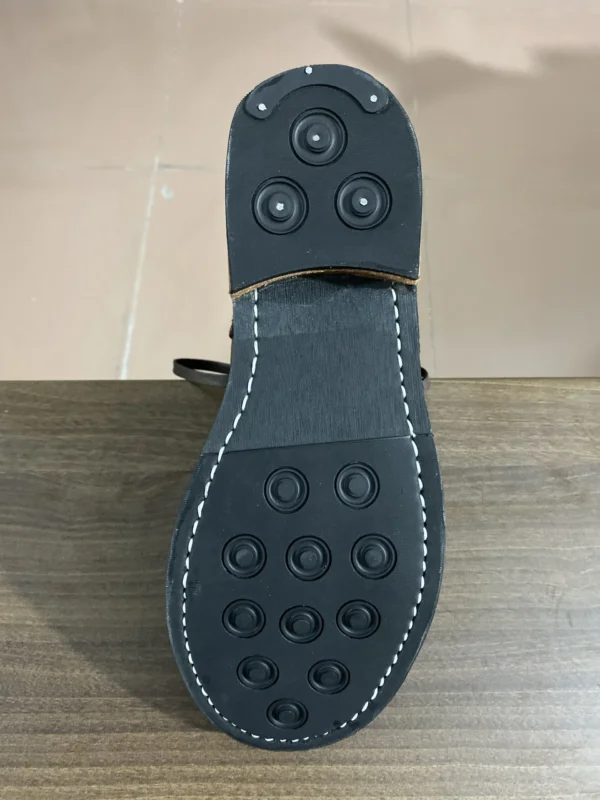
Every UNITYPUREMAX™ boot — from work boots to Chelsea boots to our tabi silhouettes — uses genuine Goodyear welt construction, hand-stitched and finished by artisans who treat the welt seam as seriously as the leather itself. We don’t offer a cemented “budget line,” because the entire premise of what we build is longevity: a boot meant to be resoled and worn for years, not replaced on a seasonal cycle. Explore the full Men’s Boots → and Men’s Work Boots → collections built on this standard.
Frequently Asked Questions
1. Which lasts longer, Goodyear welt or cemented construction? Goodyear welt, by a significant margin, primarily because it can be resoled repeatedly while cemented construction generally cannot.
2. Is Goodyear welt worth the higher price? For anyone planning to wear a pair regularly over several years, yes — the ability to resole typically makes total cost of ownership lower despite the higher upfront price.
3. How can I tell if a boot uses genuine Goodyear welt construction? Look for a visible stitched welt around the sole’s edge, check if the maker offers resoling, and be wary of welt-like stitching on boots priced at cemented-construction levels.
4. Can cemented shoes ever be resoled? Rarely, and typically only as a stopgap repair rather than a clean resole — the lack of welt structure makes proper resoling difficult.
5. Is cemented construction always lower quality? Not inherently — it’s appropriate for many lighter shoe styles. The issue is when it’s marketed with durability claims that don’t match the construction.
6. How long does a Goodyear welted boot typically last? With proper care and periodic resoling, 15-20+ years is realistic for a well-maintained pair.
7. Are Goodyear welted boots heavier than cemented boots? Yes, generally, due to the additional welt and insole layers involved in the construction.
8. Do Goodyear welted boots need more break-in time? Yes, typically one to two weeks of graduated wear versus less for cemented construction, which tends to be more flexible from the first wear.
9. Is Blake stitch construction the same as Goodyear welt? No. Blake stitch sews through the insole, upper, and outsole directly, allowing resoling but with less water resistance than Goodyear welt’s two-seam structure.
10. Does UNITYPUREMAX use Goodyear welt on all its boots? Yes, every boot in our catalog uses genuine Goodyear welt construction, hand-stitched and finished.
Built to Be Resoled, Not Replaced
Explore the Men’s Boots → collection at UNITYPUREMAX™, built entirely on true Goodyear welt construction for boots that last decades, not seasons.