🎉 Free Shipping on Orders Over $100 | ✨ New Arrivals Just Added


Exotic Leather vs. Italian Leather: Durability and Craftsmanship Compared

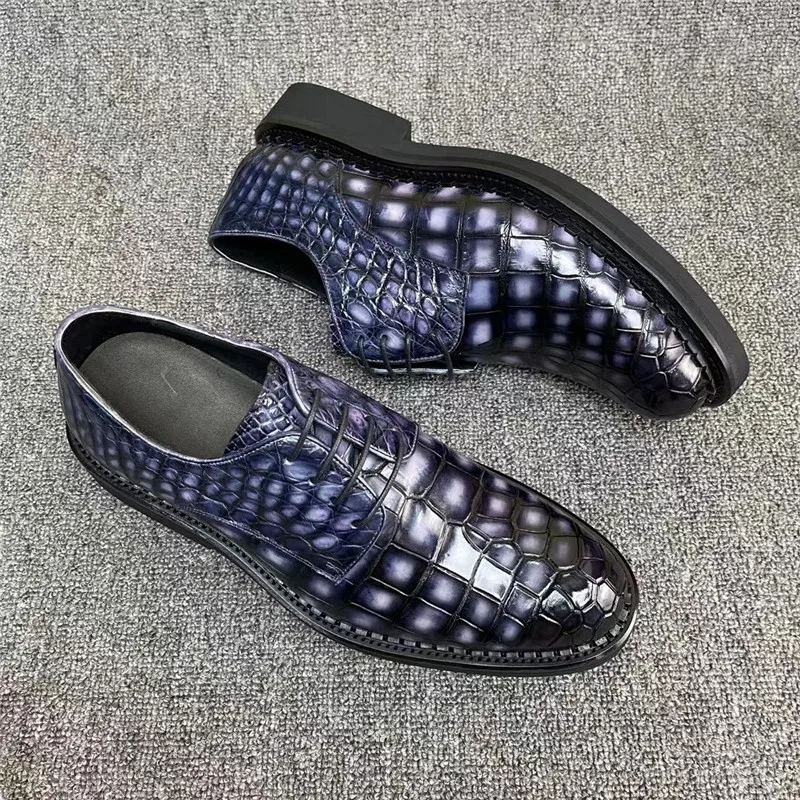
Exotic Leather vs. Italian Leather: Durability and Craftsmanship Compared
Exotic leather vs. Italian leather is a comparison most footwear guides never actually make — they cover Italian leather’s reputation for durability and quality on its own, without addressing how it stacks up against exotic hides like crocodile and ostrich, which are often tanned using the same slow, traditional methods Italian tanneries are known for. At UNITYPUREMAX™, where our catalog spans both full-grain leather and exotic hides, this is a comparison we’re positioned to make directly — not to declare a winner, but to help you understand what each material actually offers so you can judge boots by substance rather than a country-of-origin label.
What Gives Italian Leather Its Reputation
Italian leather’s reputation for durability and quality comes largely from tanning tradition, particularly the vegetable-tanning methods associated with regions like Tuscany. Vegetable tanning uses natural tannins over a slow process — sometimes weeks — that produces denser, firmer leather that develops a rich patina over years of wear rather than simply degrading. This tradition, refined over generations, is genuinely deserving of its reputation. But that reputation is about tanning method and craftsmanship standard, not something exclusive to Italian soil — the same slow, careful tanning process applied anywhere produces leather with comparable durability characteristics.
What Gives Exotic Leather Its Durability
Exotic leathers like crocodile and ostrich come from hides with naturally dense, structured fiber that differs fundamentally from cowhide, regardless of tanning method. Crocodile leather’s scute structure — the bony plates beneath each scale — creates a naturally tough, layered material that resists wear differently than any cowhide, Italian or otherwise. Ostrich leather, prized for its distinctive quill-point texture, comes from a hide that’s naturally more flexible than crocodile while still offering strong wear resistance when properly tanned. These materials aren’t simply “better tanned cowhide” — they’re structurally different hides with their own durability profile, one that traditional Italian tanning techniques never needed to address since they work primarily with cattle hide.
Head-to-Head: What Actually Differs
Source material. Italian leather craftsmanship is traditionally applied to cowhide. Exotic leather comes from naturally different animal sources — crocodile, ostrich, and others — with inherently different fiber structures.
Tanning approach. Traditional Italian vegetable tanning is slow and produces firm, patina-developing leather. Exotic leather tanning varies by material but often requires specialized techniques suited to each hide’s unique structure, such as preserving crocodile’s scute pattern or ostrich’s quill points.
Durability character. Italian-tanned cowhide develops a deepening patina and softens gradually with wear. Crocodile leather remains structurally rigid and resistant to scuffing due to its natural plate structure. Ostrich sits between the two — flexible like fine cowhide, with strong resistance concentrated around the quill points.
Rarity and cost. Well-tanned Italian leather is a premium material but relatively available at scale. Genuine exotic leathers are significantly rarer and more expensive to source, which is reflected in pricing regardless of country of tanning origin.
Care requirements. Italian-tanned full-grain leather tolerates standard leather conditioning routines well. Exotic leathers require more specialized, less frequent care — see our full Exotic Leather Care Guide → for material-specific routines that don’t apply to standard leather.
Which Should You Choose?
Neither material is categorically “more durable” — they’re differently durable, and the right choice depends on what you value. If you want leather that softens and develops a visible patina story over years of daily wear, full-grain leather tanned to a high standard (Italian or otherwise) delivers that. If you want a material that’s inherently harder-wearing in its natural state, with a bolder visual signature that few other boots on the market share, exotic leather — particularly crocodile — offers that instead. Both, built on genuine Goodyear welt construction, will outlast boots built on lesser materials or cemented construction regardless of which you choose.
Where UNITYPUREMAX™ Fits
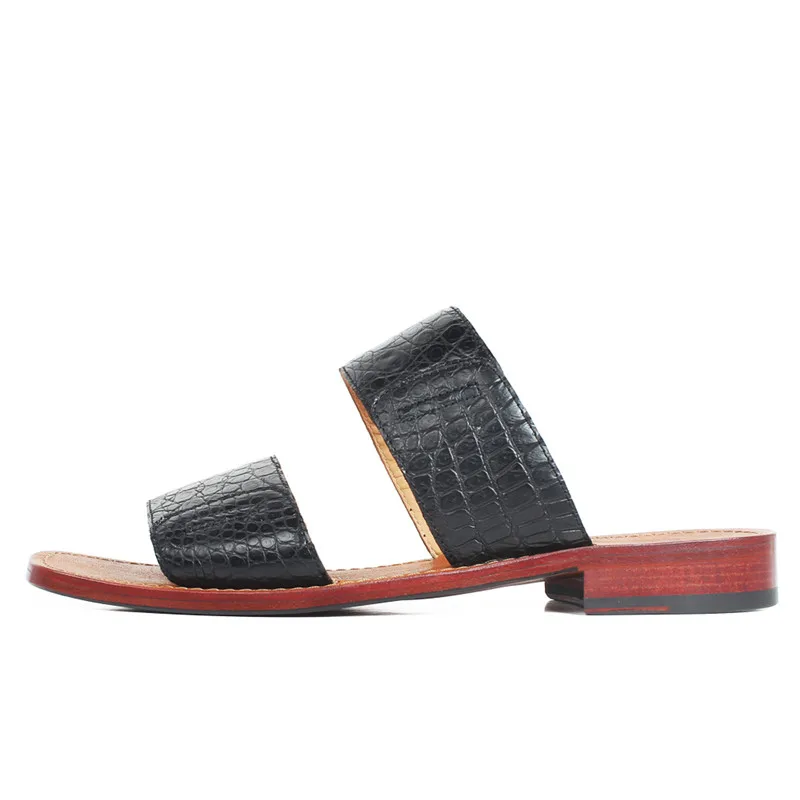
We build across both standards. Our full-grain leather boots meet the same construction and material principles that make premium Italian leather boots durable — without claiming an Italian heritage we don’t have, since we’re handcrafted in Torrance, California. Our exotic leather lines — crocodile, ostrich, and hair-on — extend that same Goodyear welt standard into materials that most leather boot makers, Italian tradition or not, never work with at all. See both standards side by side in Men’s Boots → and our exotic leather Men’s Tabi Boots → collection.
Frequently Asked Questions
1. Is exotic leather more durable than Italian leather? They’re differently durable rather than one being categorically better — exotic hides like crocodile have naturally dense structure, while well-tanned Italian leather develops durability through slow vegetable tanning and softens with wear.
2. What makes Italian leather high quality? Primarily the tanning tradition, especially vegetable tanning methods refined over generations in regions like Tuscany, producing firm leather that ages into a patina.
3. Can crocodile or ostrich leather be tanned using Italian methods? The specific vegetable-tanning tradition is typically applied to cowhide, but exotic hides require their own specialized tanning approaches suited to their unique structure.
4. Does exotic leather need different care than Italian leather? Yes, significantly. Exotic leathers require more specialized, less frequent conditioning than standard full-grain leather — see our exotic leather care guide for specifics.
5. Is UNITYPUREMAX leather Italian? No. We’re handcrafted in Torrance, California, using full-grain and exotic leathers built to the same construction and quality standards associated with premium Italian leather.
6. Why is exotic leather more expensive than standard Italian leather? Exotic hides are significantly rarer to source than cowhide, and require more specialized handling during tanning and construction, regardless of tanning origin.
7. Does crocodile leather develop a patina like Italian leather does? Not in the same way — crocodile’s scute structure ages differently, generally maintaining its texture and structure rather than softening the way vegetable-tanned cowhide does.
8. Which lasts longer, a well-made crocodile boot or a well-made Italian leather boot? Both can last 15+ years when built on genuine Goodyear welt construction — the deciding factor is construction quality more than material choice between the two.
9. Is ostrich leather more durable than standard full-grain leather? Ostrich offers strong durability, particularly around its quill points, though it requires more careful handling than standard full-grain cowhide during both construction and everyday care.
10. Should I choose exotic leather or full-grain leather boots? It depends on preference — full-grain for a developing patina and classic character, exotic leather for a bolder, structurally distinct material few other boots offer.
Choose the Standard, Not Just the Label
Explore Men’s Boots → and the exotic leather collection at UNITYPUREMAX™ — full-grain and exotic leather, both built on true Goodyear welt construction, handcrafted in California.