🎉 Free Shipping on Orders Over $100 | ✨ New Arrivals Just Added


Are Handmade Leather Shoes Worth It 2026 | Complete Buyer Guide

Why Handmade Leather Shoes Are Worth It in 2026 (Complete Buyer Guide)
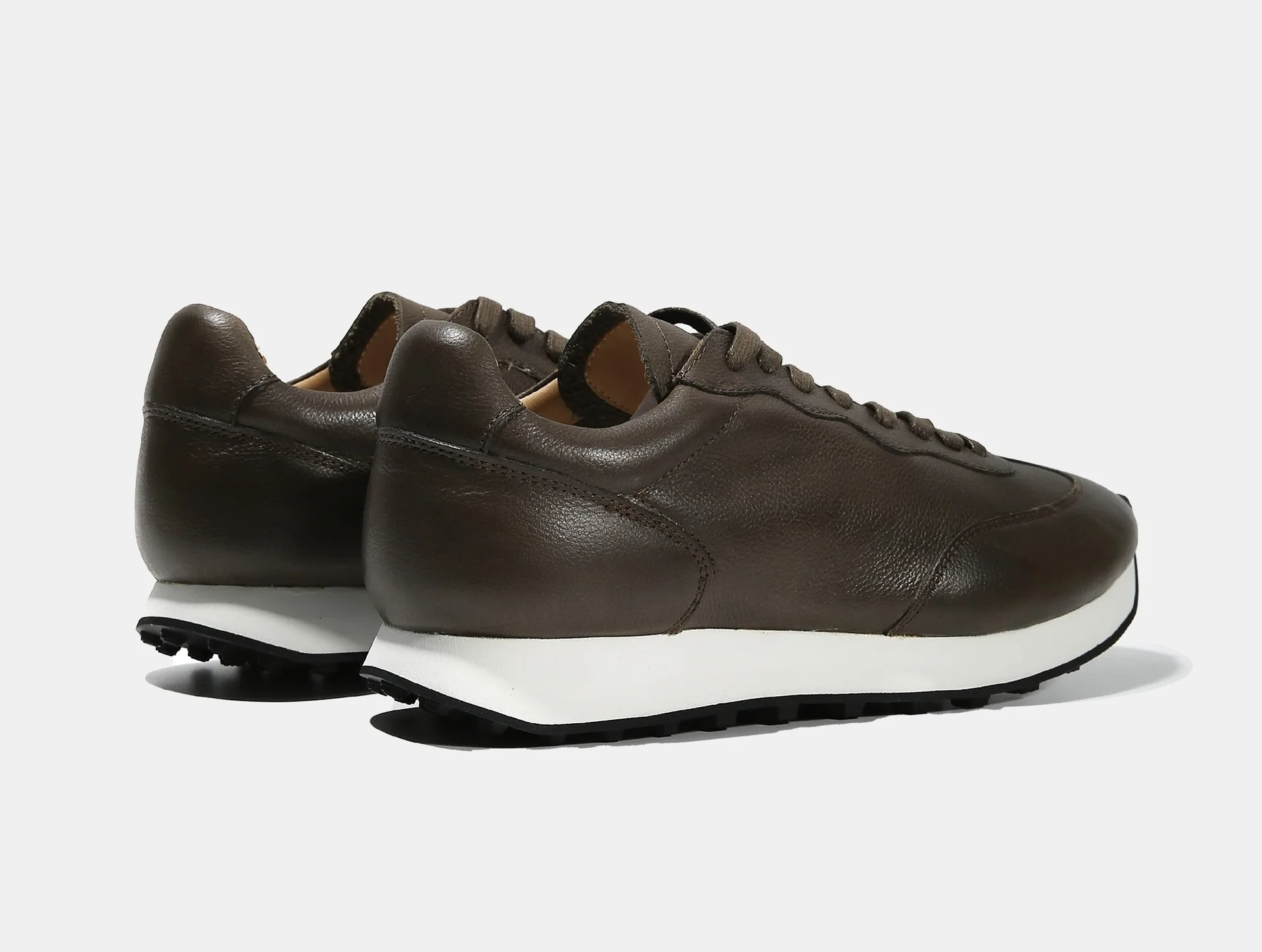
The question is no longer whether leather shoes are better—it’s whether Handmade Leather Shoes Worth It justify the investment in a market full of cheaper, mass-produced alternatives.
In 2026, the answer is increasingly clear: craftsmanship, material integrity, and long-term wear are driving smarter buying decisions.
This guide breaks down exactly what you’re paying for—and why it matters.
1. Material Quality: Not All Leather Is Equal
The biggest difference between handmade and factory-made shoes starts with the leather itself.
Mass-produced shoes often use:
- Corrected leather
- Synthetic-coated surfaces
- Lower durability hides
Handmade footwear prioritizes:
- Full-grain or top-grain leather
- Natural finishes that age over time
- Higher breathability and flexibility
For example, vegetable-tanned leather—used in designs like the
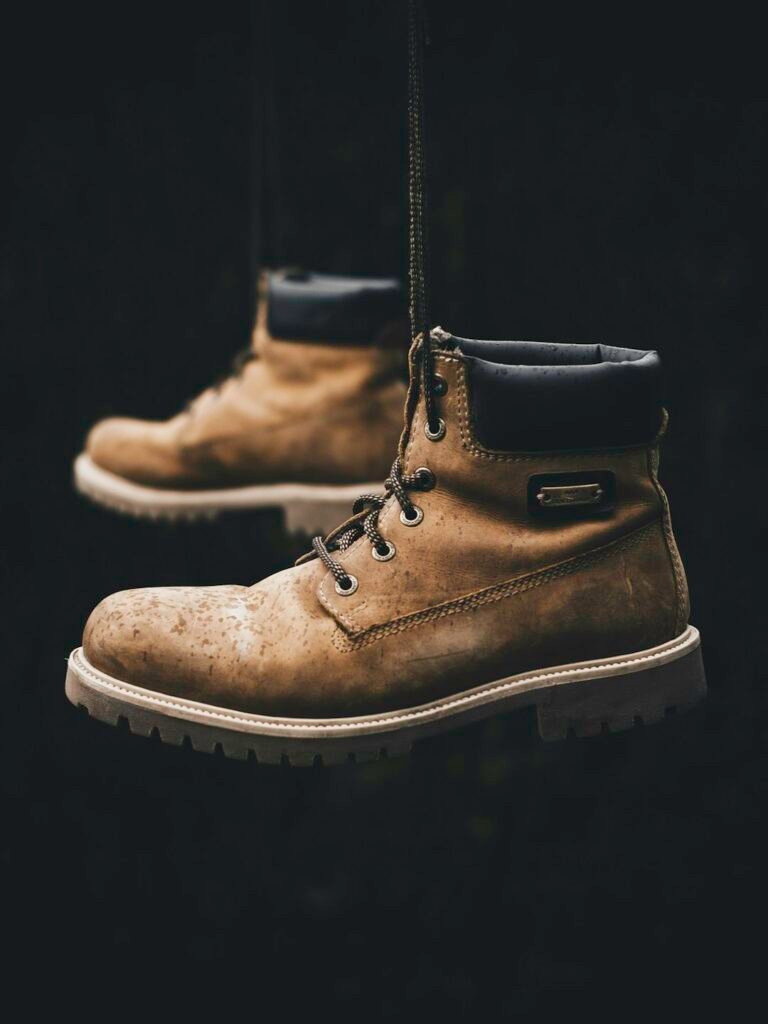
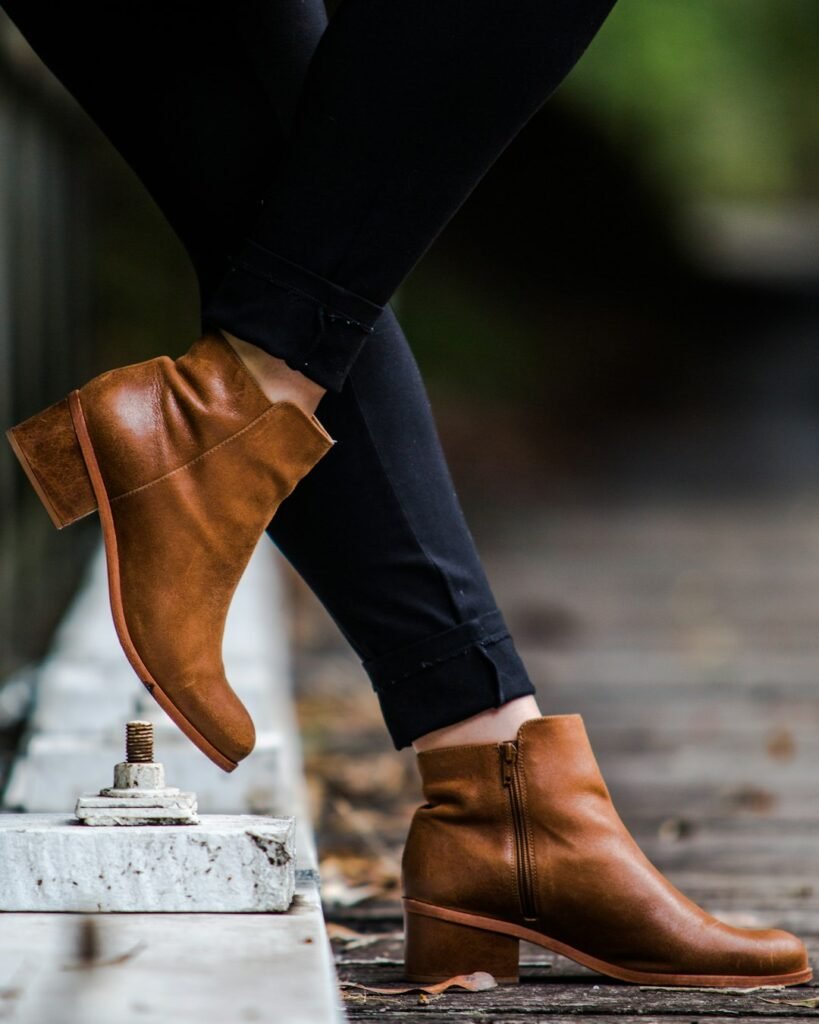
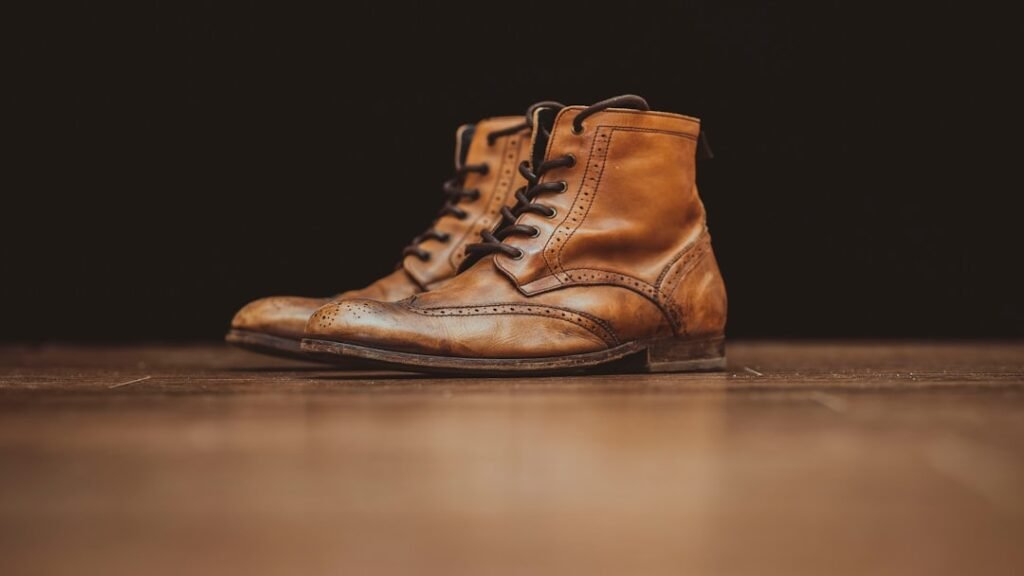
UNITYPUREMAX™ Precision Stitch Vegetable-Tanned Leather Riding Boots—develops a rich patina, meaning the boots improve visually with wear instead of degrading.
What this means for you:
You’re not just buying shoes—you’re buying material that evolves.
2. Construction Method: Built vs Assembled
Most mass-market shoes are glued. Handmade shoes are built.
Key differences:
- Glued shoes → faster production, shorter lifespan
- Handcrafted shoes → stitched construction, repairable, more durable
Construction determines whether your shoes last months or years.
Boots with reinforced builds—like the
UNITYPUREMAX™ Genuine Leather High-Top Work Boots—are designed for repeated wear, not disposal.
What this means for you:
You replace cheap shoes multiple times. A well-built pair reduces that cycle.
3. Comfort That Improves Over Time
Synthetic shoes feel comfortable at first—but degrade quickly.
Leather behaves differently:
- Molds to your foot shape
- Improves flexibility with wear
- Maintains structural support longer
This is especially noticeable in structured boots and high-tops, where proper break-in leads to a personalized fit.
Even rugged designs—like the
UNITYPUREMAX™ Amekaji High-Top Leather Work Boots—become significantly more comfortable after initial wear due to natural leather adaptation.
What this means for you:
Short-term comfort vs long-term fit—handmade leather wins over time.
4. Cost Per Wear: The Real Value Metric
A common mistake is judging shoes by upfront price.
A better metric: cost per wear
Example:
- $80 synthetic shoes lasting 4 months
- $220 handmade leather shoes lasting 2–3 years
The second option is significantly cheaper over time.
Durable, everyday designs—like the
UNITYPUREMAX™ Washed Shell Cordovan Low-Top Casual Shoes—are built for repeated use, making them ideal for lowering cost per wear.
What this means for you:
Higher upfront cost, lower long-term expense.
5. Aesthetic Longevity vs Trend Dependency
Fast fashion relies on trends. Handmade leather relies on timeless design.
Key differences:
- Trend-driven shoes look outdated quickly
- Minimal leather designs remain relevant for years
Retro and heritage styles—especially those rooted in workwear or Amekaji influence—are designed to age well both structurally and visually.
What this means for you:
You don’t need to replace your style every season.
6. Sustainability Through Longevity
Handmade leather footwear is not “fast sustainable”—it’s slow durability.
Instead of:
- Buying frequently
- Discarding worn-out shoes
You:
- Invest once
- Wear longer
- Replace less often
This reduces overall consumption—even without marketing it as “eco-friendly.”
What this means for you:
Fewer purchases, less waste, better value.
How to Choose the Right Handmade Leather Shoes
Use this quick framework:
1. Material
- Look for full-grain, top-grain, or vegetable-tanned leather
2. Construction
- Prefer stitched over glued
3. Use Case
- Daily wear → low-top or flexible boots
- Rugged use → structured high-top boots
4. Fit & Break-In
- Expect slight stiffness initially
- Comfort improves over time
Final Verdict
Handmade leather shoes are not about luxury for the sake of it—they’re about performance over time.
You’re paying for:
- Better materials
- Stronger construction
- Longer lifespan
- Evolving comfort
In a market saturated with disposable footwear, that difference becomes more valuable each year.
Explore Long-Term Craftsmanship
If you’re shifting toward quality-driven footwear, focus on designs that combine durability, material integrity, and timeless structure.
Explore handcrafted leather shoes from UNITYPUREMAX™—built for wear, not replacement.
Are Handmade Leather Shoes Worth It 2026 | Complete Buyer Guide
Discover why handmade leather shoes are worth the investment in 2026. Learn about durability, comfort, cost per wear, and how to choose the right pair.
handmade leather shoes worth it, full grain leather vs genuine leather, vegetable tanned leather boots, durable leather work boots, cost per wear shoes, premium leather footwear benefits, handcrafted leather shoes men, retro leather boots men, amekaji leather boots, shell cordovan shoes men, long lasting leather shoes
To properly clean and preserve your leather, follow these professional leather conservation tips.
Read our guide on Top Leather Shoe Trends 2026 | Soft Oxfords, Suede & Minimalist Styles →